
Out Here: West Jutland, April 2026
West Jutland. A tank, a whirlpool, and the thing we'd been waiting years to see.
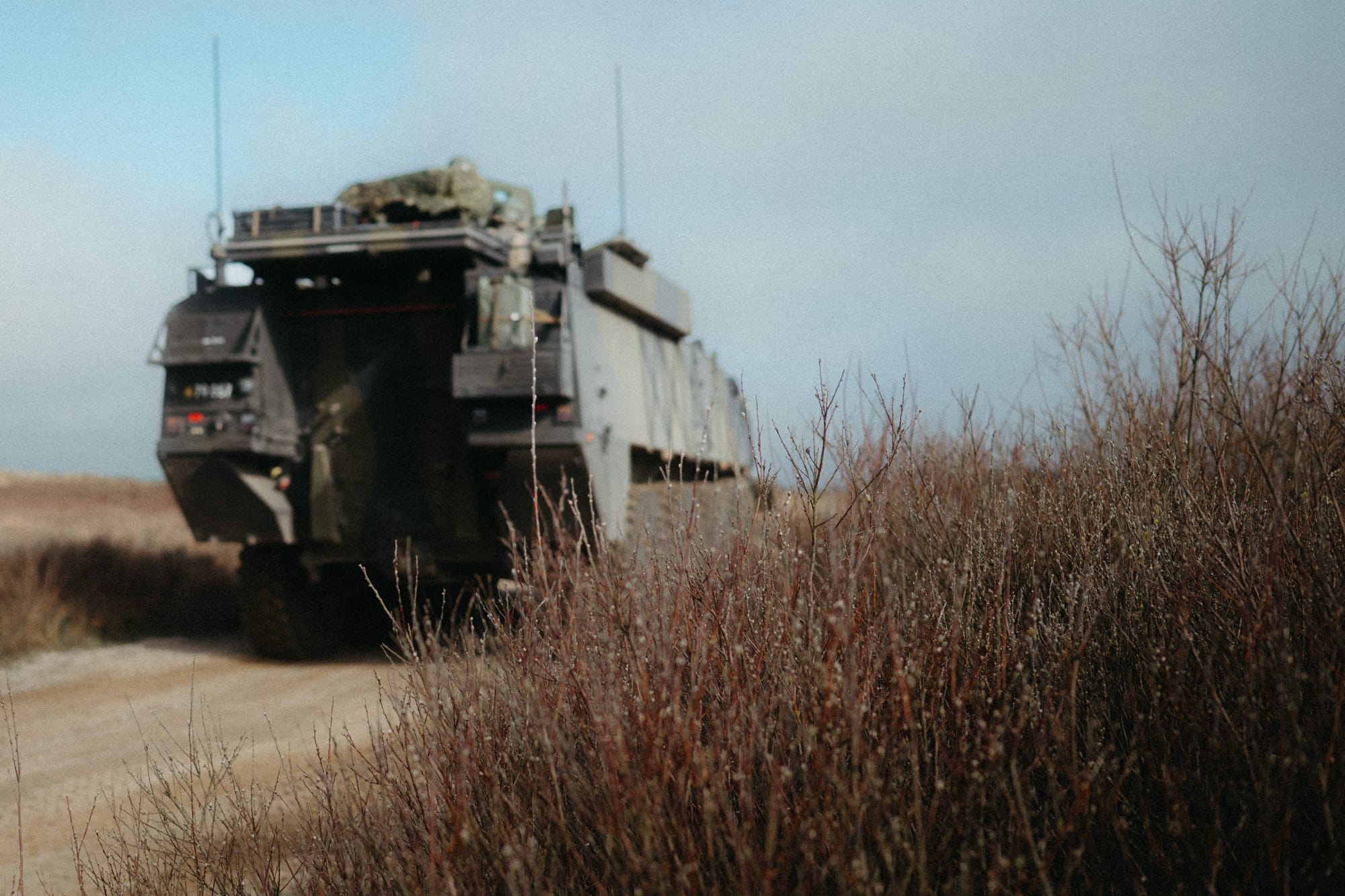
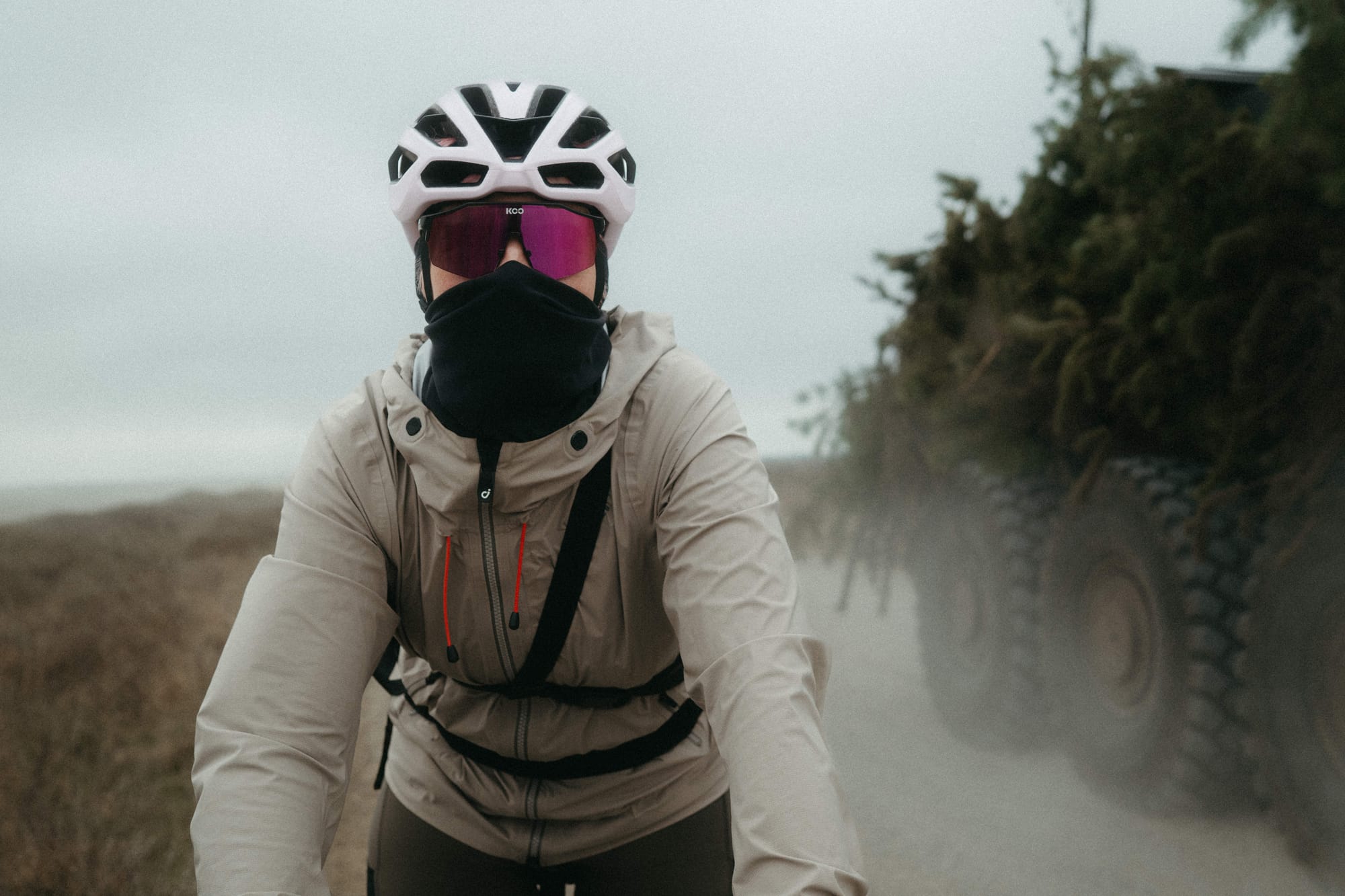
A dust cloud appeared to the right of the path, about a hundred meters out in the heathland. Then a shape. Then a tank came out of it, barrel and all, tracking parallel to the road like it had somewhere more important to be. We watched it for a few seconds. Then we kept cycling.
It was the second day on the road. We had mostly stopped being surprised by things. Getting there had already taken something out of us.
We left Hamburg on a Monday in the rain. The Altona train was empty for about thirty seconds, long enough to find a spot and settle the bikes. Then the first school group came on, then the second, then the third, suitcases bigger than the children pulling them, every group converging on the same aisle at once. The train filled fast. Getting off at the other end with two loaded bikes required a brief, unglamorous negotiation with a corridor of twelve-year-olds and their luggage. We made it. Just.
The plan from Klanxbüll was seventeen kilometers to Tønder on gravel. In a place you know, gravel means something specific. In a place you don't, gravel is a statement of intent that can mean anything from manageable to what we got: muddy, relentless, headwind the entire way. We pushed through it because there was no other option, which is both the worst and the most honest thing about cycling. There is never a car to flag down.
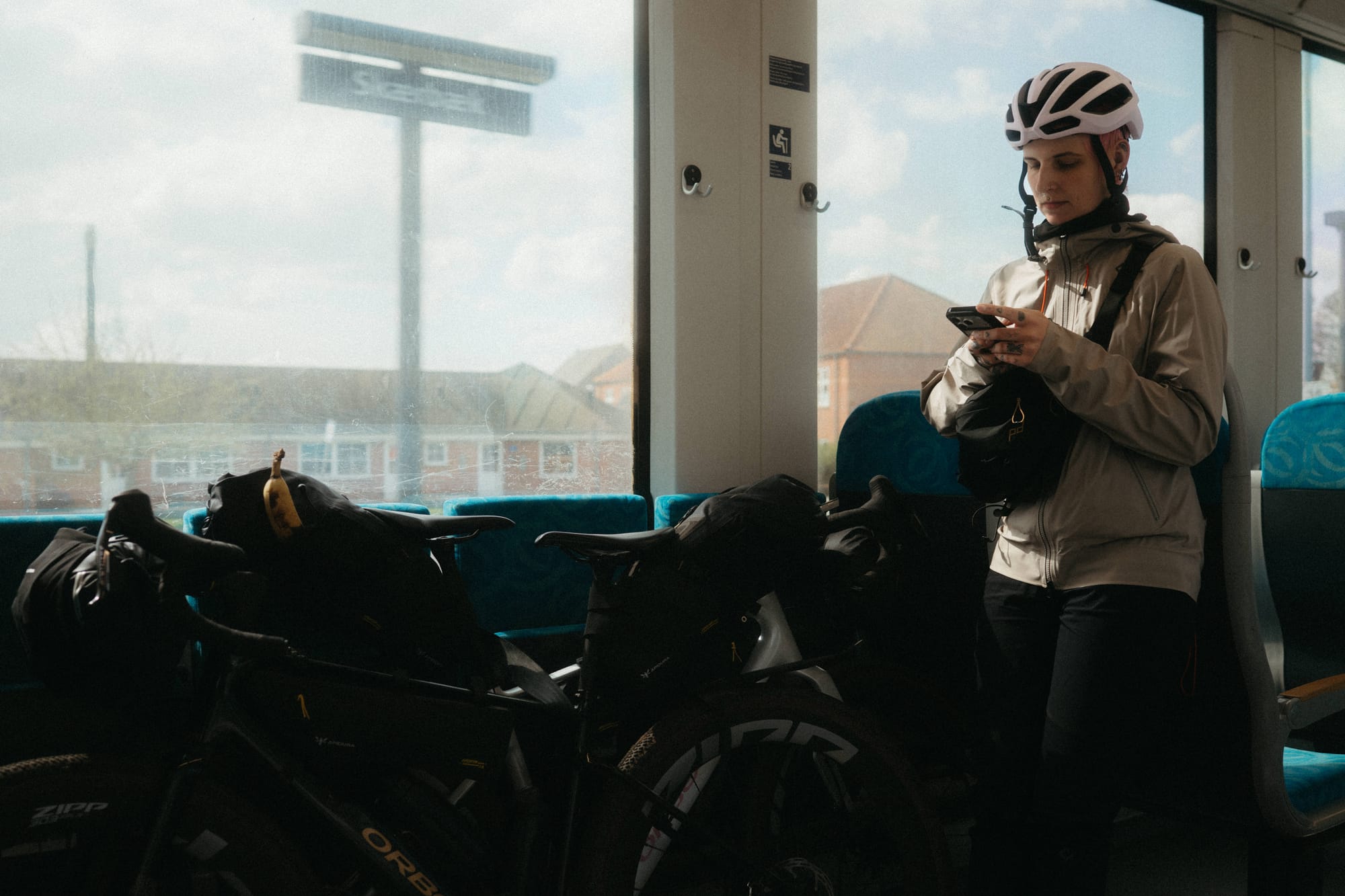
On the Tønder-Esbjerg train I discovered I had booked the tickets correctly but left the bikes out entirely. The conductor stopped us, explained the situation, and used an English word I didn't recognize. "You don't know that word?" he said. He did not look like someone planning to help. We could either accept a fine or get off at the next stop. We got off. The train after that didn't check anything. I was still annoyed when we arrived in Esbjerg, which took longer than the problem warranted.
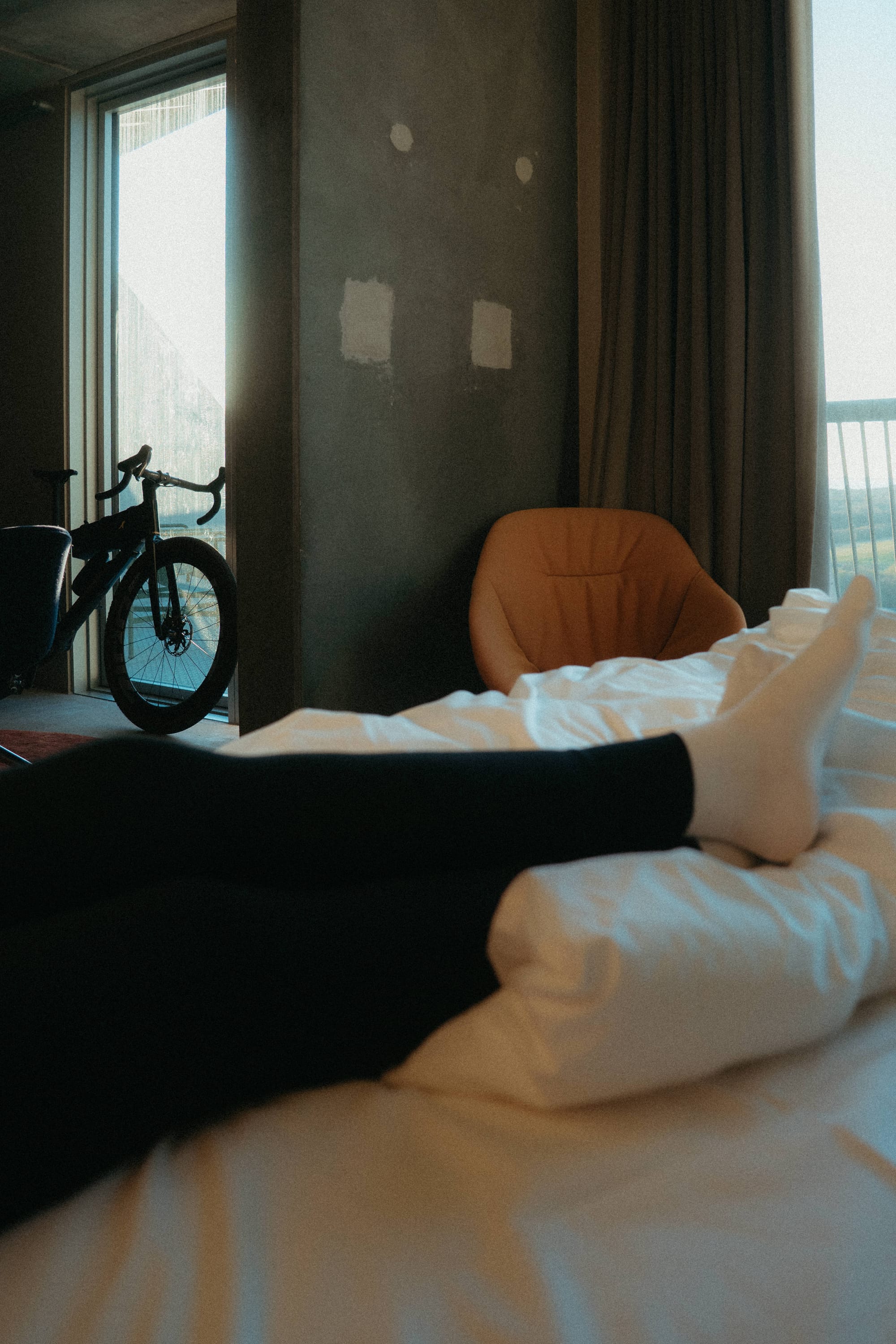
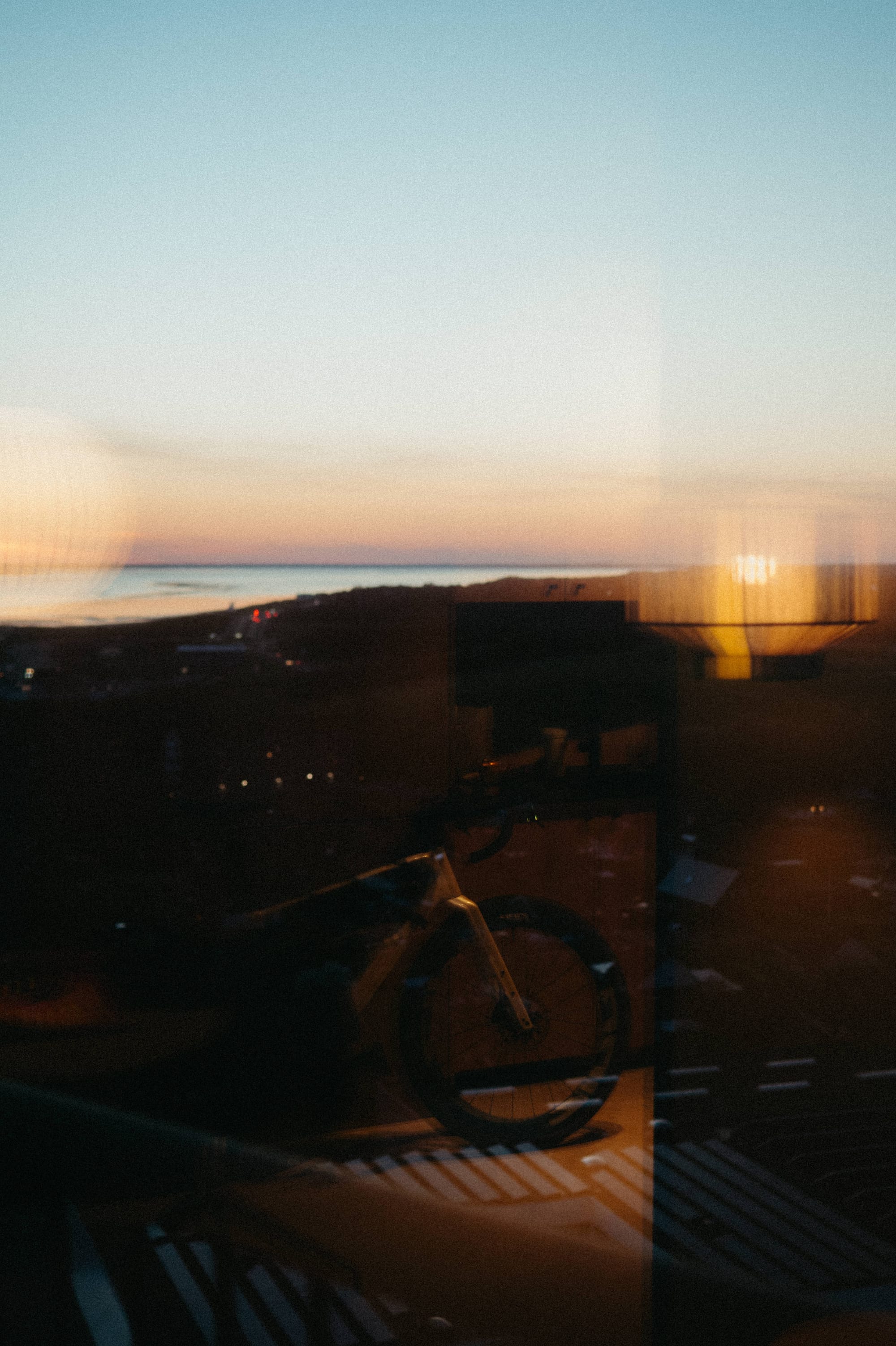
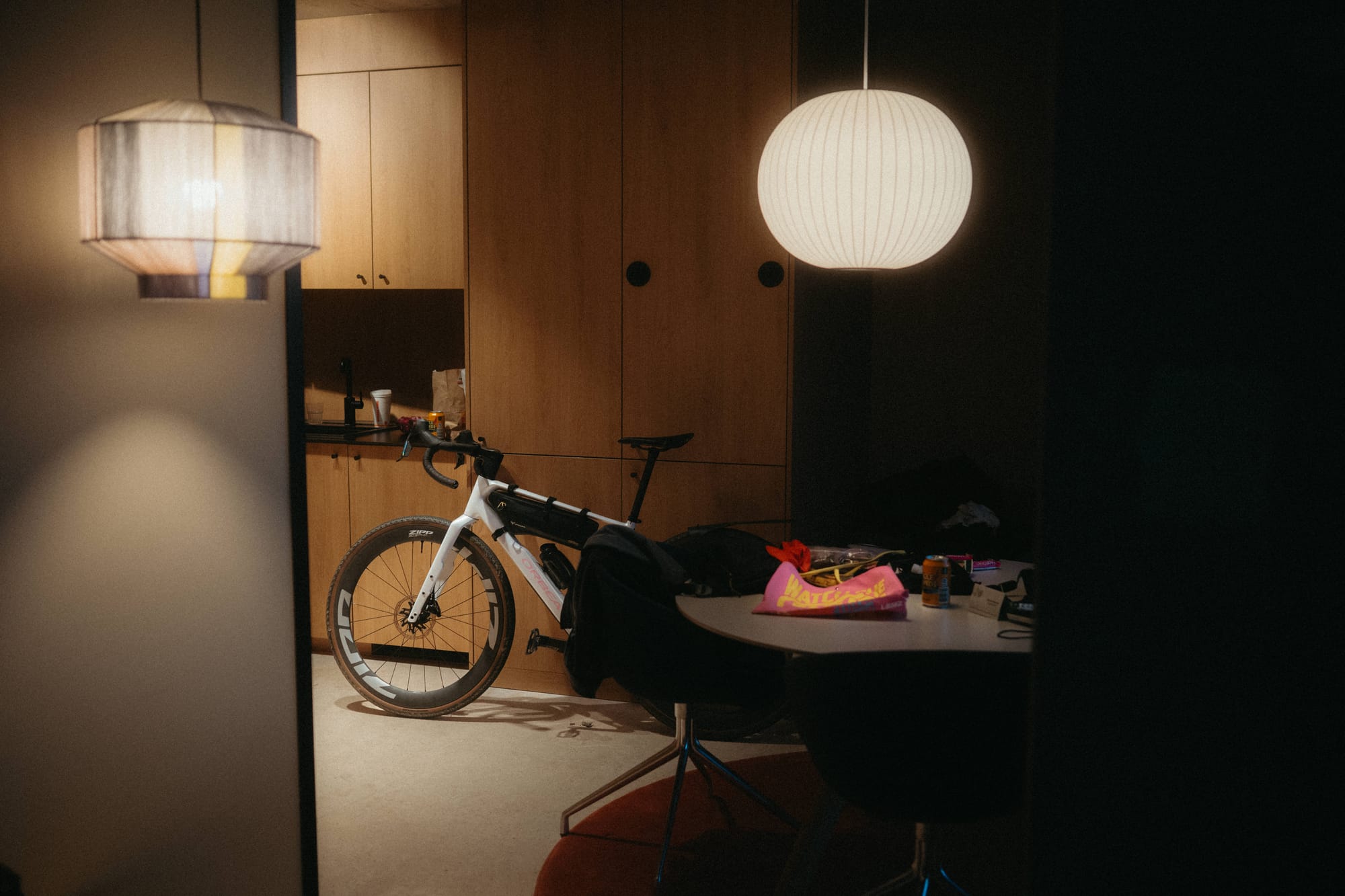
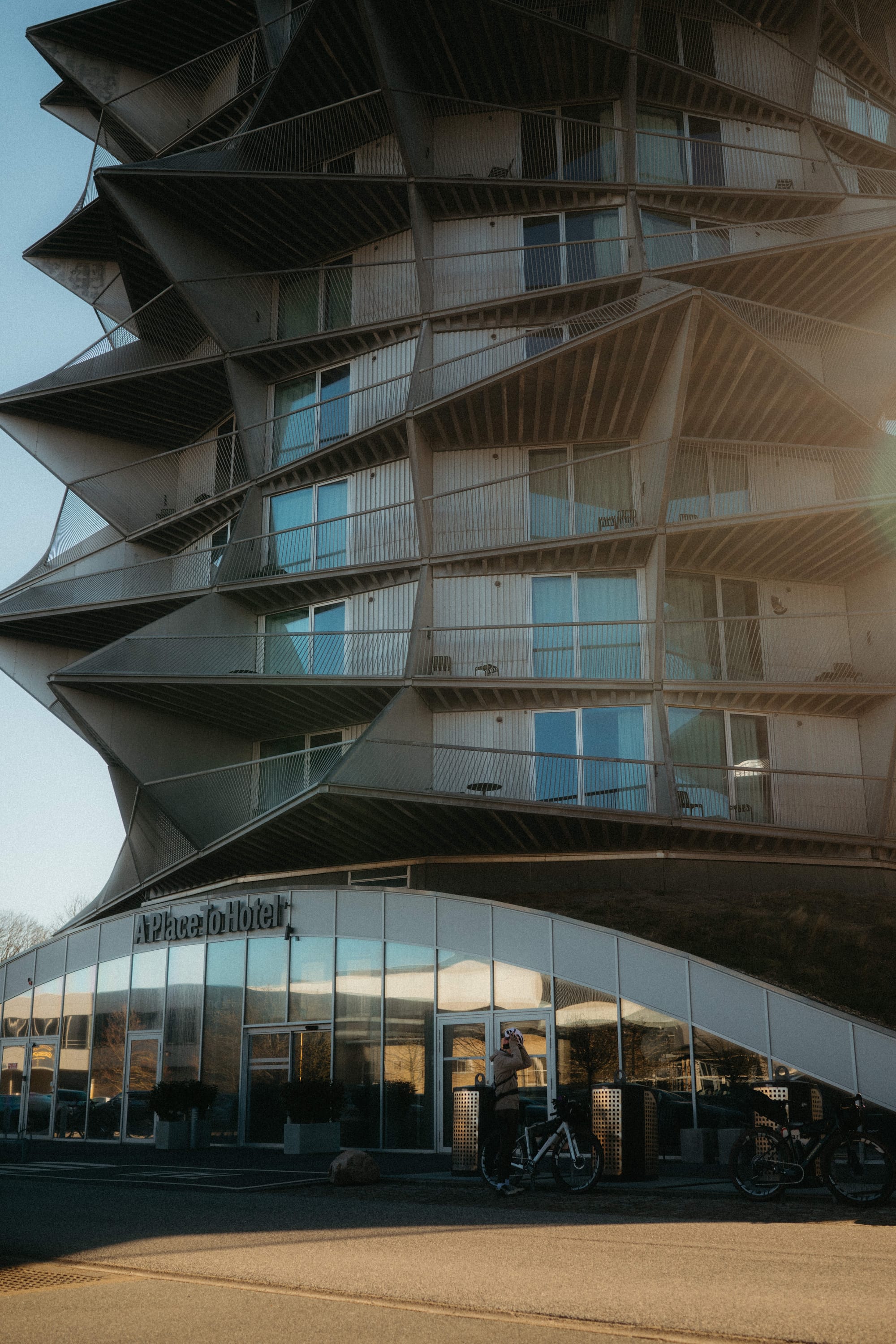
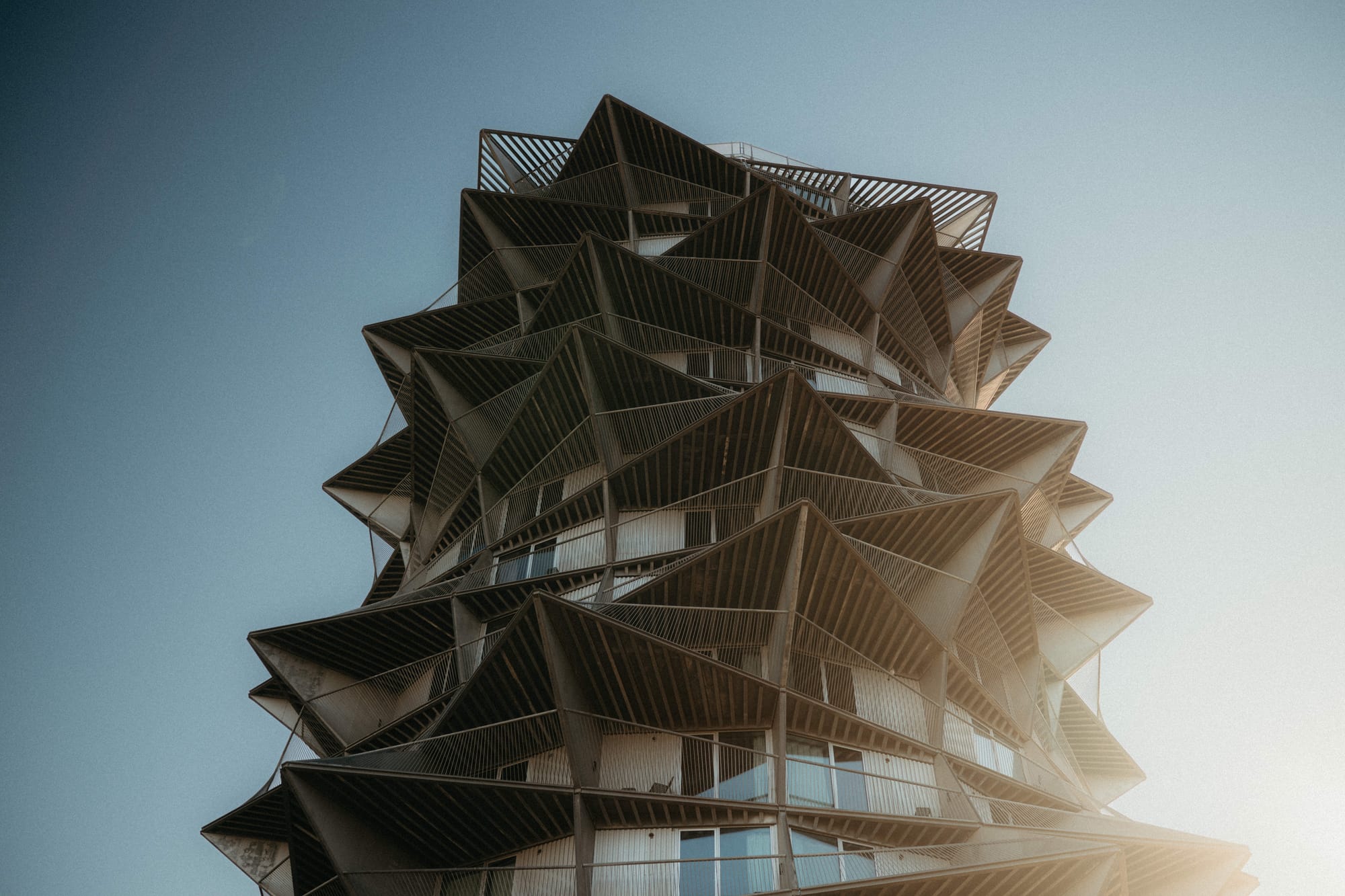
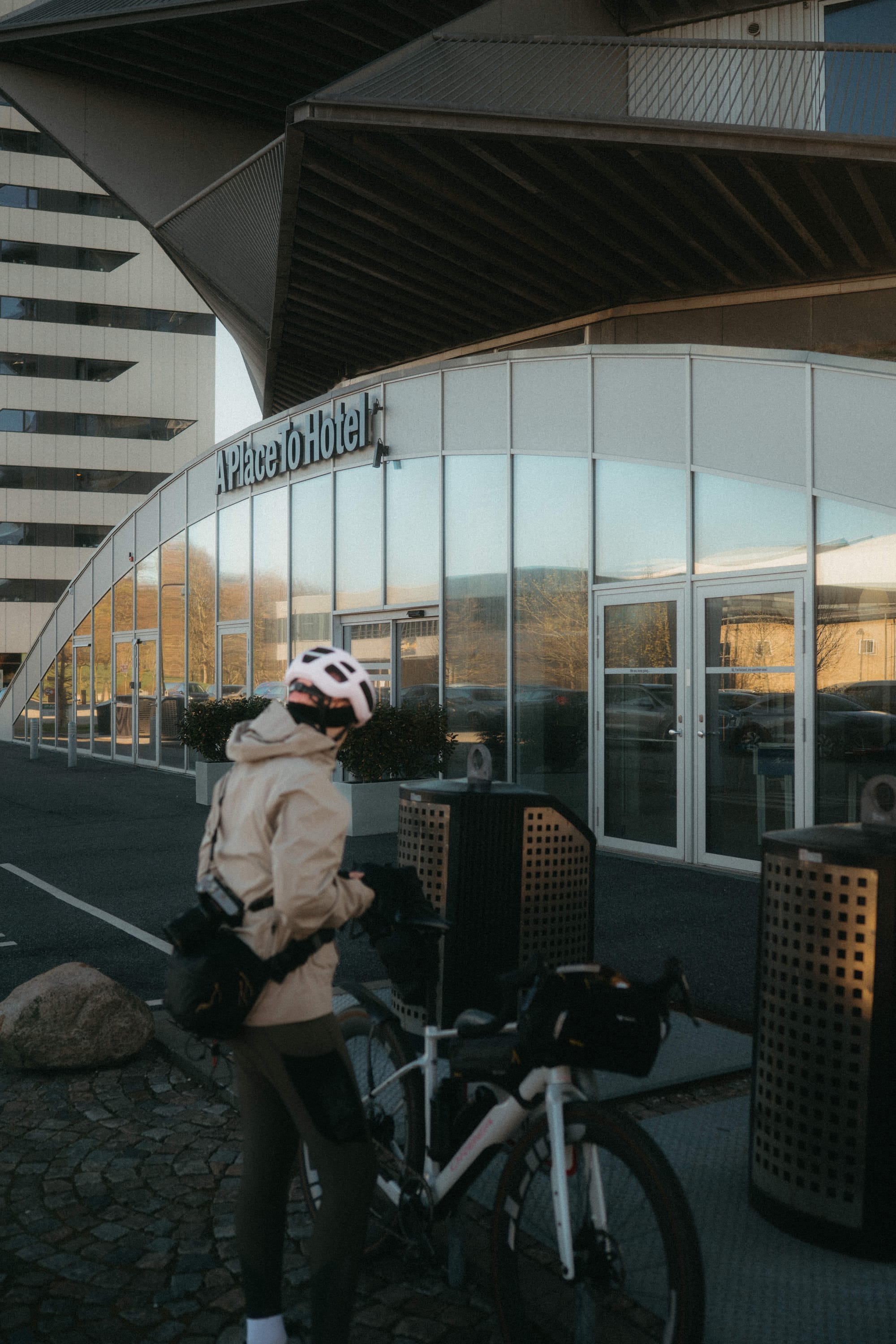
Esbjerg for one night, at the A Place To Hotel. Fifteenth floor, long view of the North Sea, and Mennesket ved havet visible from the bed, four large white iron figures standing on the seafront looking out at the water. We brought the bikes up to the room. We ordered food. We looked at the sea and the figures standing in it and let the day end.
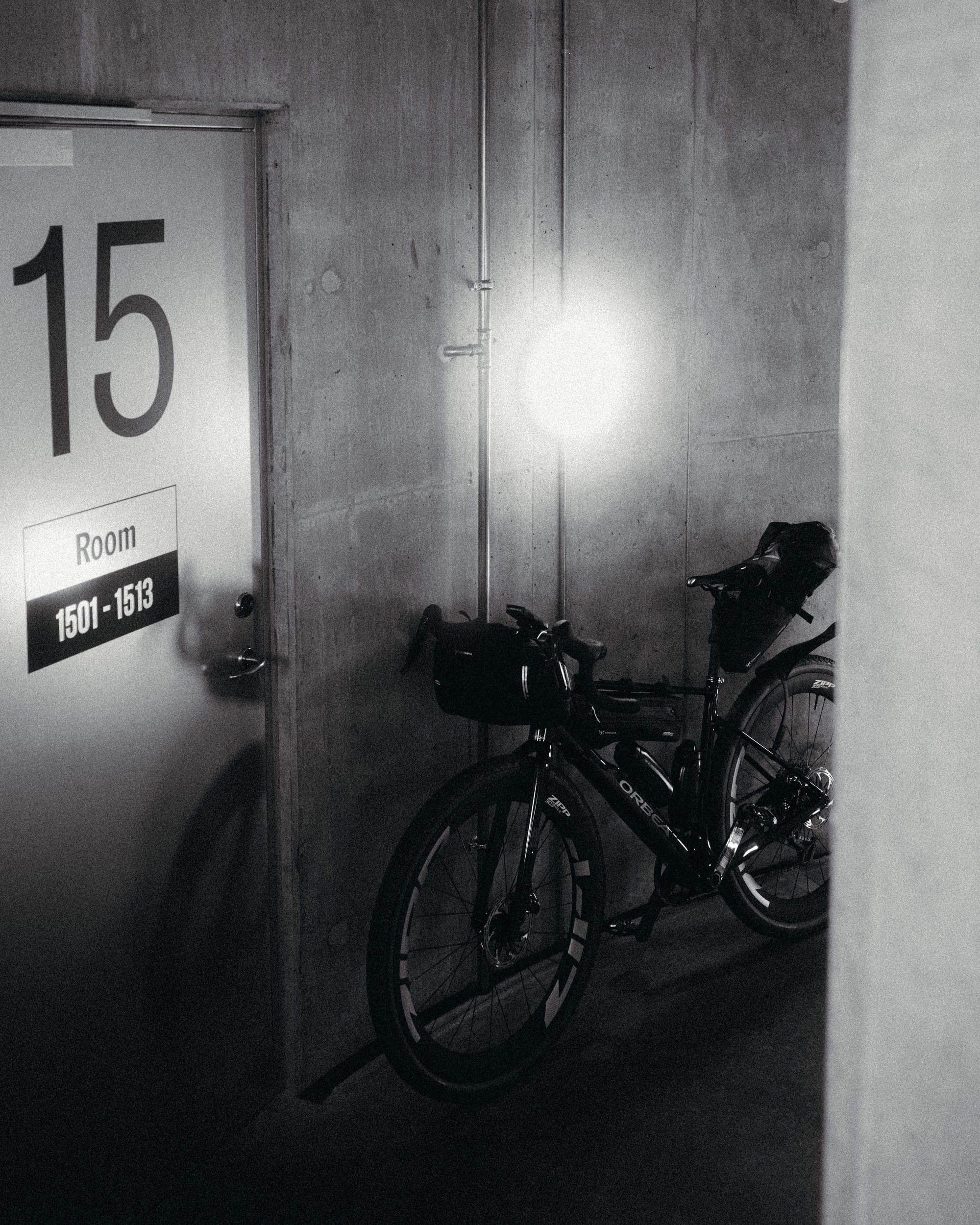
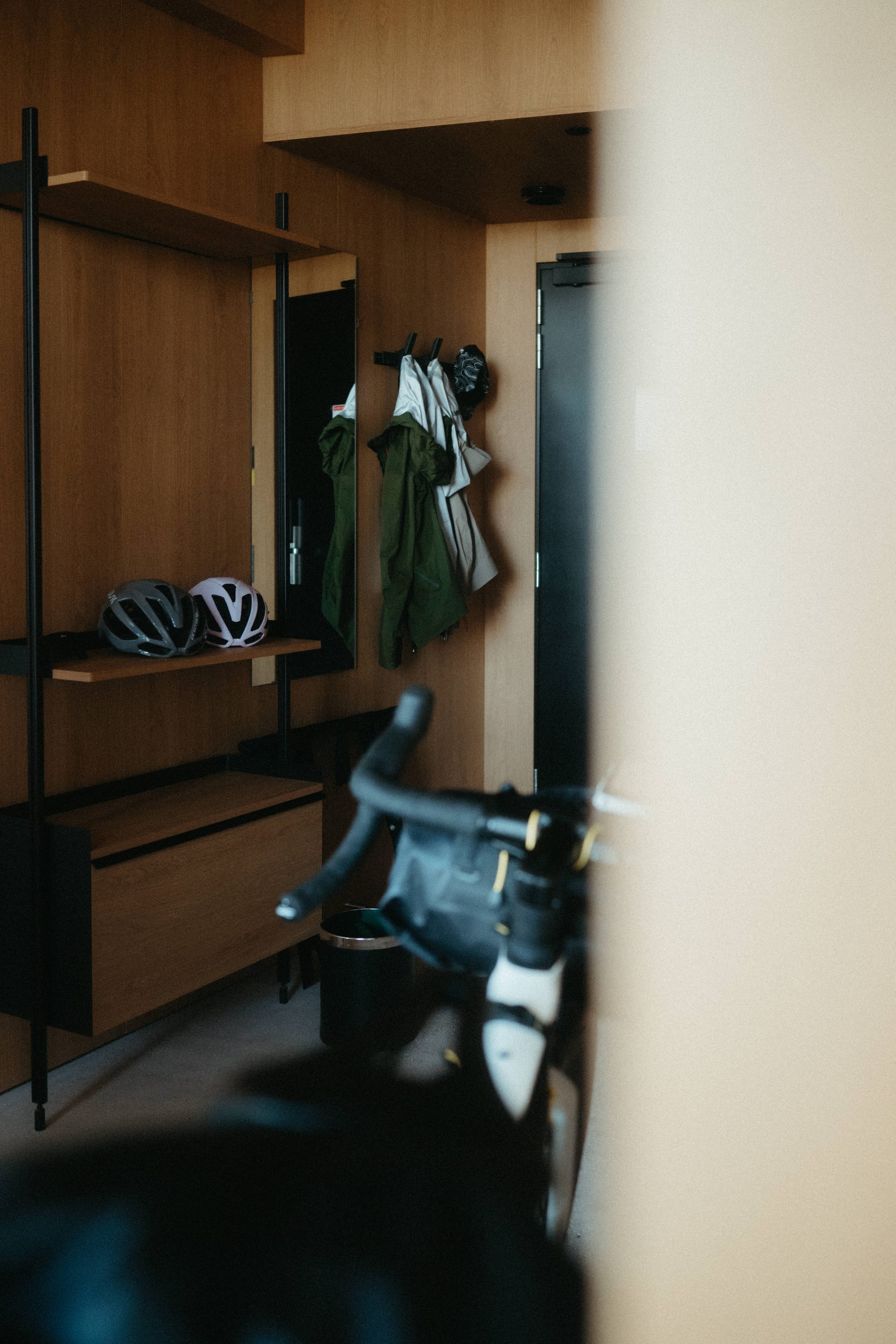
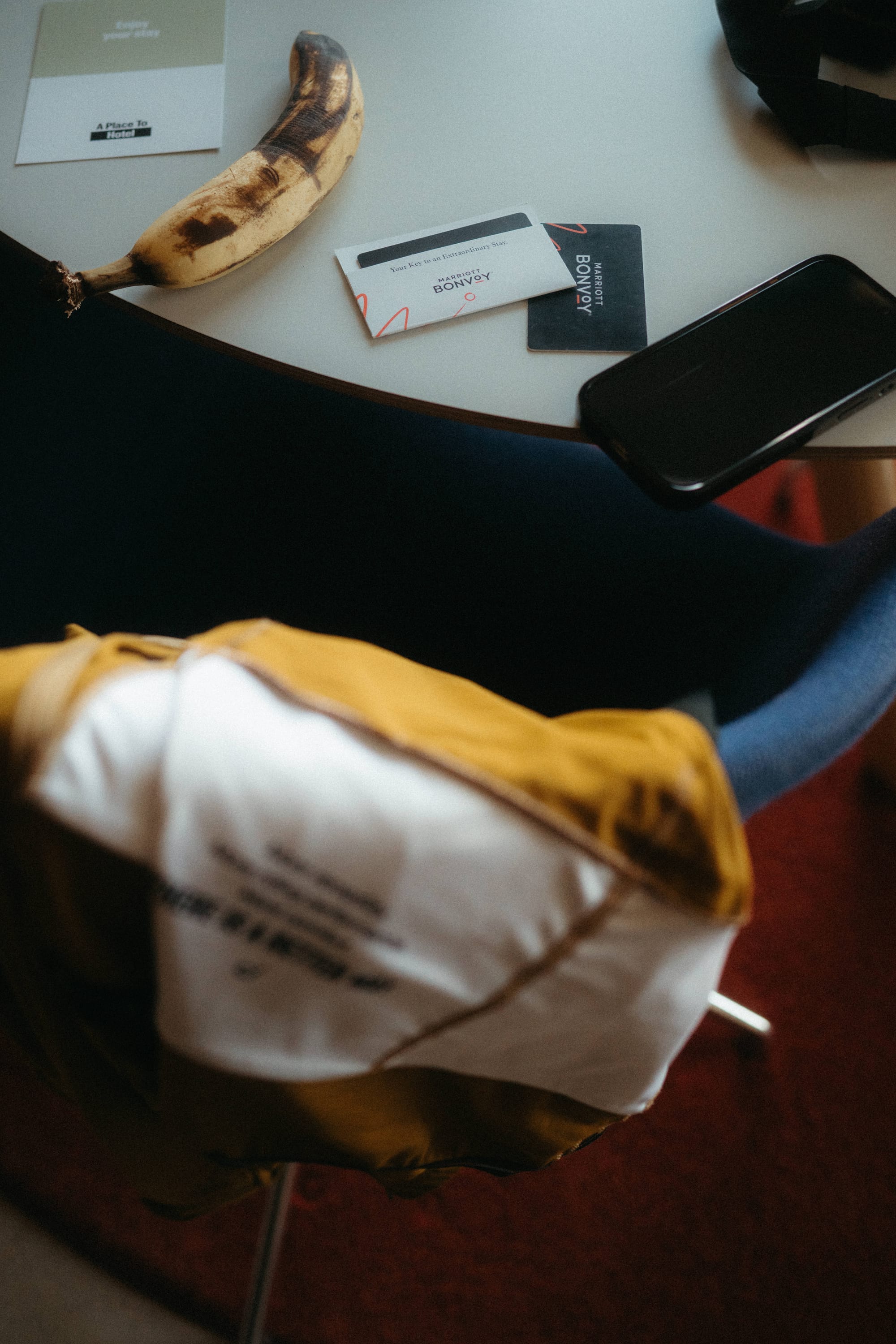
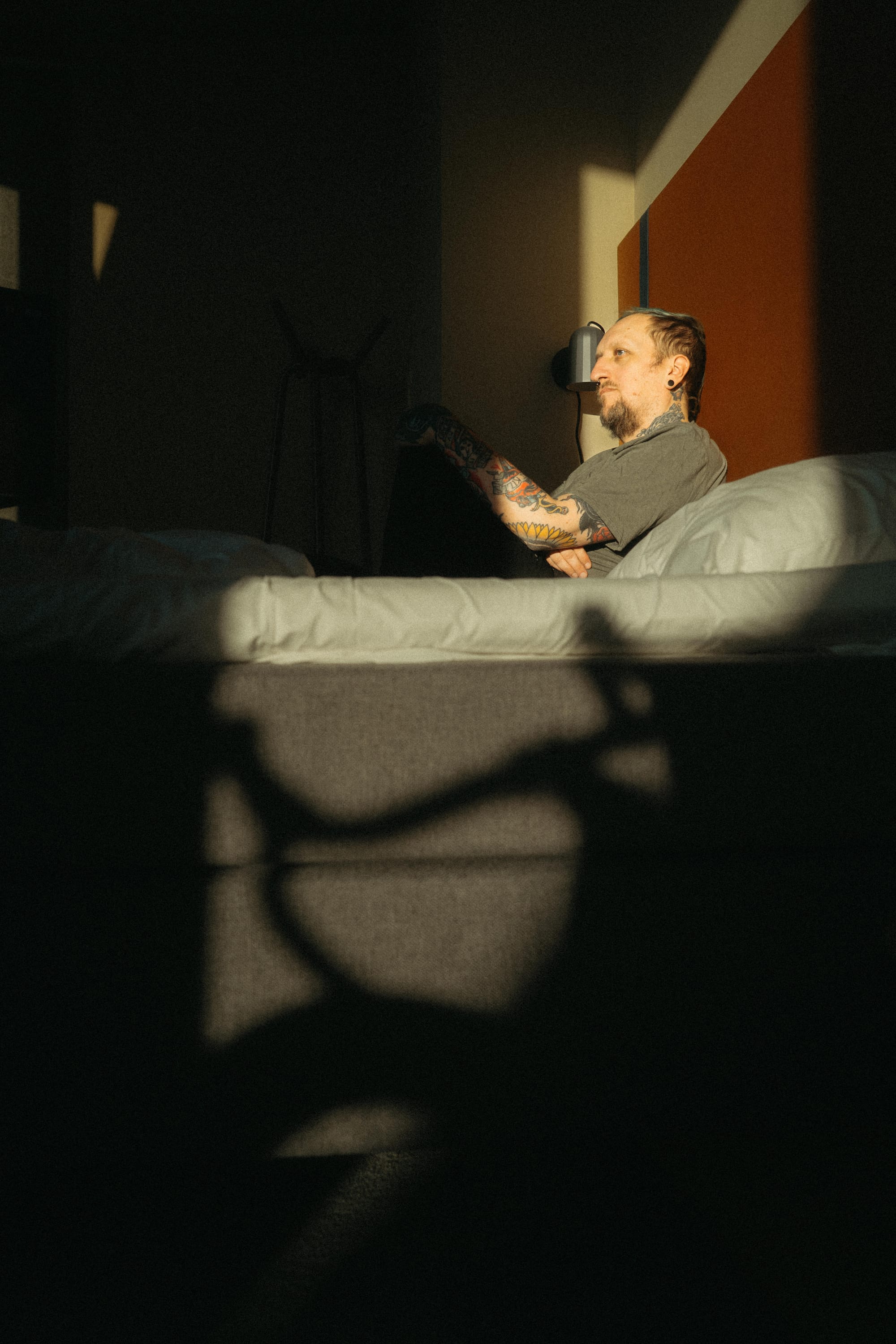
The list of things we had never managed to see in the wild had been running in the background for years. Fox near the top. Everyone else sees foxes. People in cities, walking home late, people who aren't even looking. We had decided, quietly, that we were just unlucky. Neither of us is especially loud or hurried. We just never managed to be in the right place. Which, honestly, makes it worse. At least loud people have an excuse. We hadn't written it on any list. But it was there.
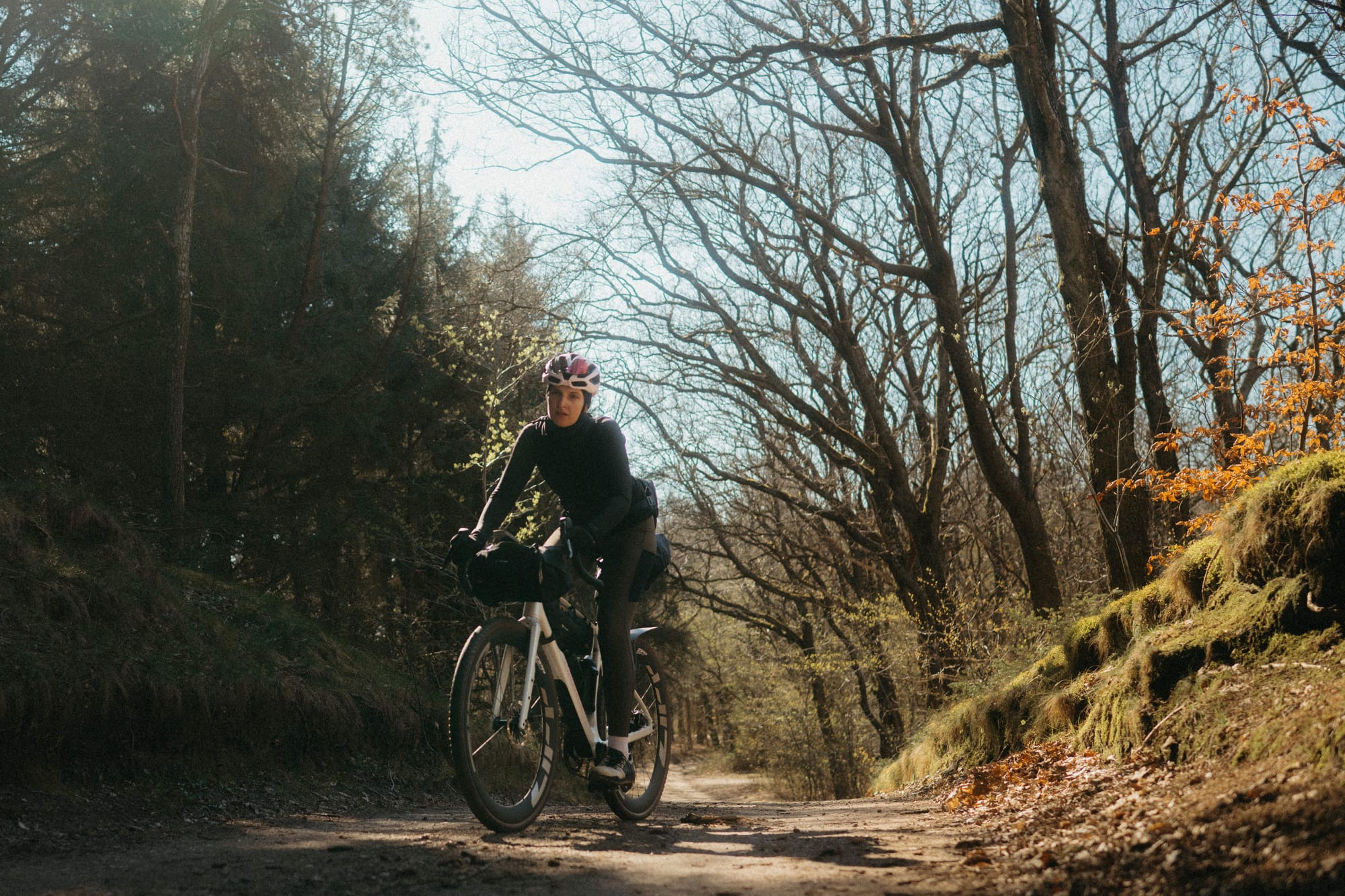
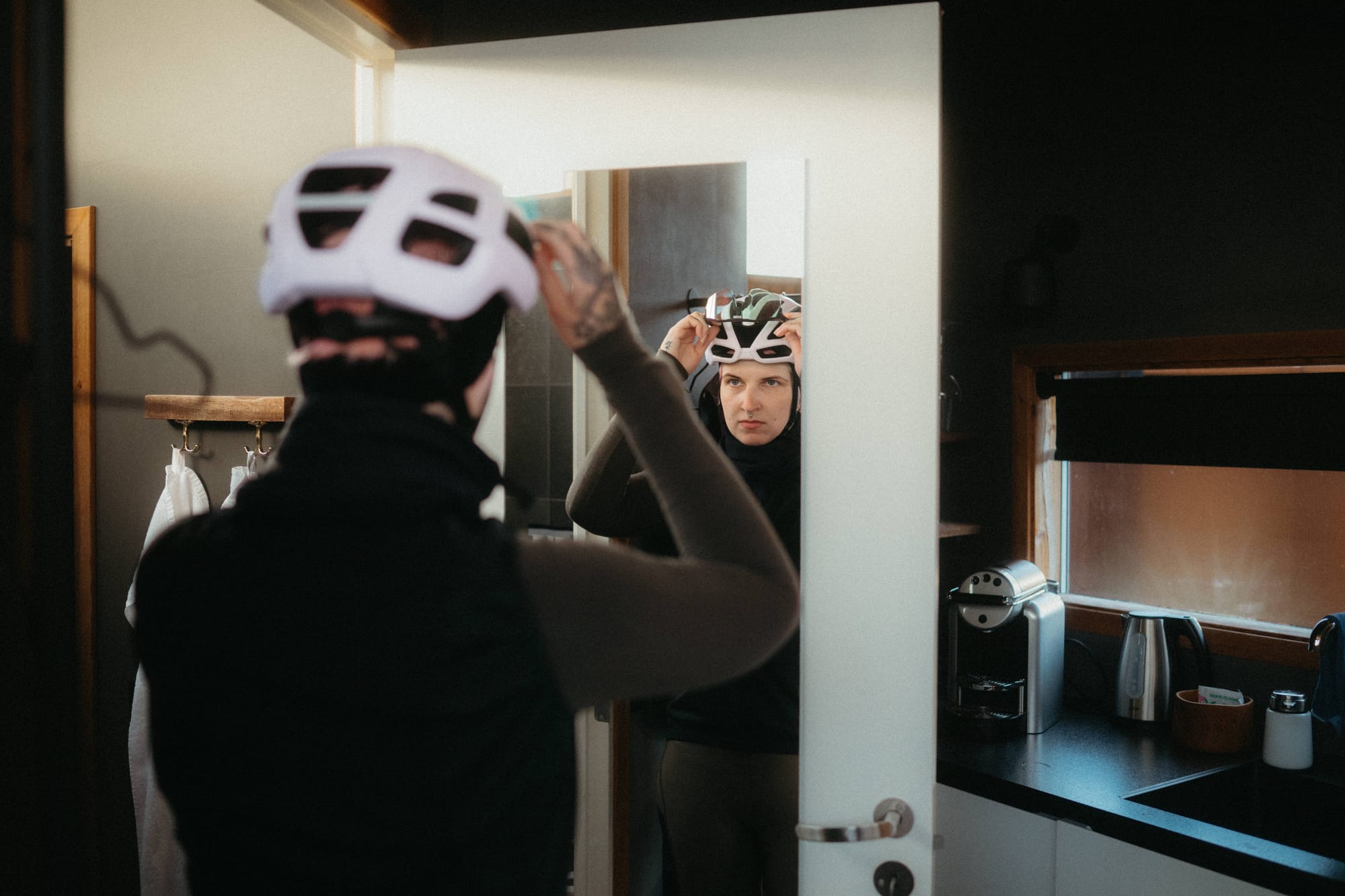
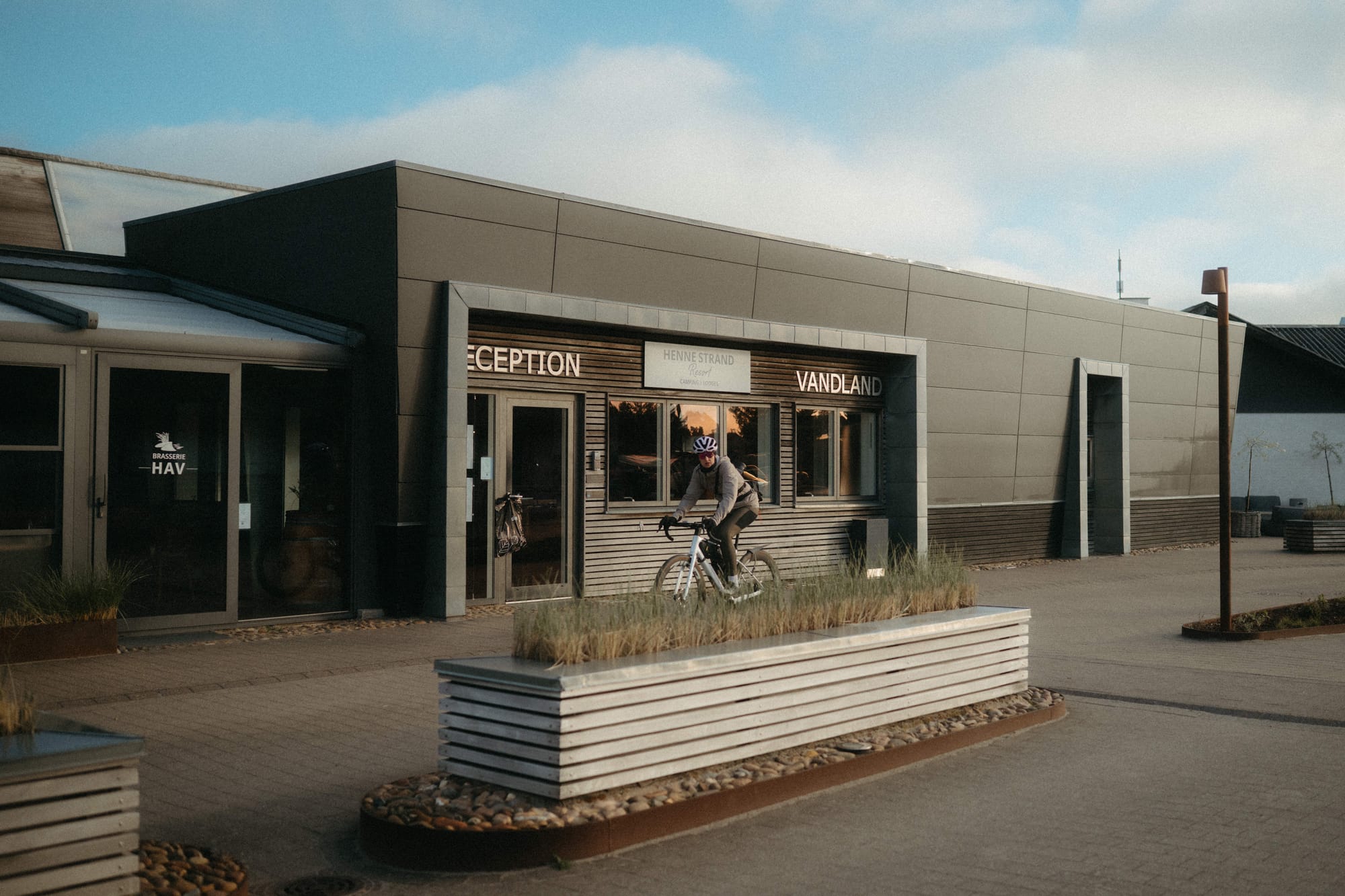
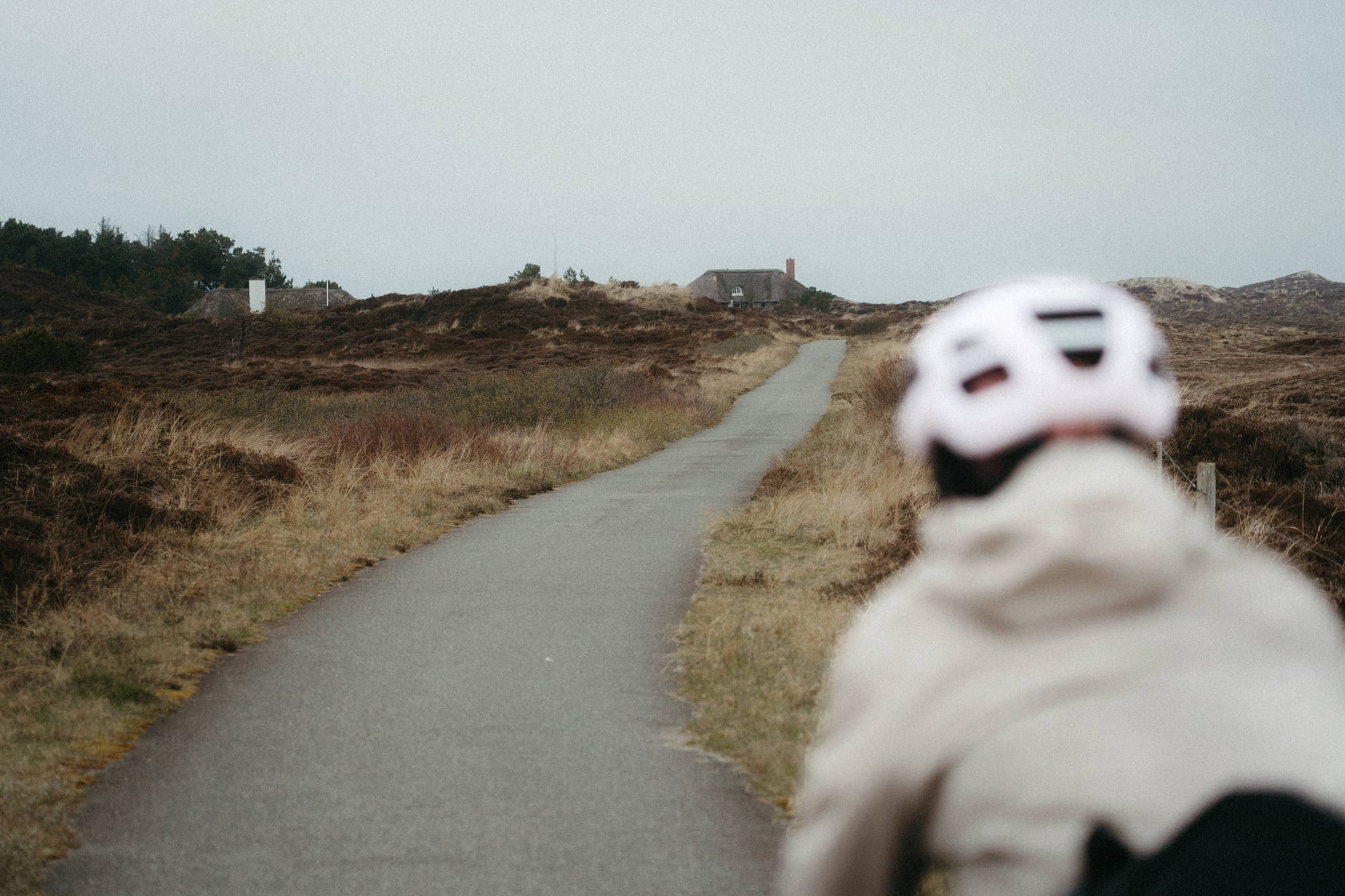
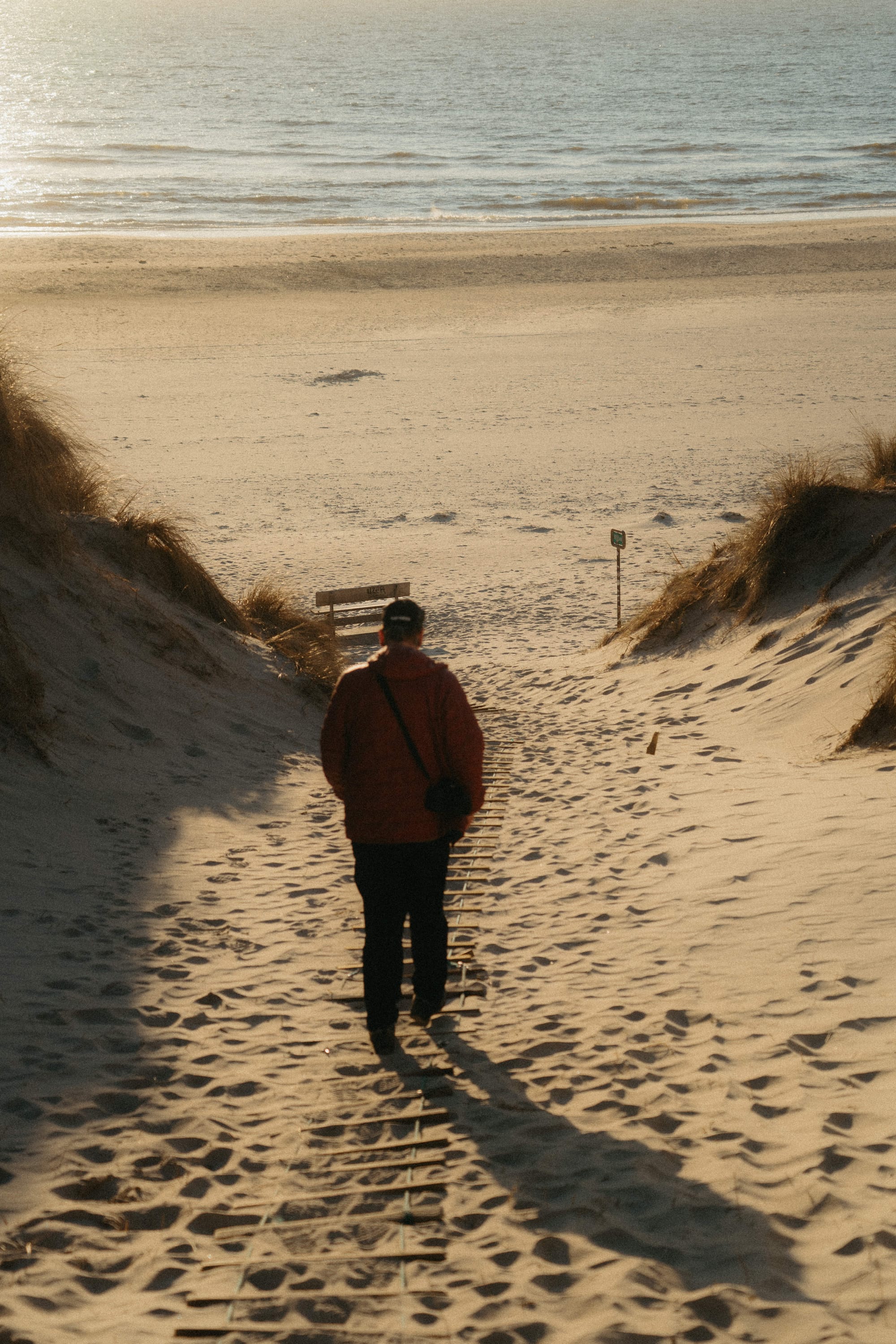
The next morning we headed north toward Henne Strand, fifty-six kilometers. We stayed off the main route and took a detour along the coast just south of Esbjerg, a stretch we had never ridden before. We didn't know it would be beautiful. It was: fields and forest and the sea right there and the light coming off the water and nobody around. Jana spotted three deer before I had noticed anything at all. They all had white rumps, which became a recurring observation over the next few days. "Why do all the animals here have white bums?" She asked this more than once. I still don't have an answer.
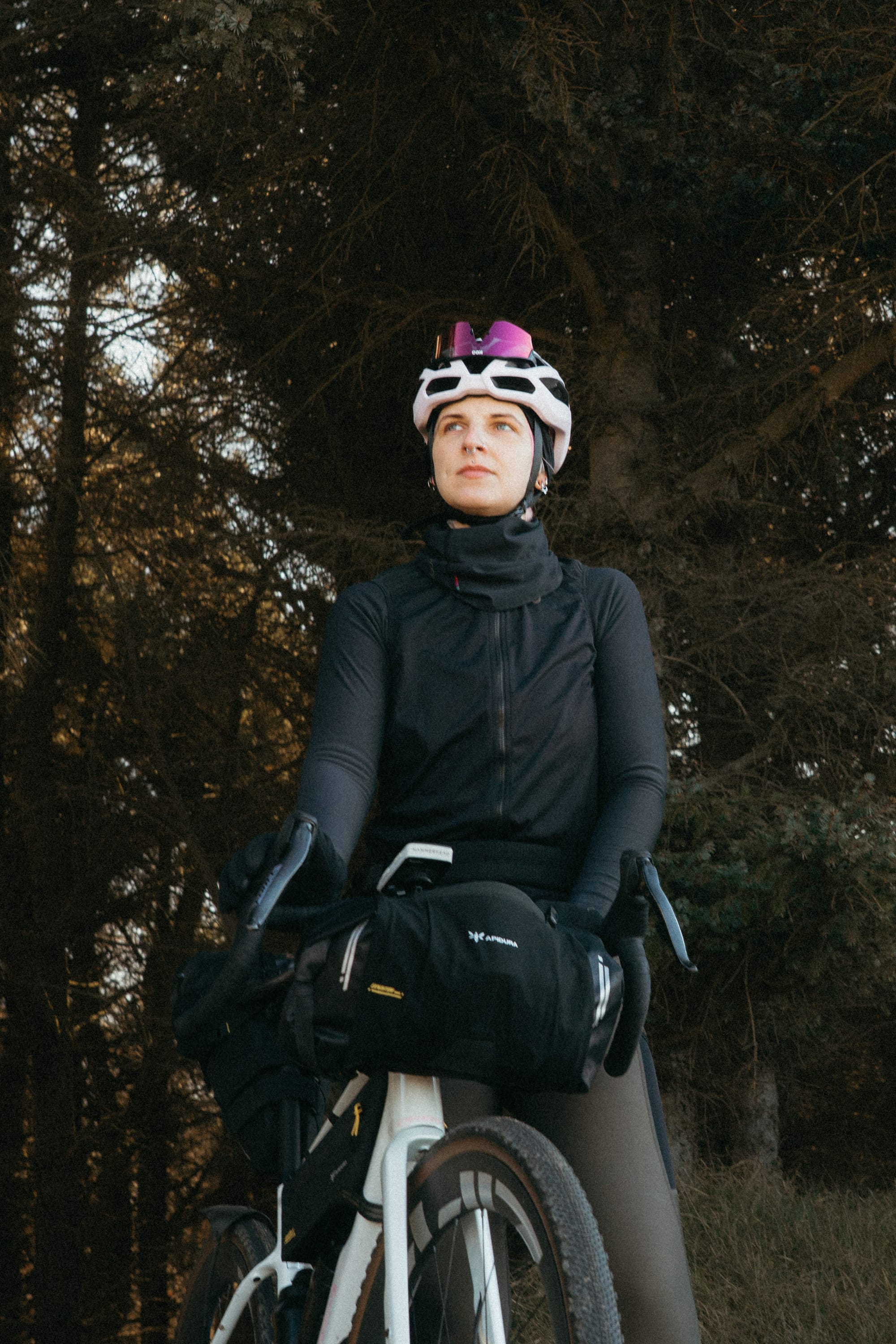
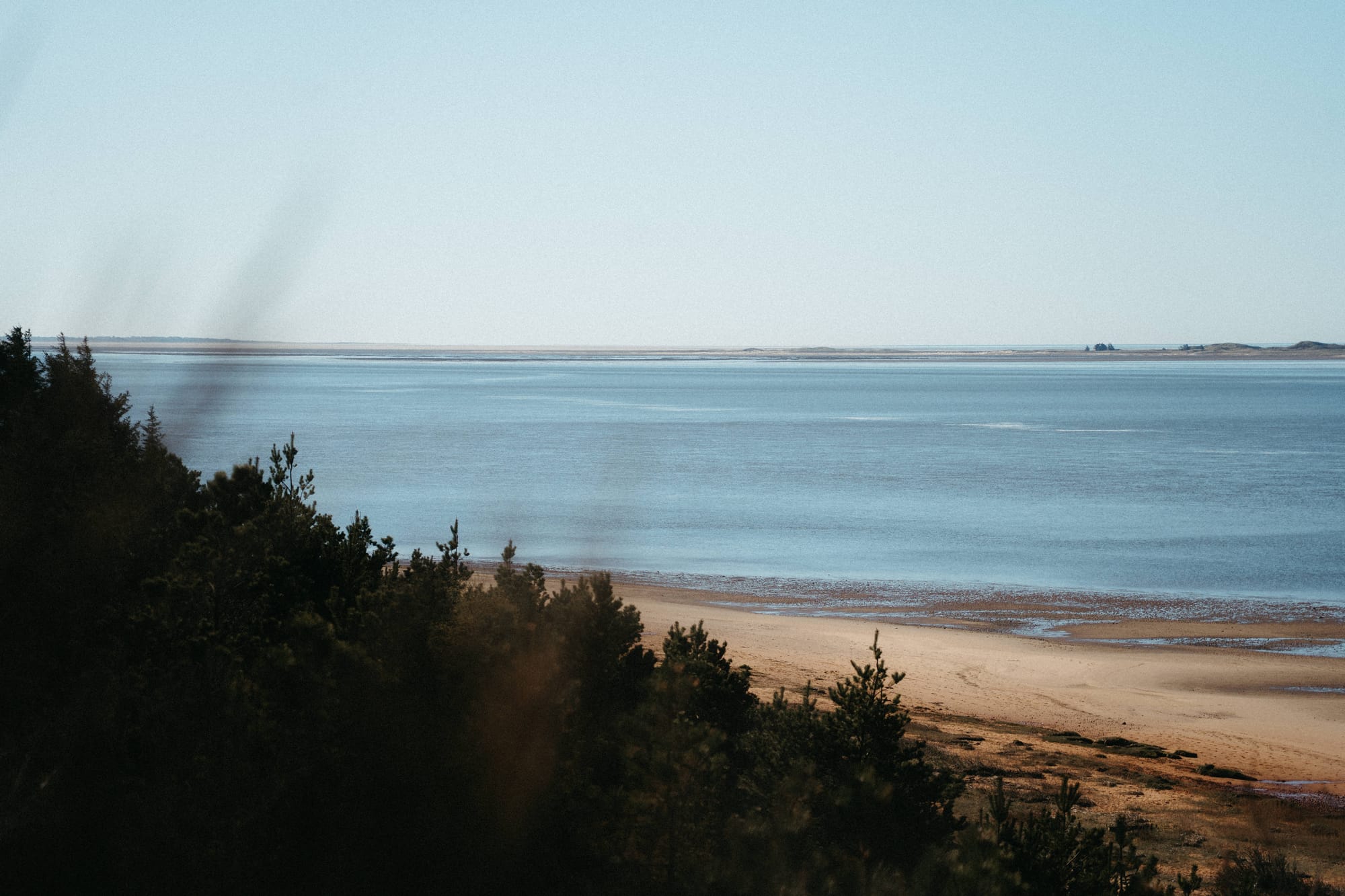
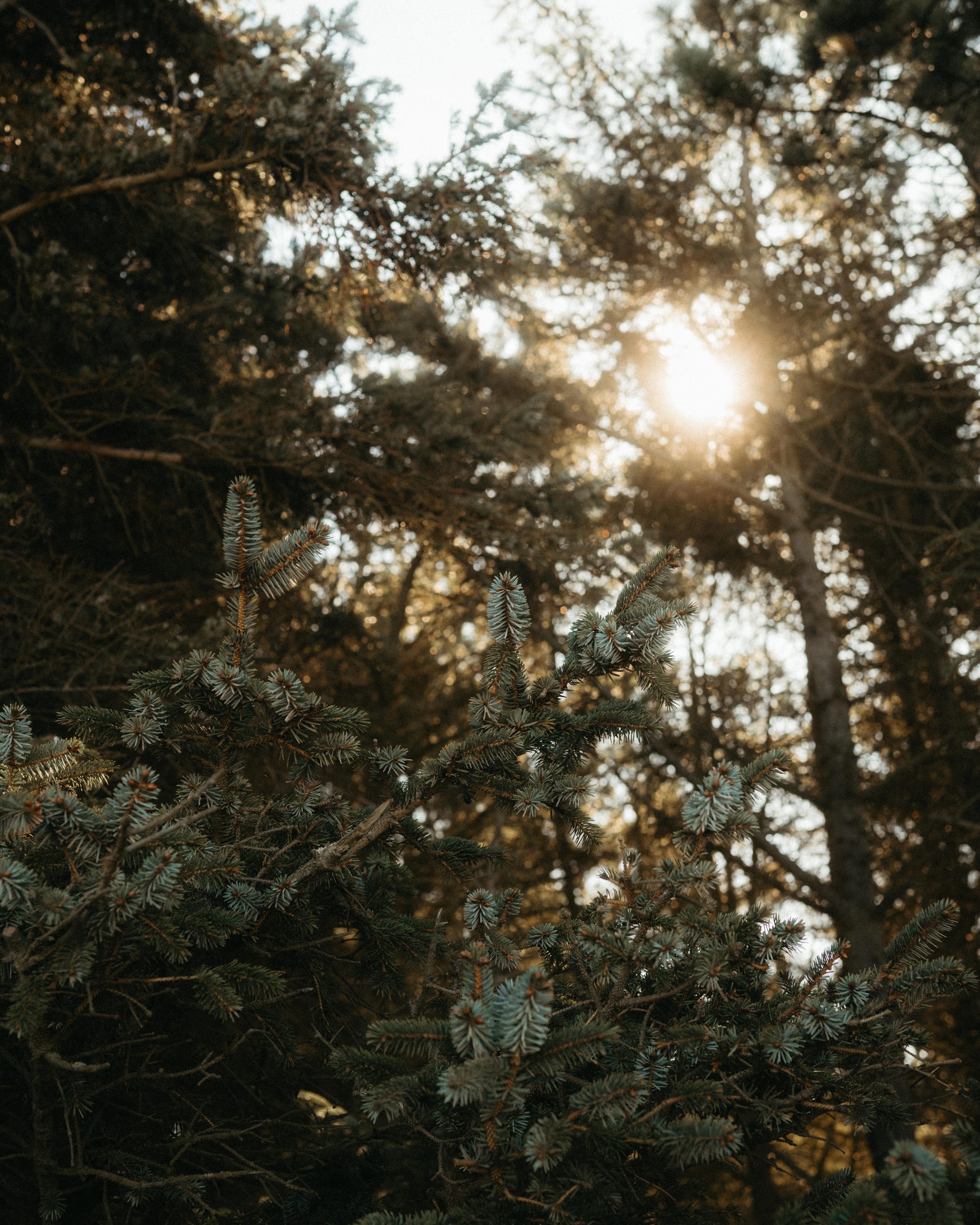
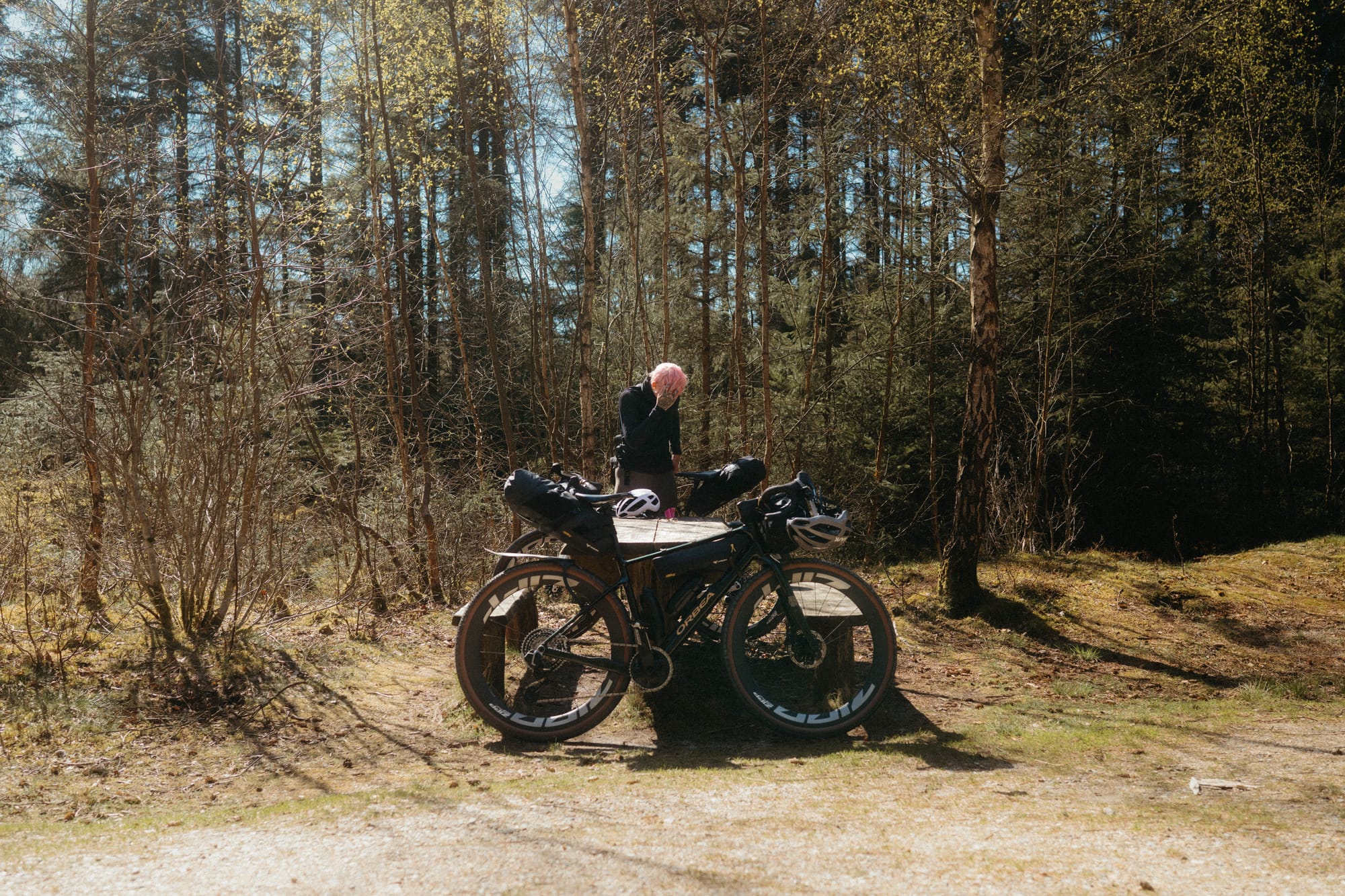
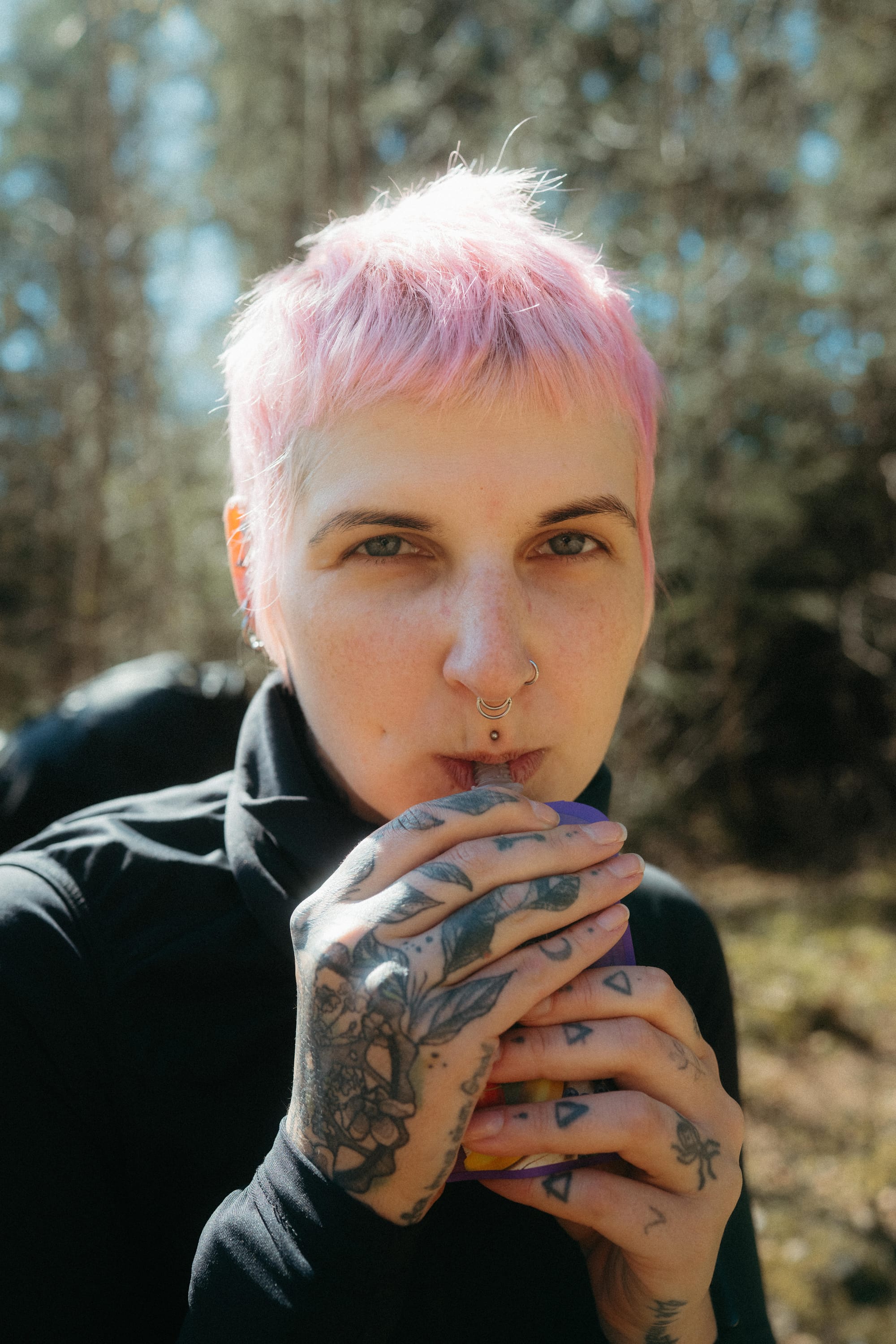
Then the heathland outside Oksbøl opened up, and to the right of the path a dust cloud appeared. A tank emerged from it, barrel and all, tracking parallel to the road. We watched for a few seconds. Then we kept cycling.
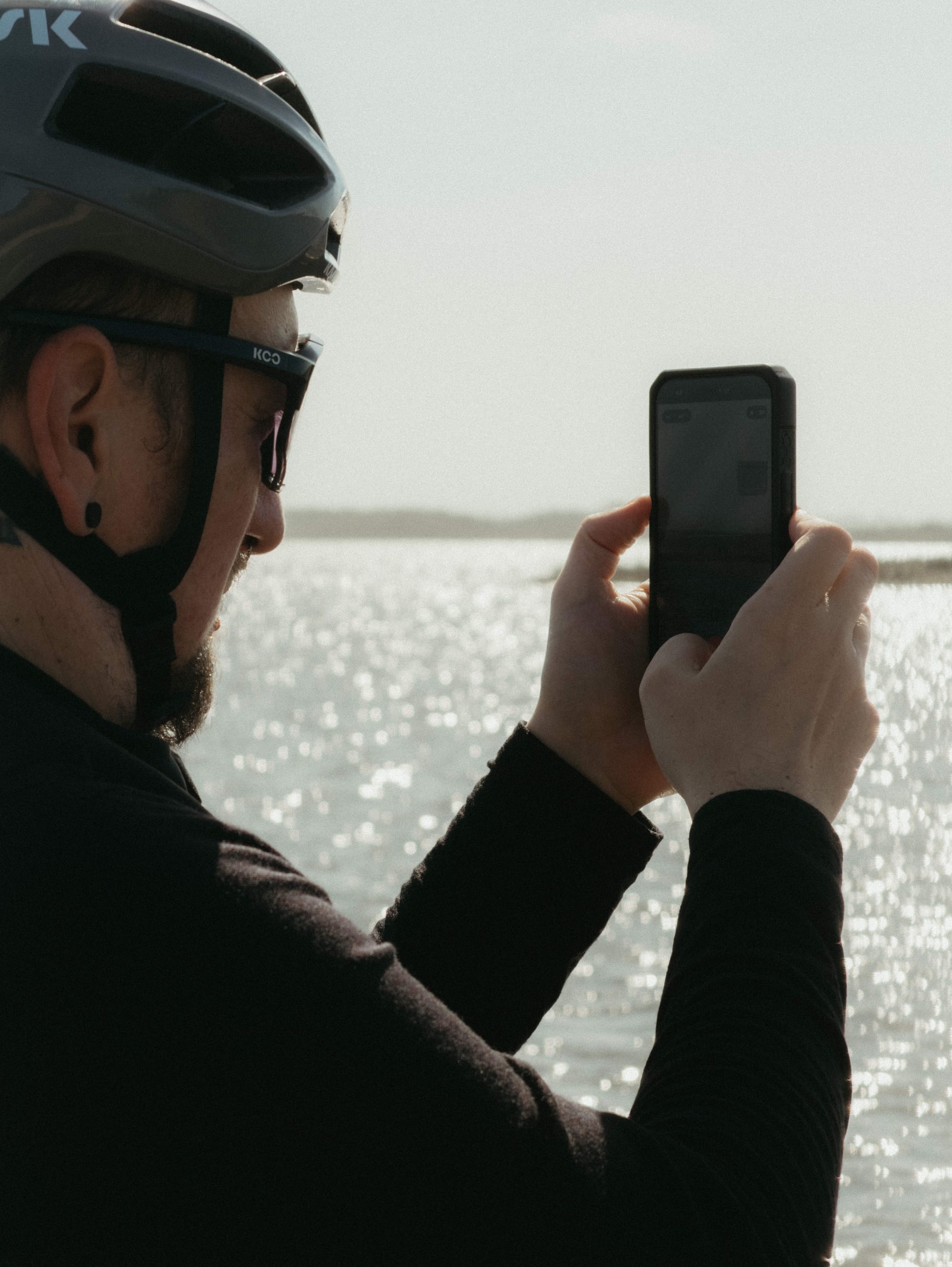
About five kilometers before Henne Strand I stopped to take a photo and rolled my ankle. Badly enough that the flash of panic came immediately, the kind that asks whether this trip is now over before it has started. I stood there for a moment assessing. It held. We rode on.
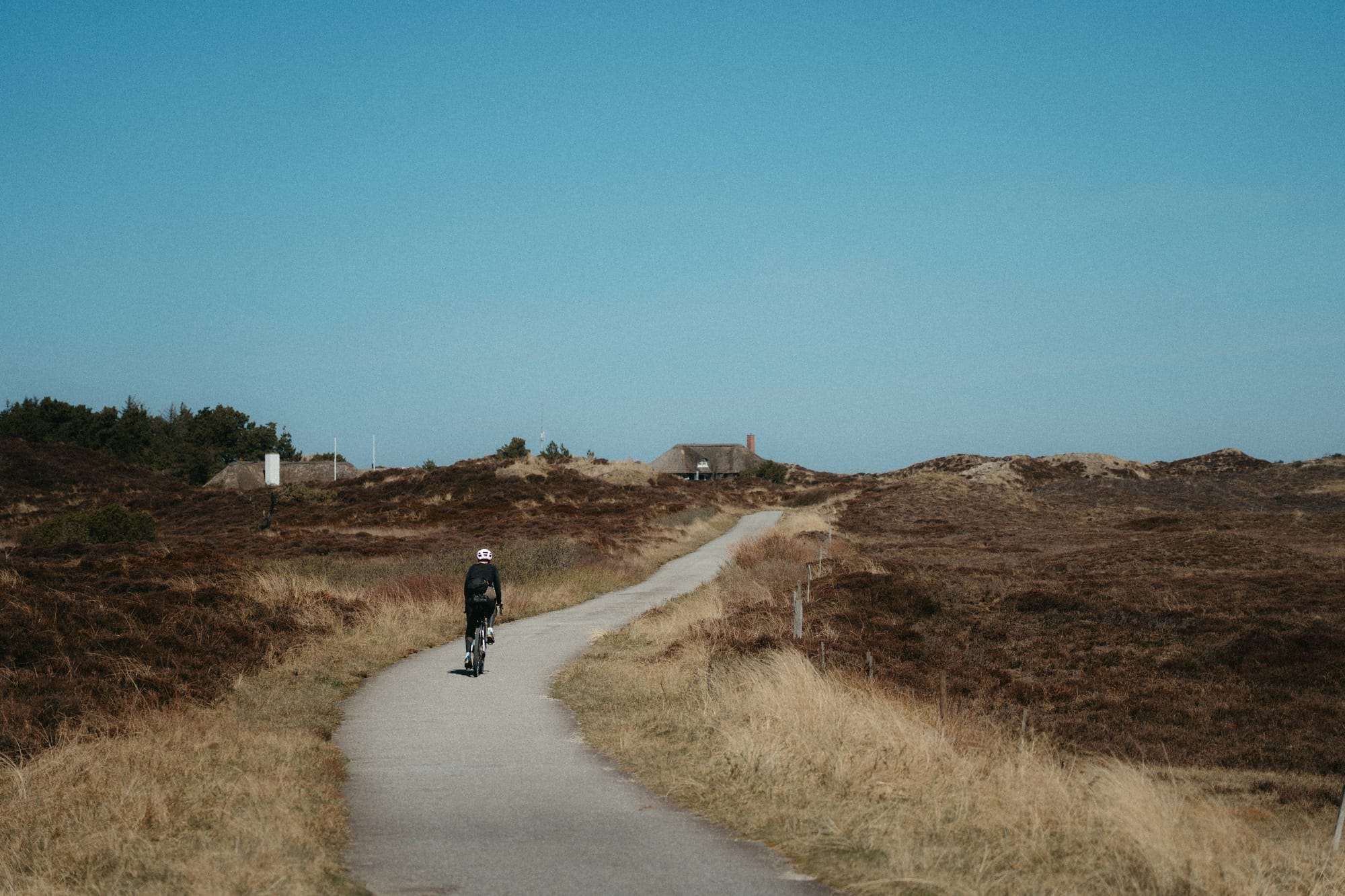
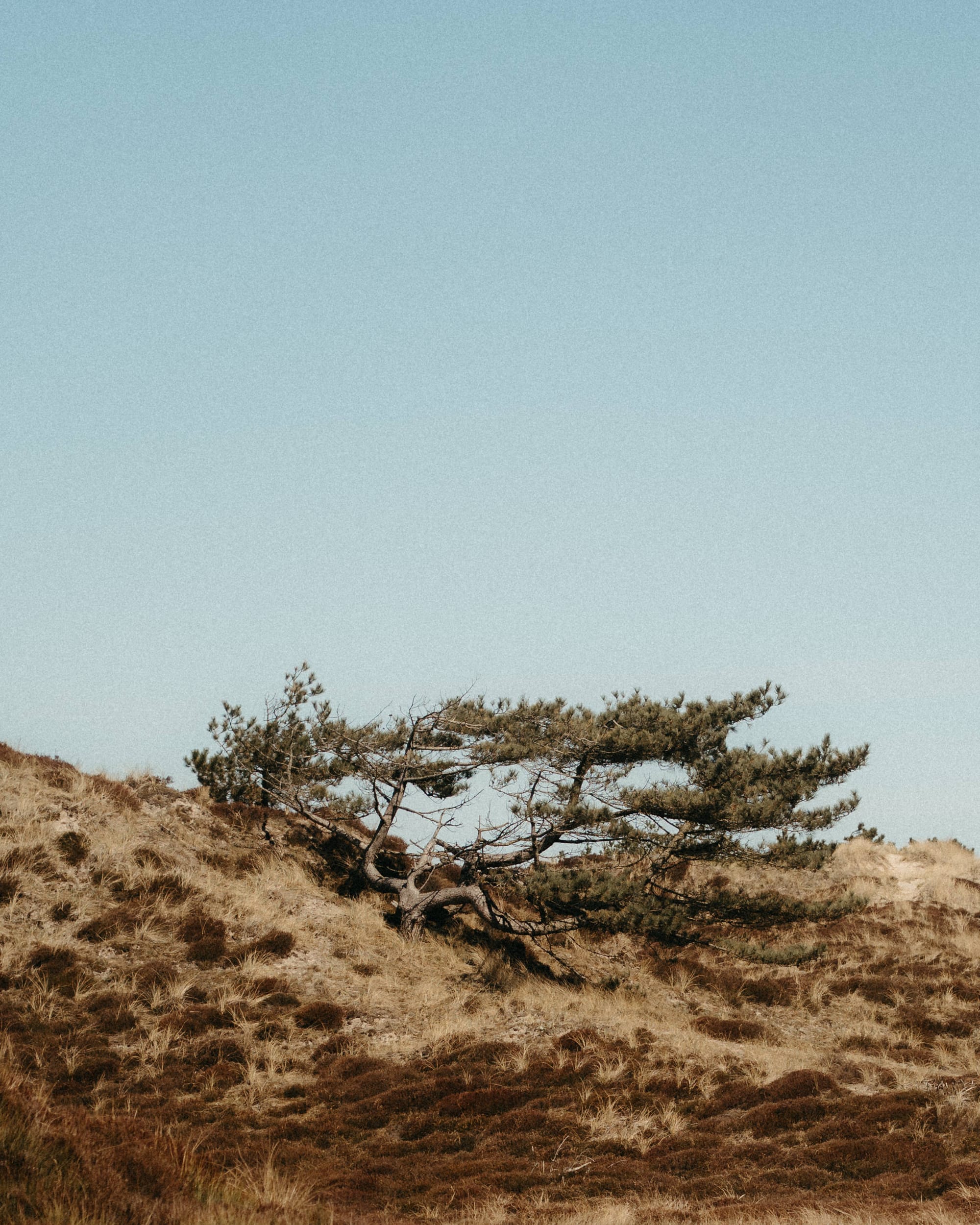
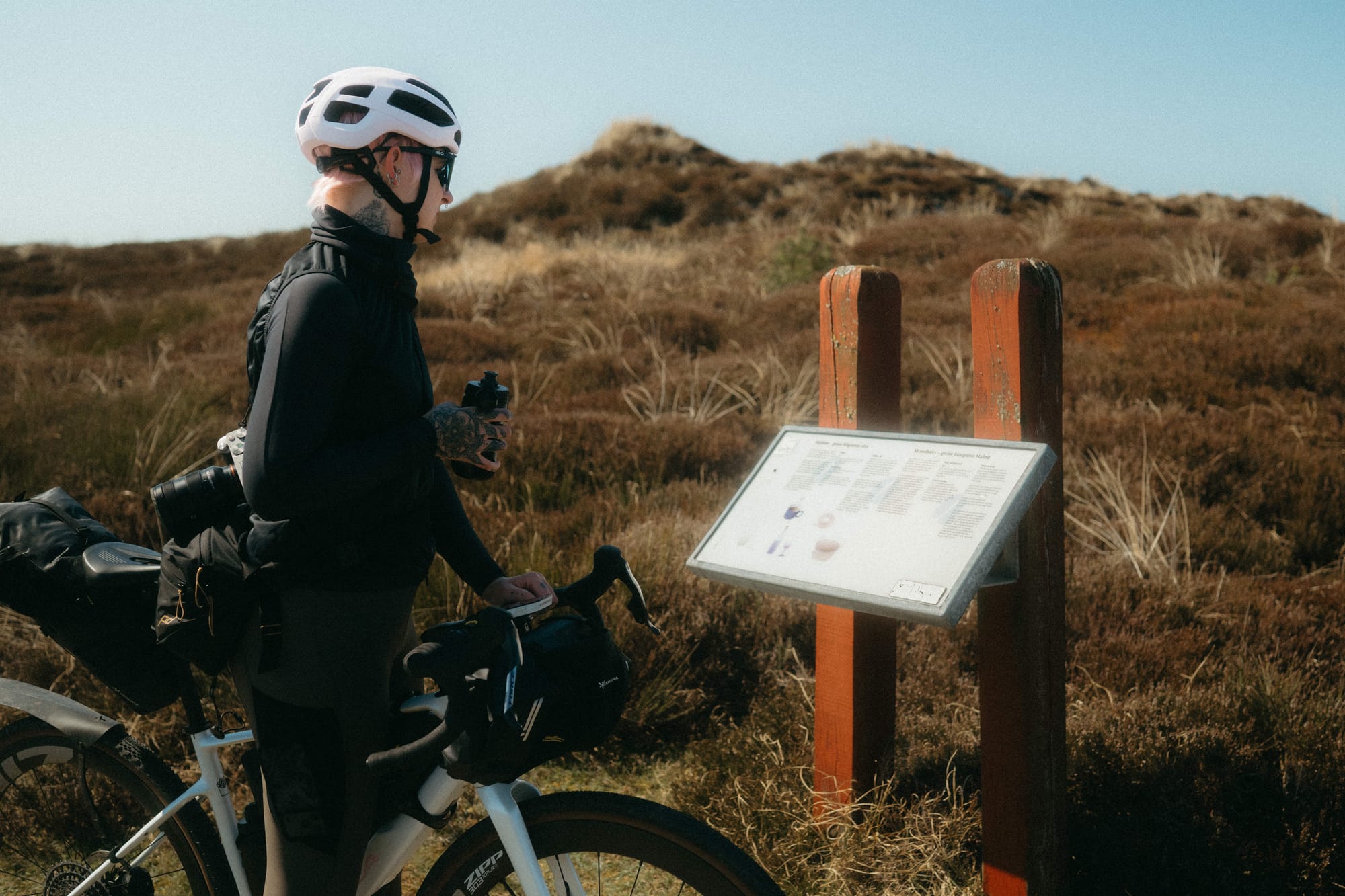
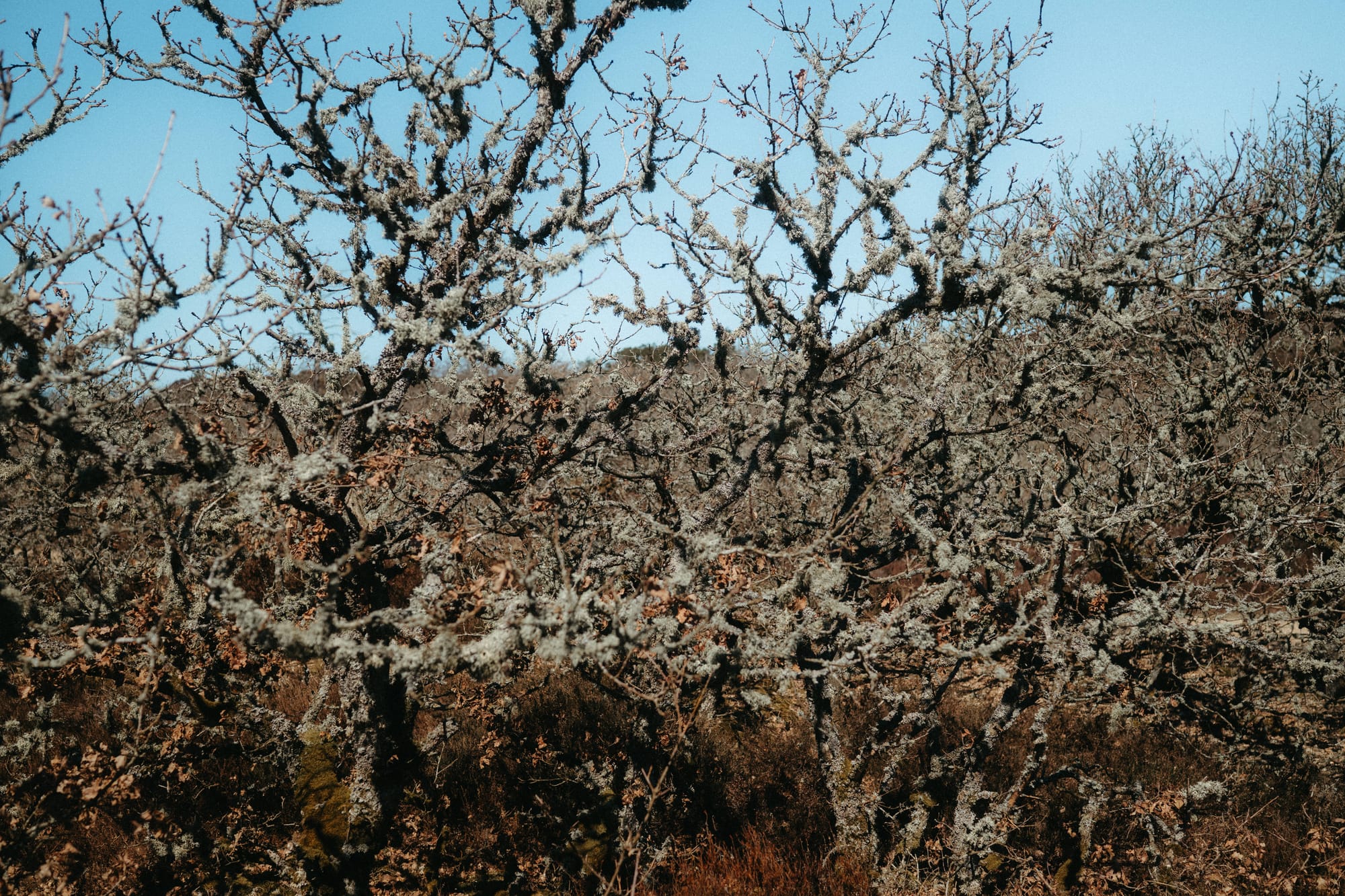
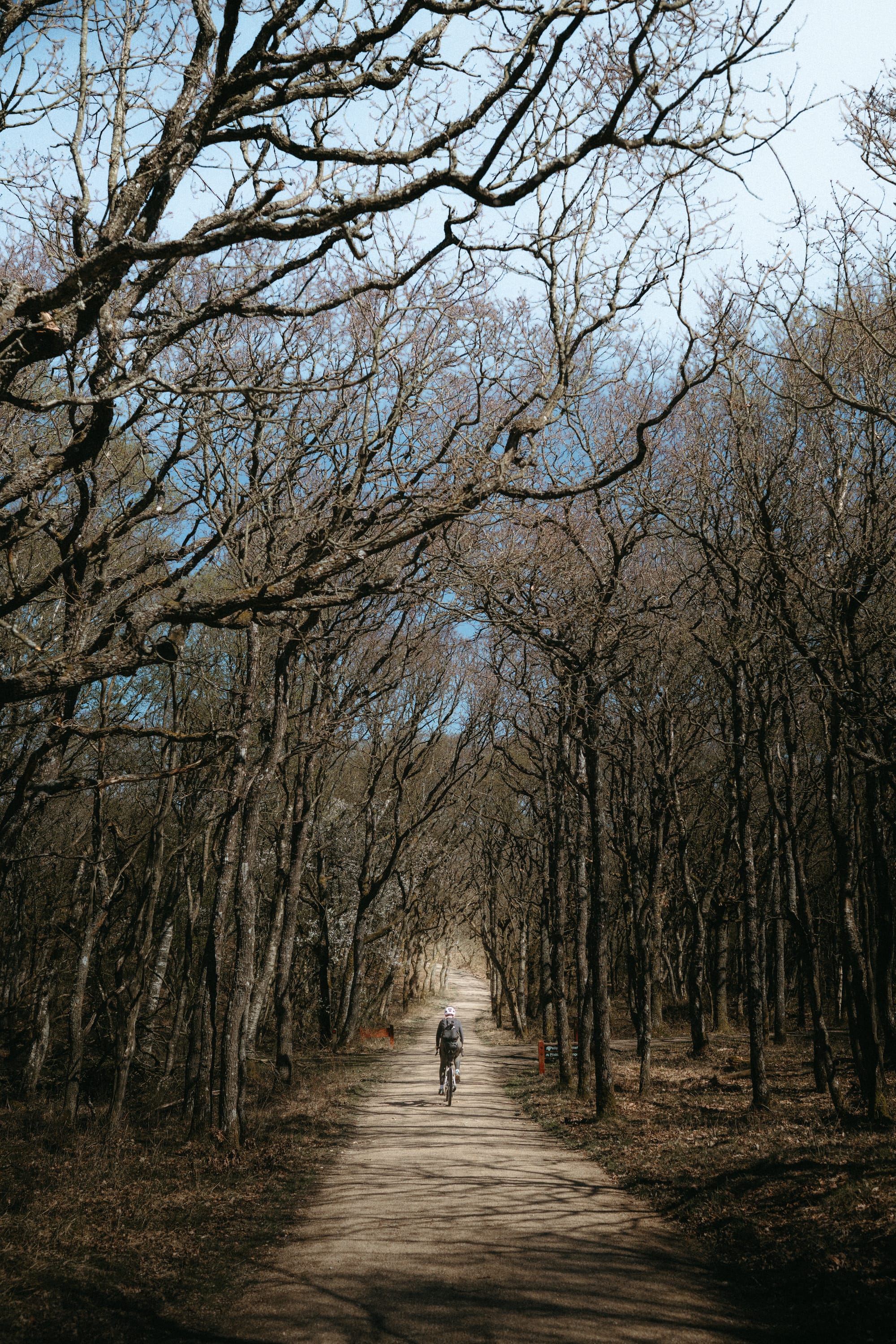
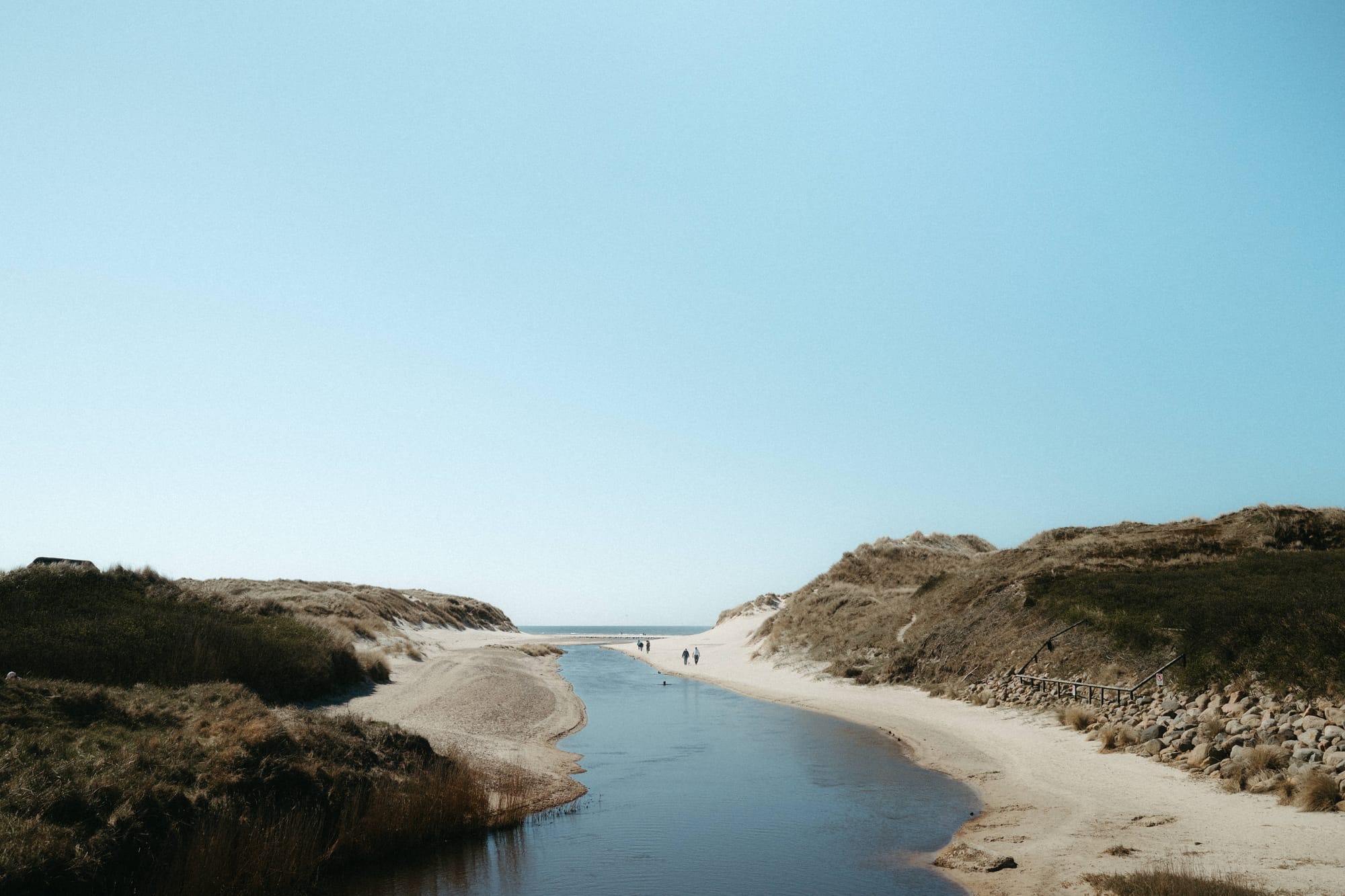
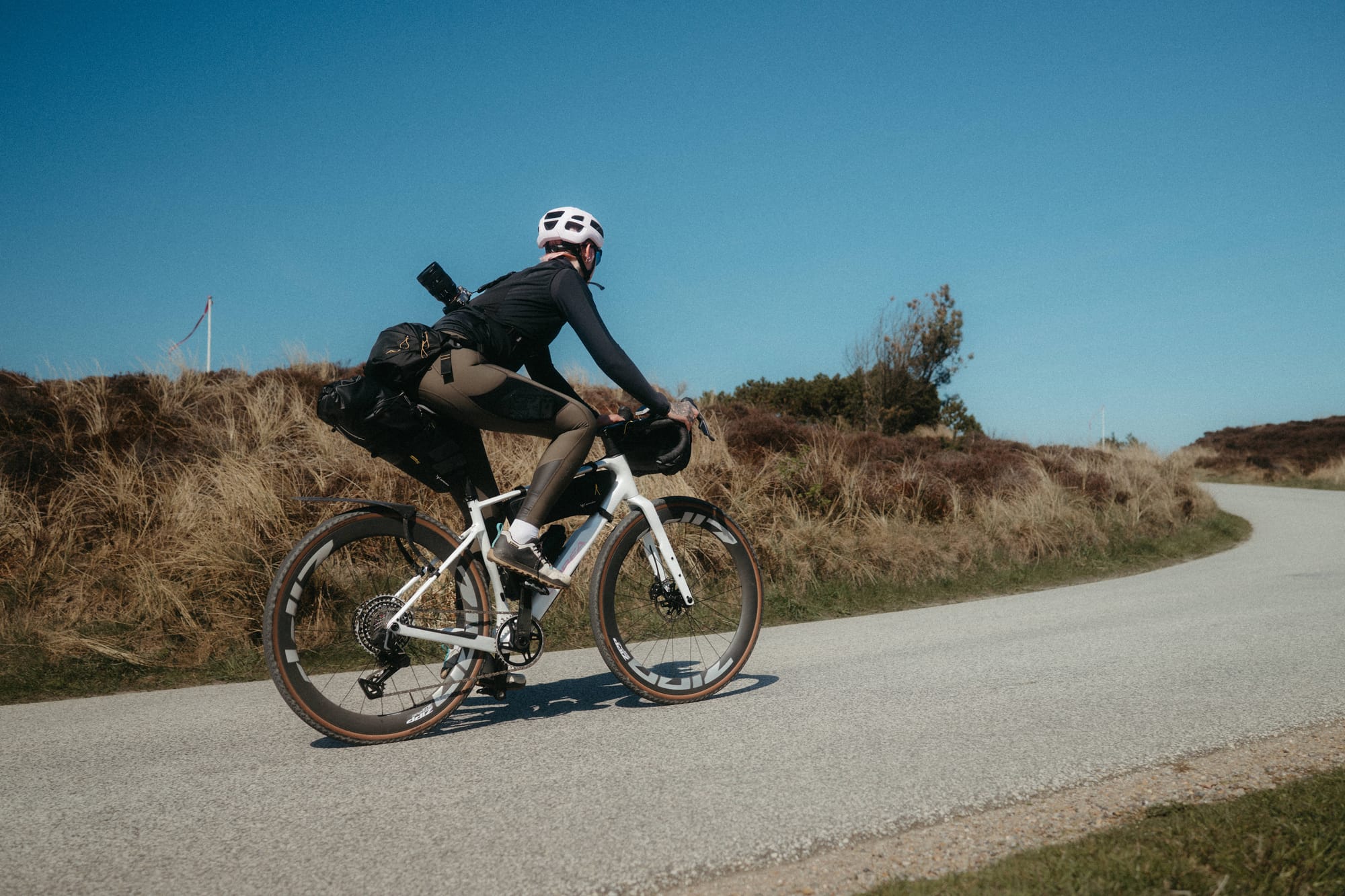
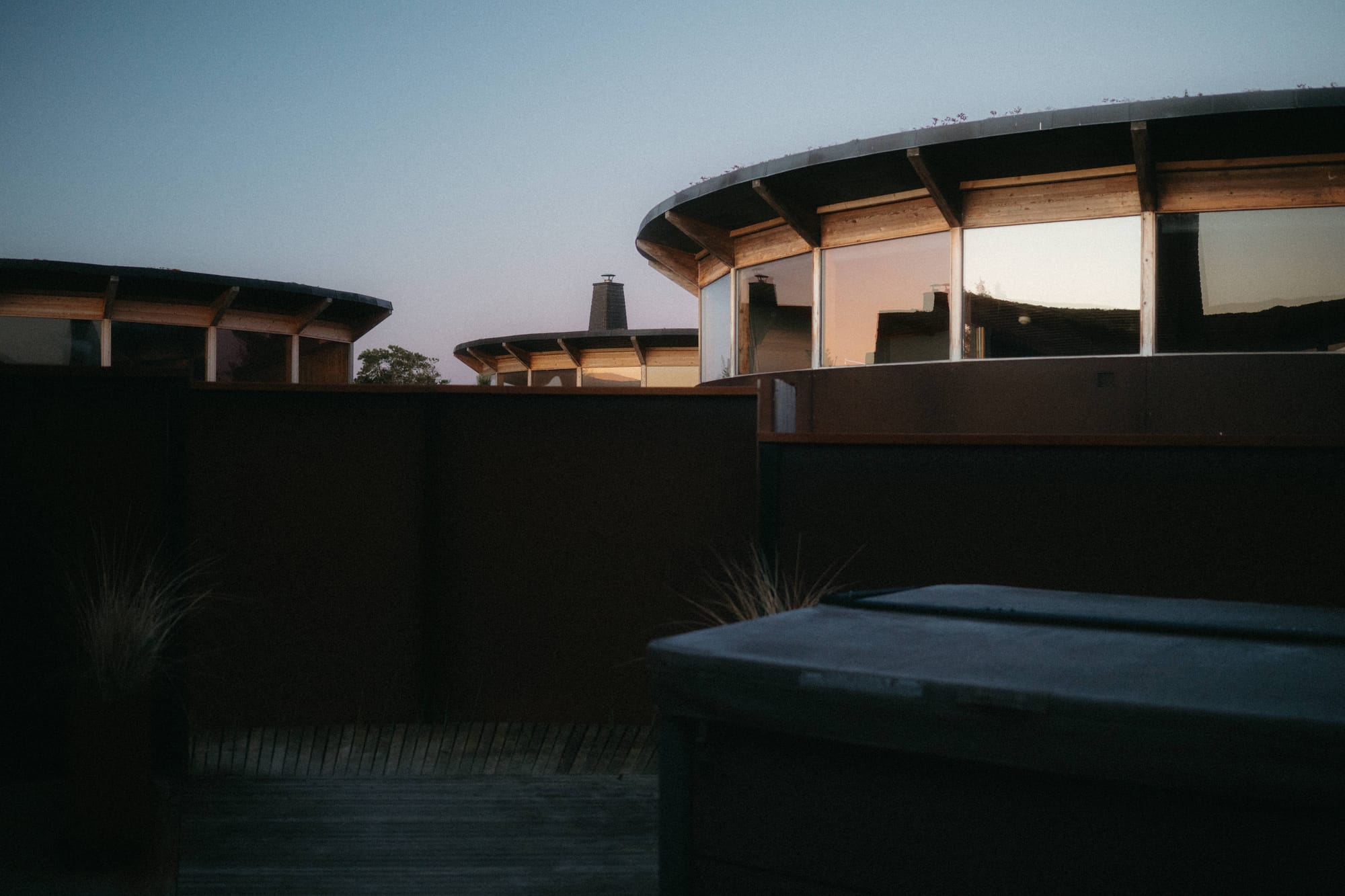
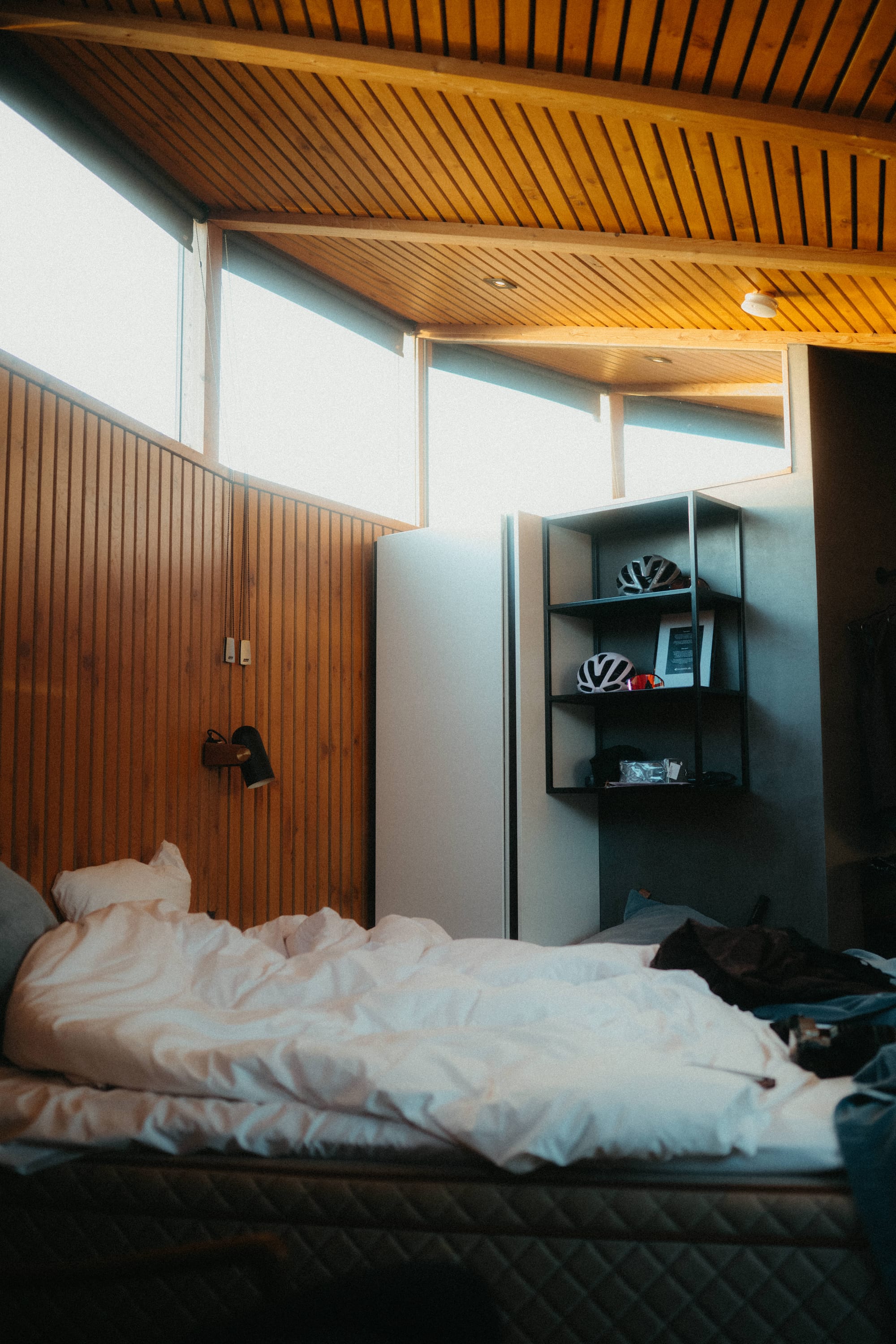
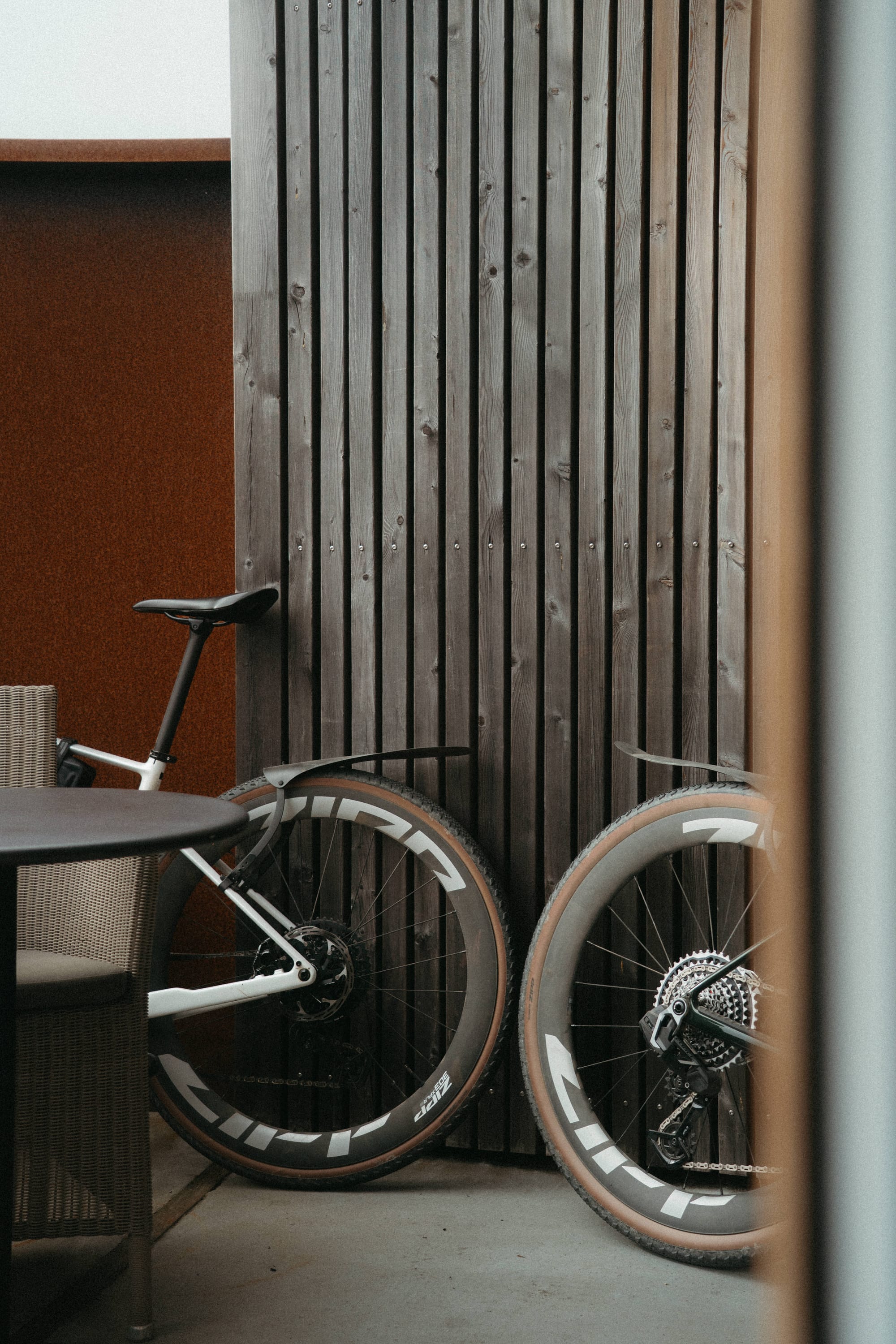
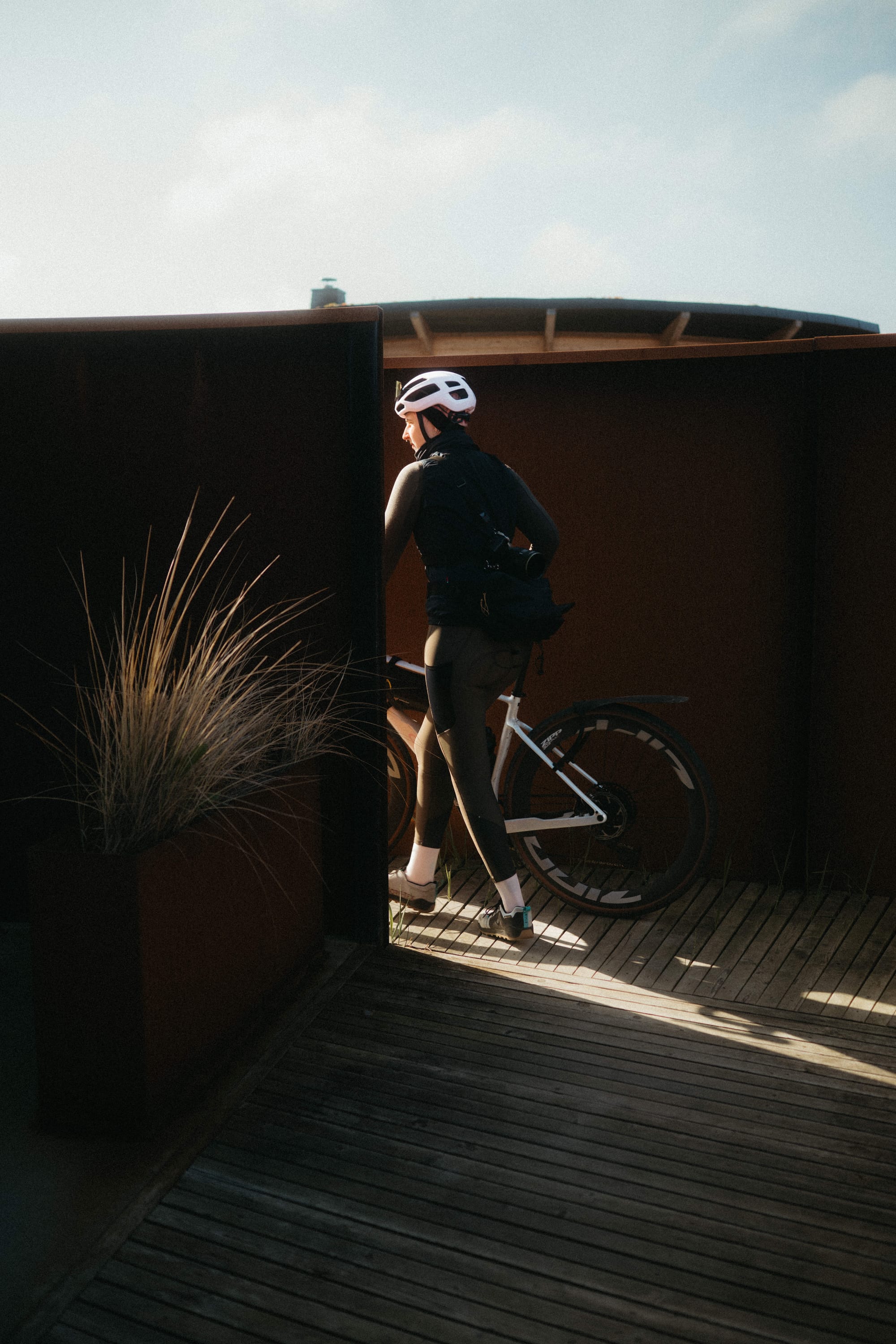
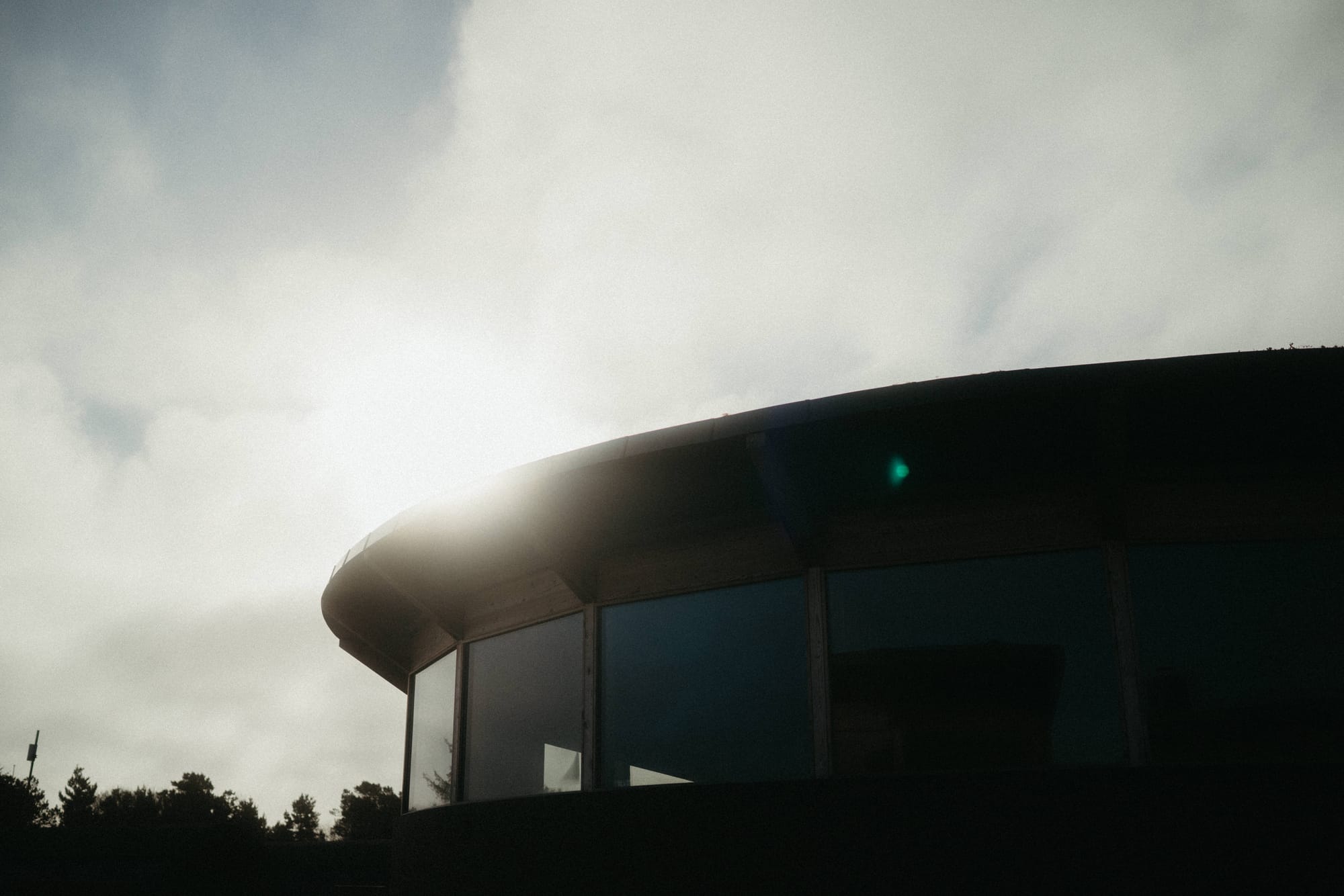
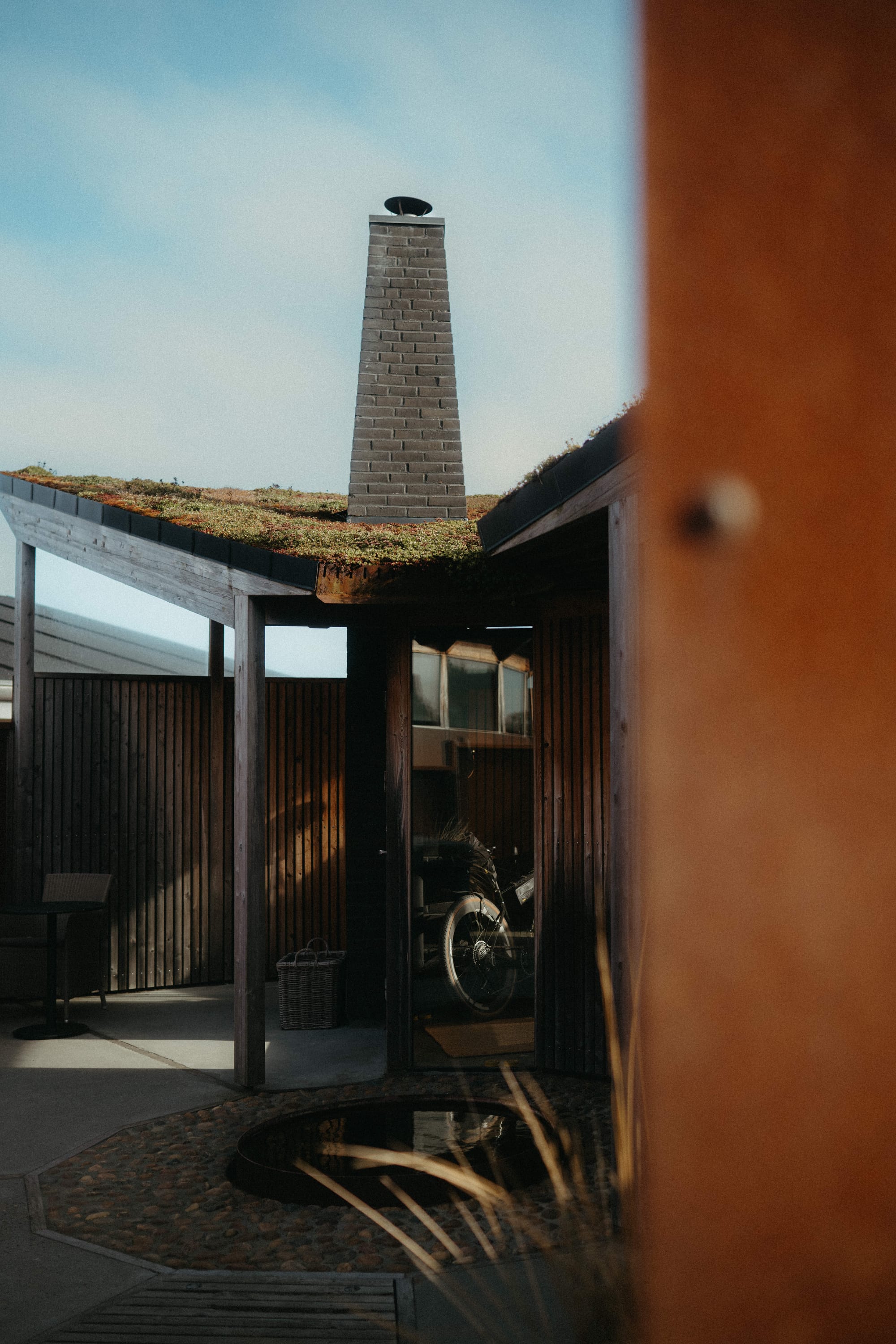
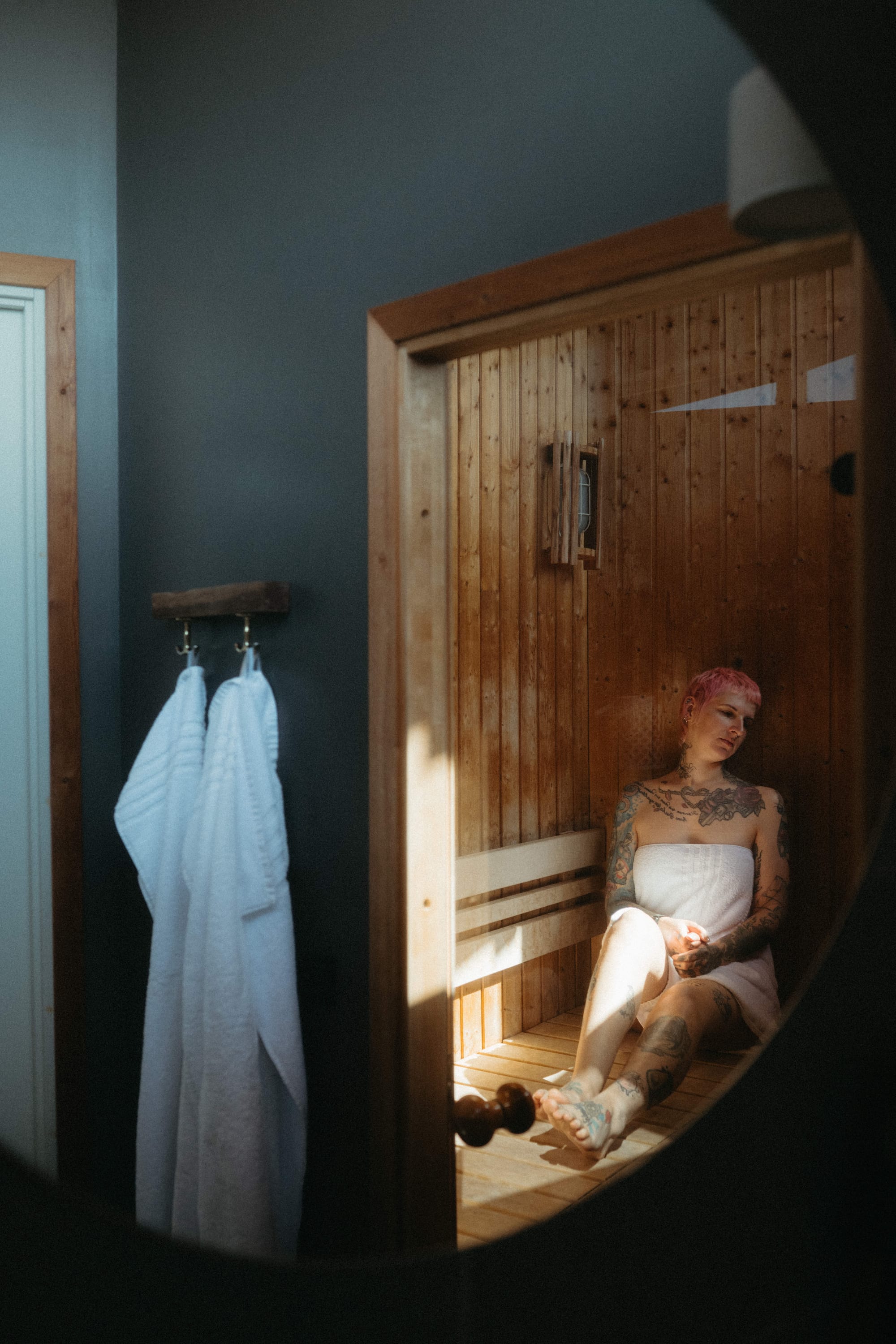
We were staying in one of the Lærkerede, private wooden cabins with an enclosed courtyard, a whirlpool, a sauna. Adults only, which on a cycling trip with tired legs means: quiet. Jana noticed the tableware immediately. High quality, very considered, very Danish. She has a better eye for these details than I do and she is usually right when she leads with them.
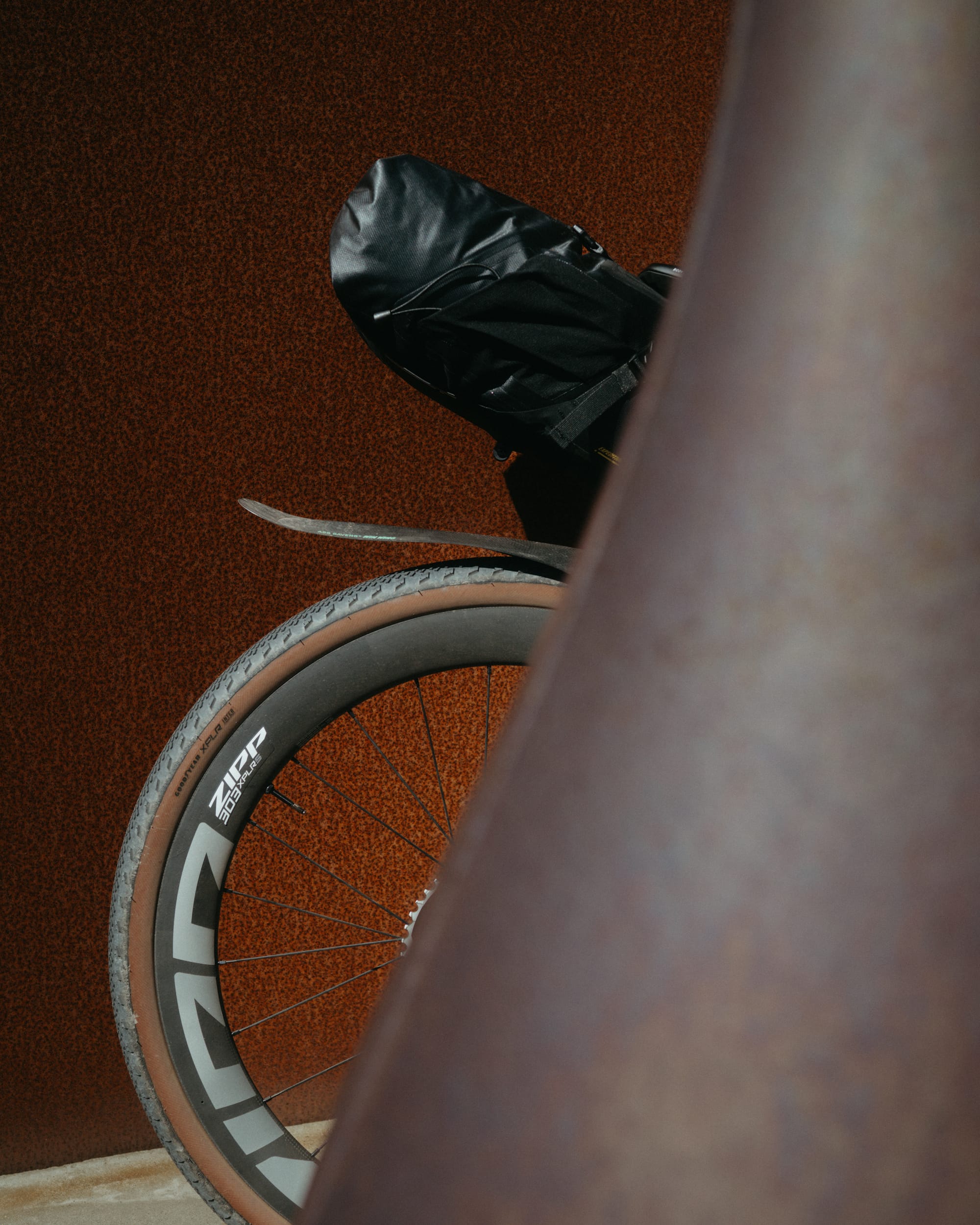
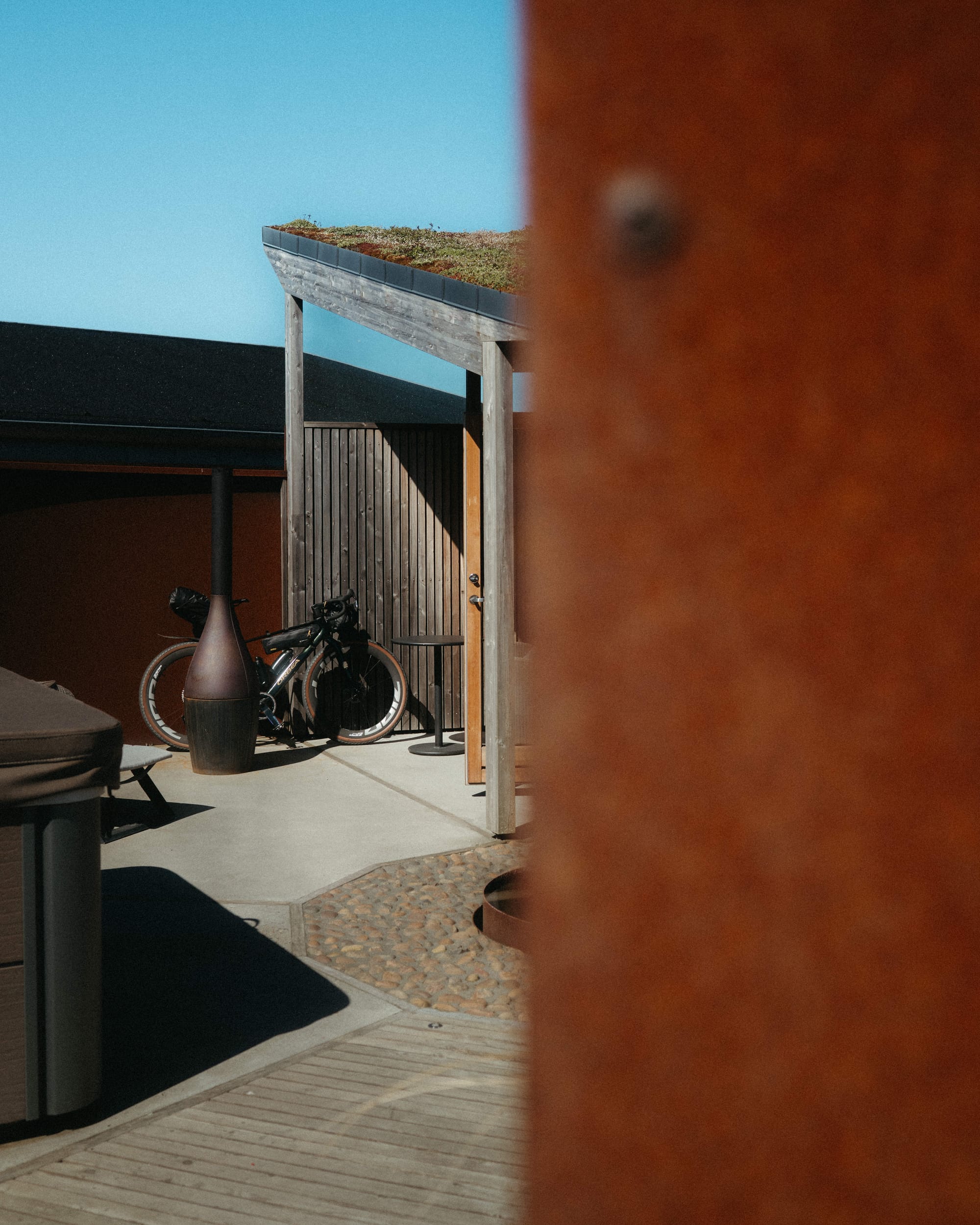
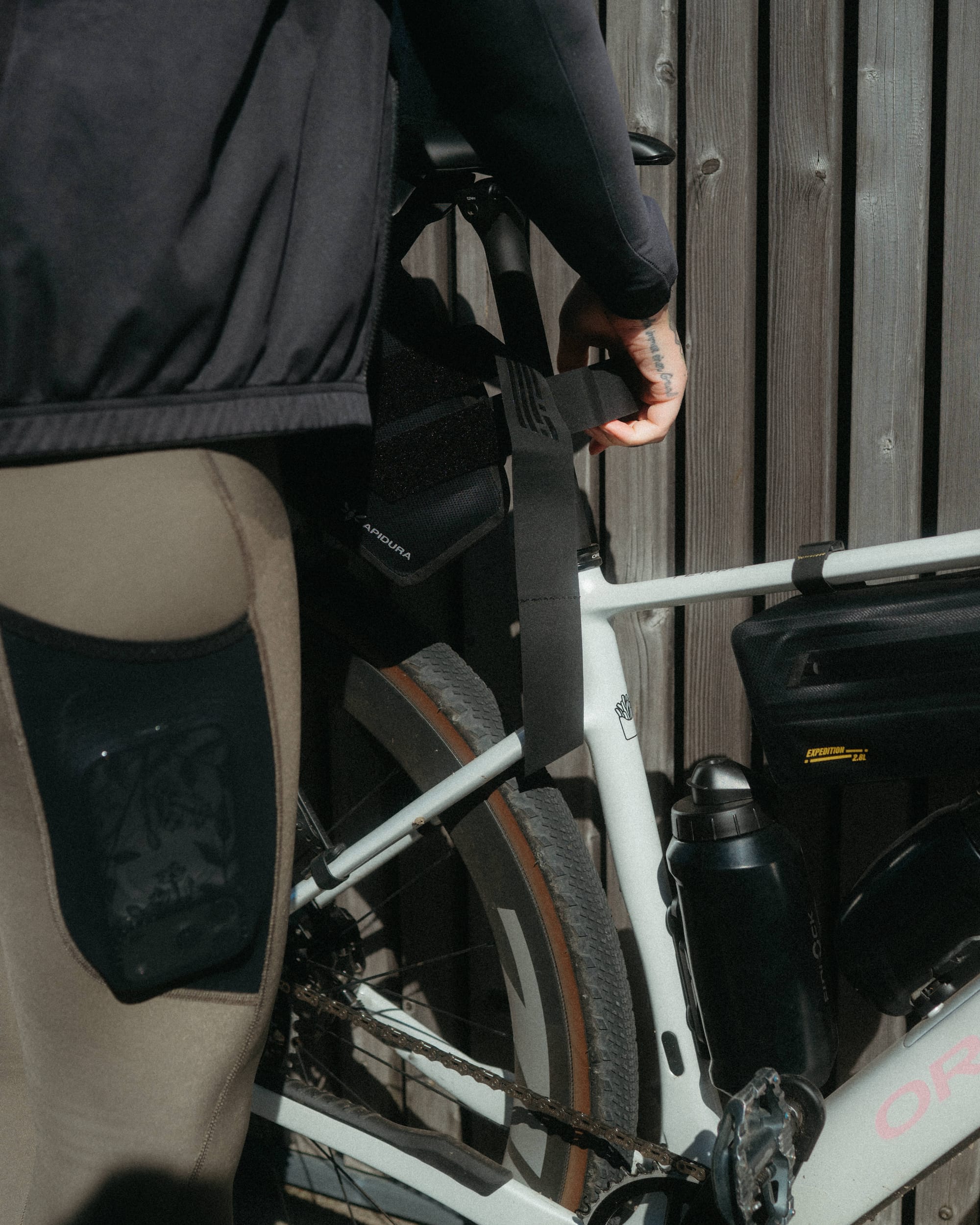
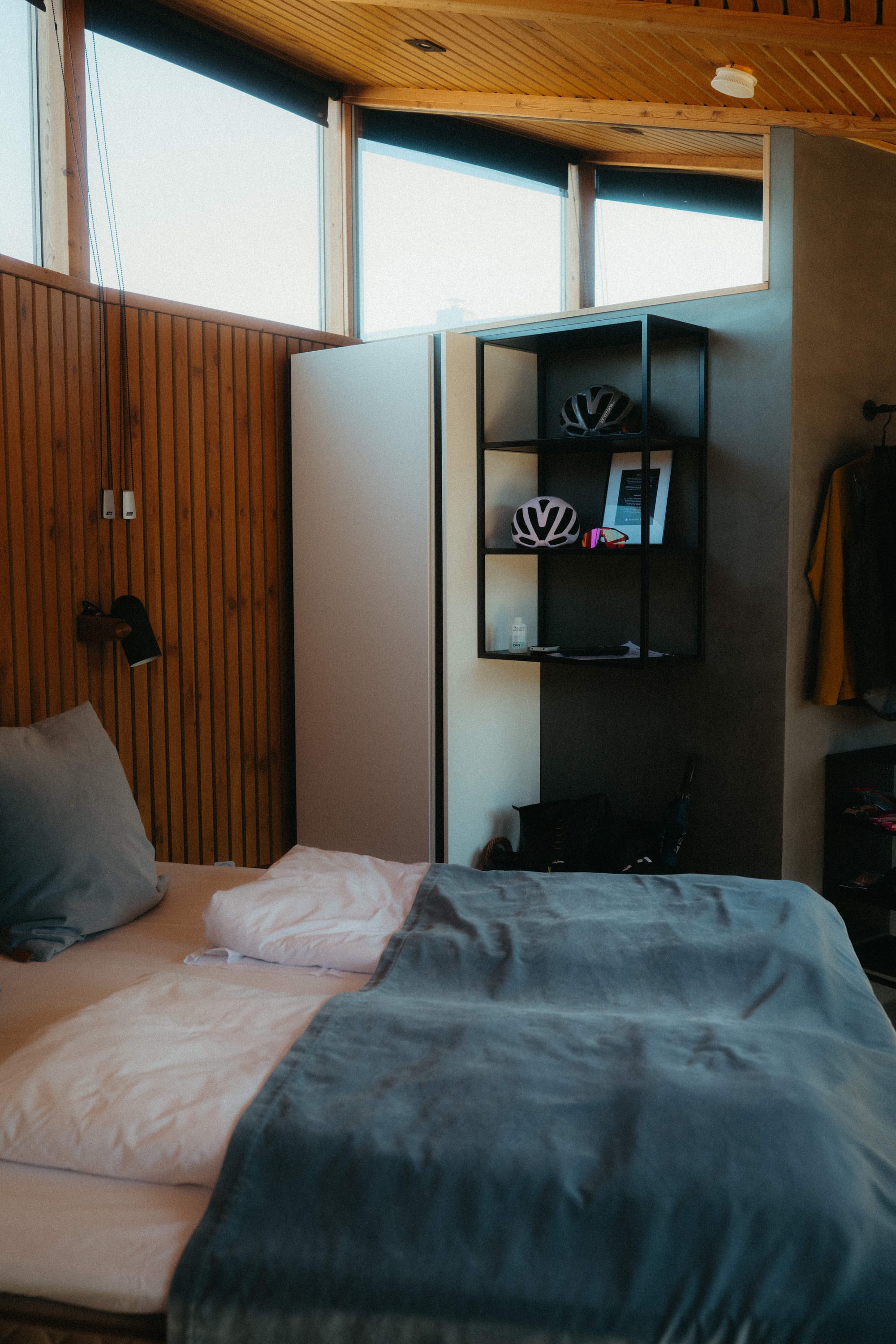
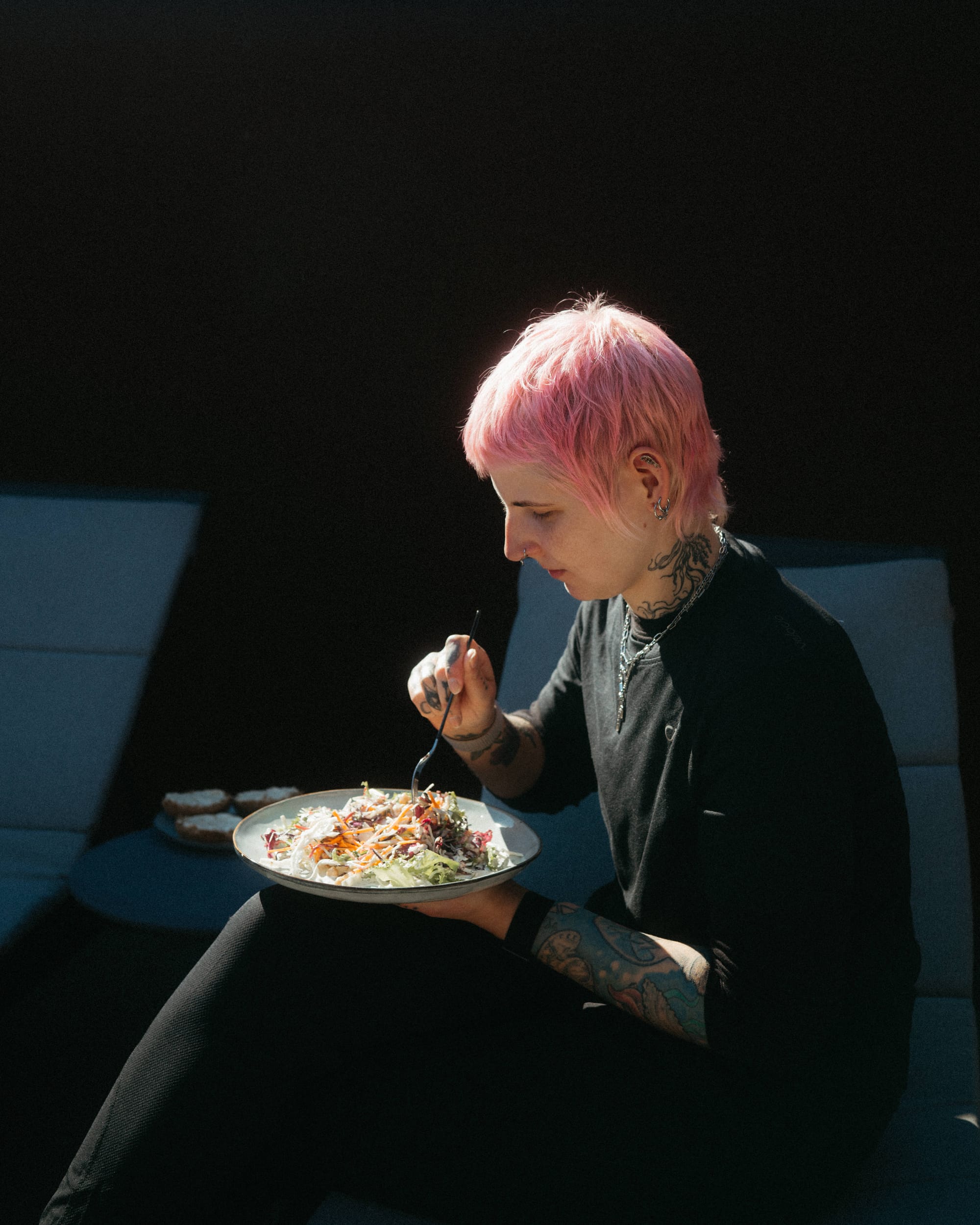
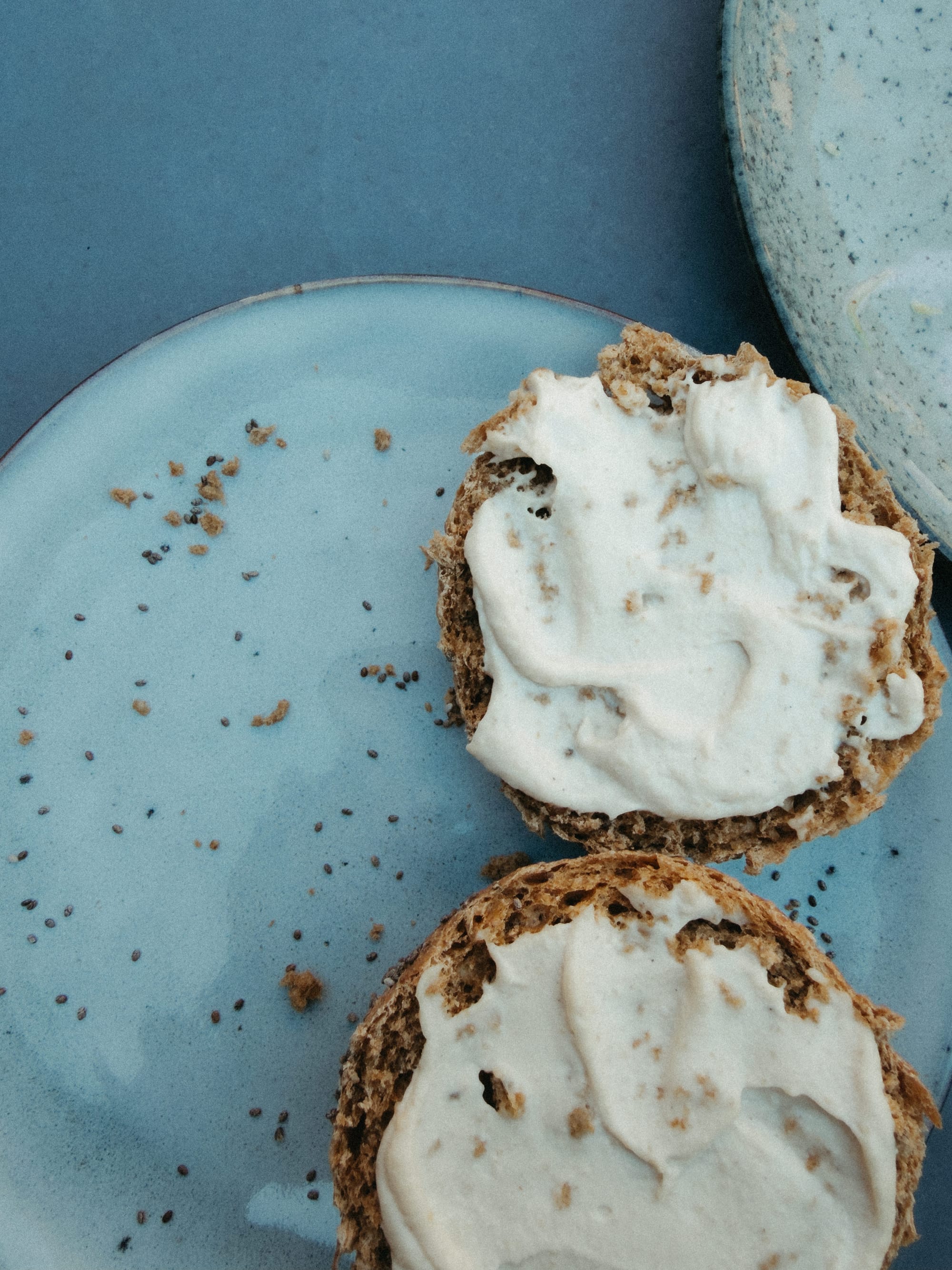
Jana went to the supermarket alone after we had checked in because I was sitting on the bed with my foot up trying to stay calm about it. She came back with groceries and did not make me feel like an idiot about the ankle. That is a kind of grace I notice every time.
That first evening, something moved near the small water feature in the courtyard. Jana grabbed my arm.
A fox. Standing there drinking, completely unbothered, like he had done this every evening for years, which it turned out he probably had. The resort warns guests about the foxes in their information materials.
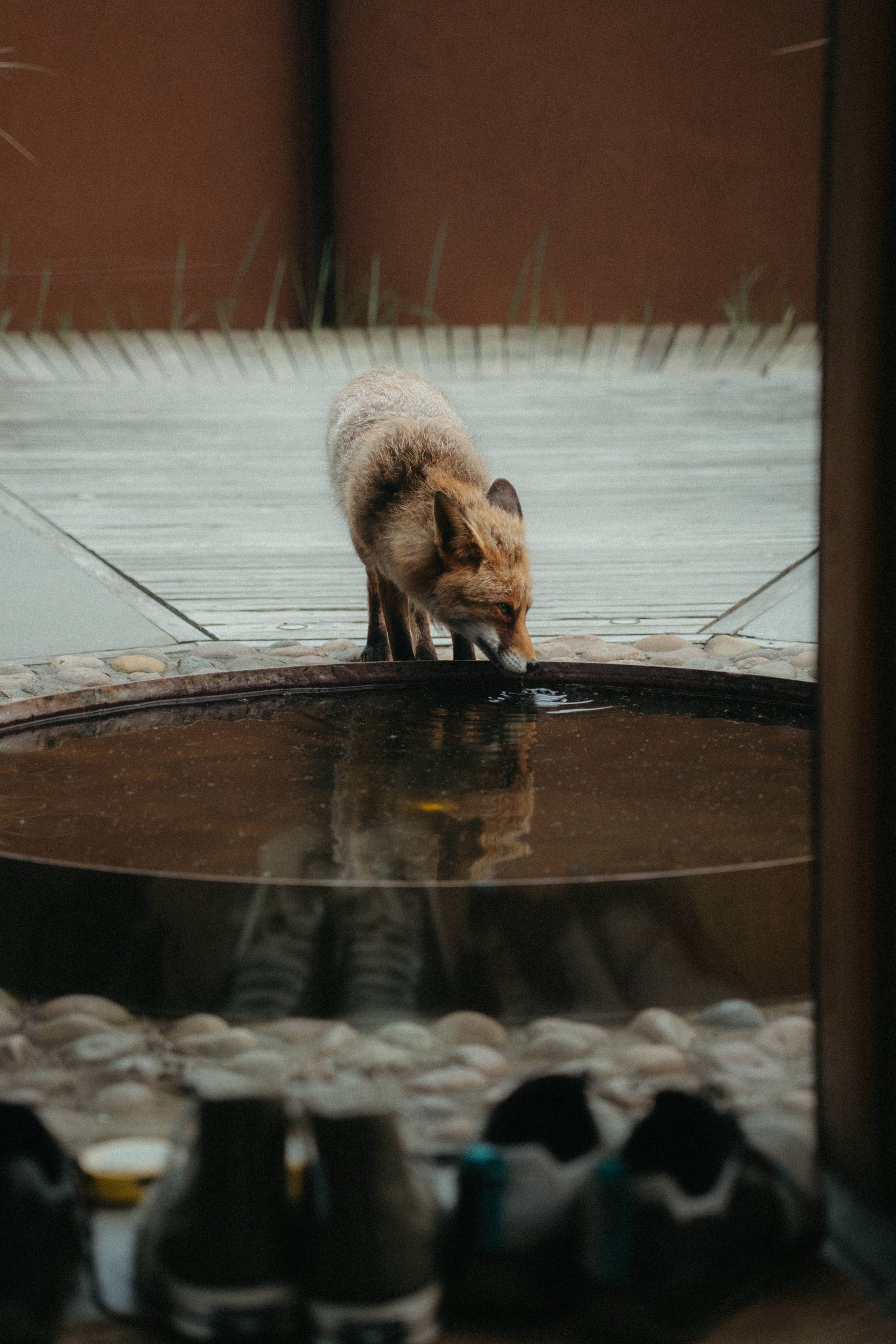
We sat there not saying anything for longer than was probably very dignified. We had been carrying that list for years without knowing we were carrying it. Now it was one shorter, and it felt exactly as good as the ones you actually write down. Tell us we're the only ones who would just sit there.
He came back every day after that.
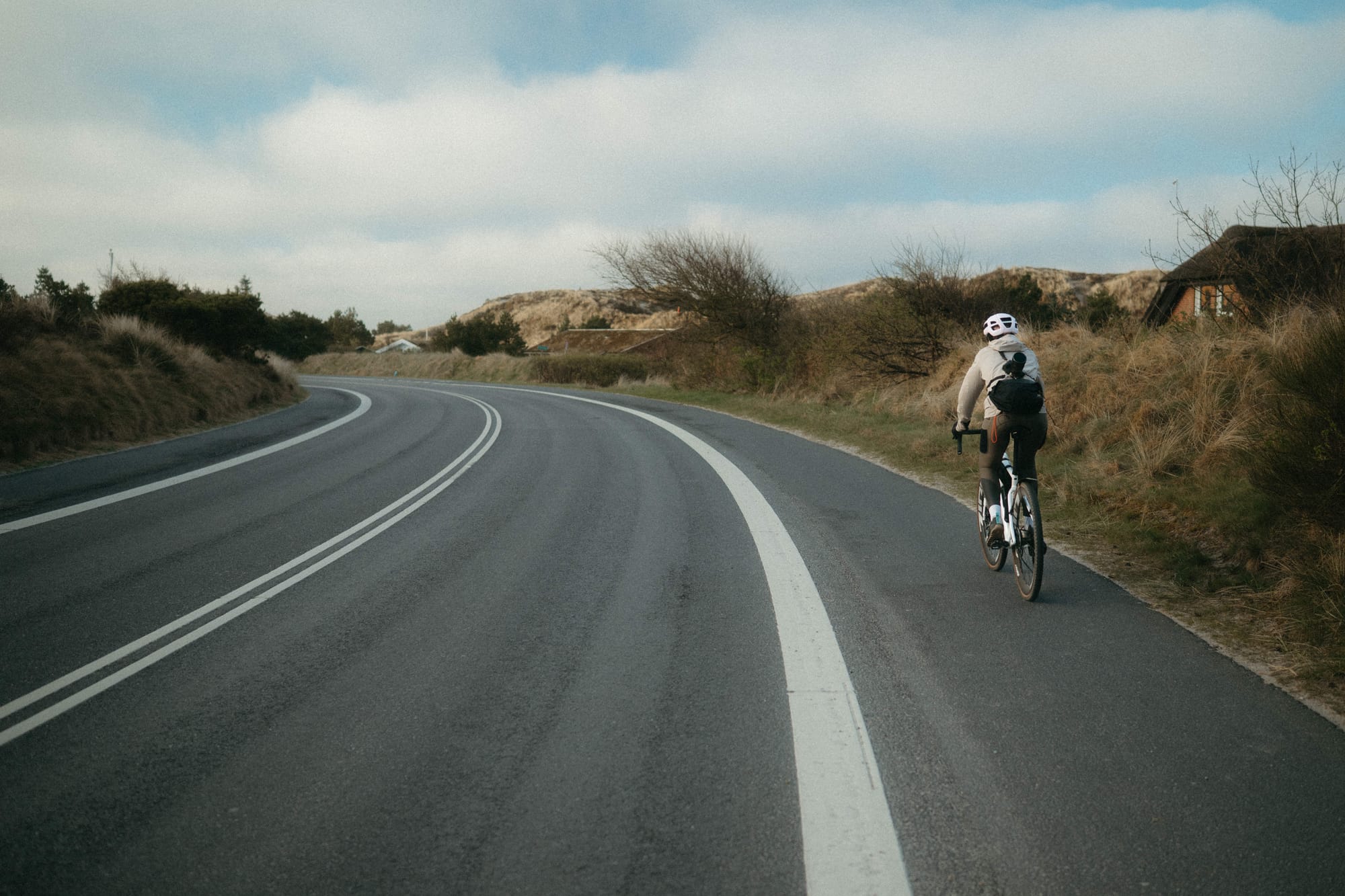
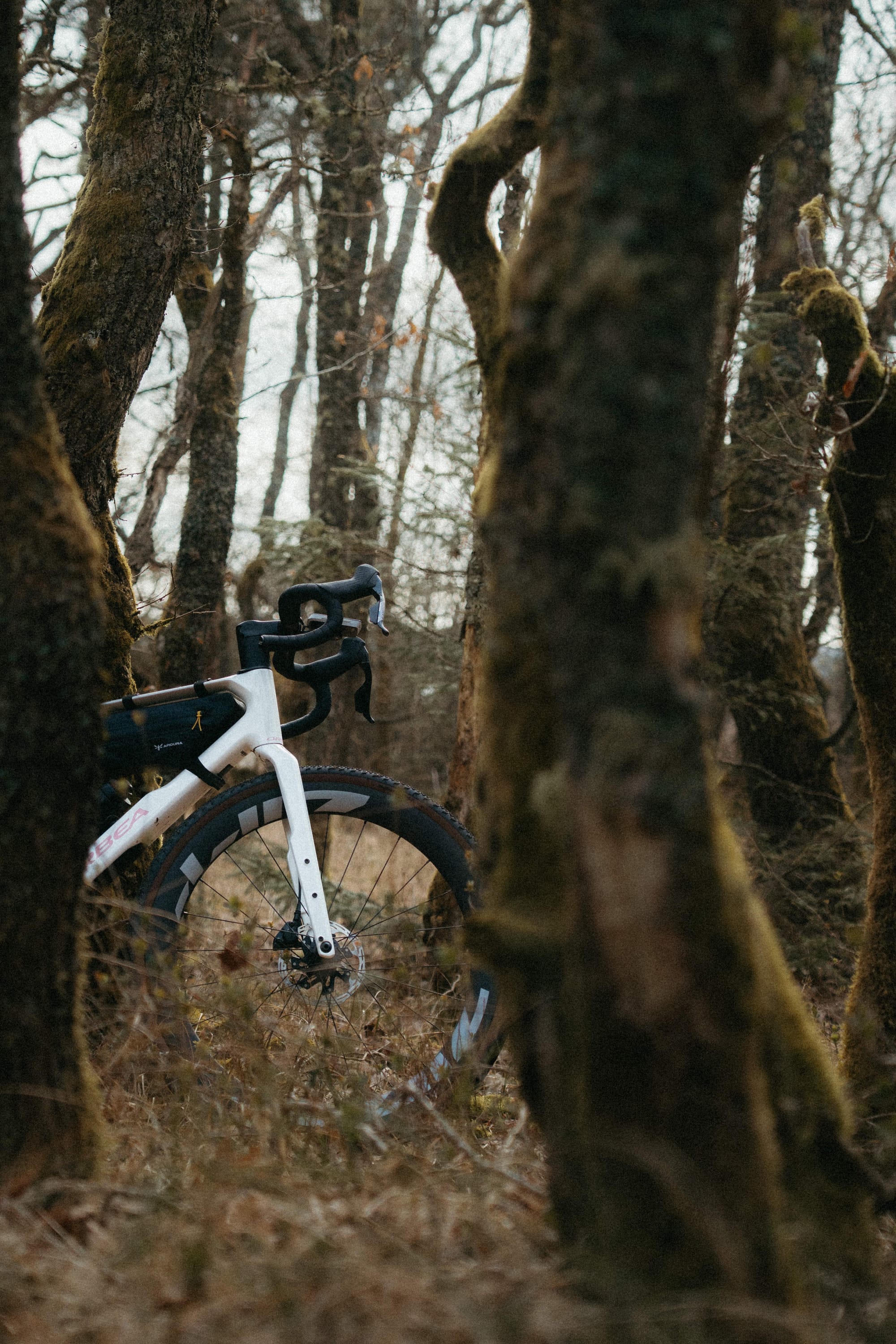
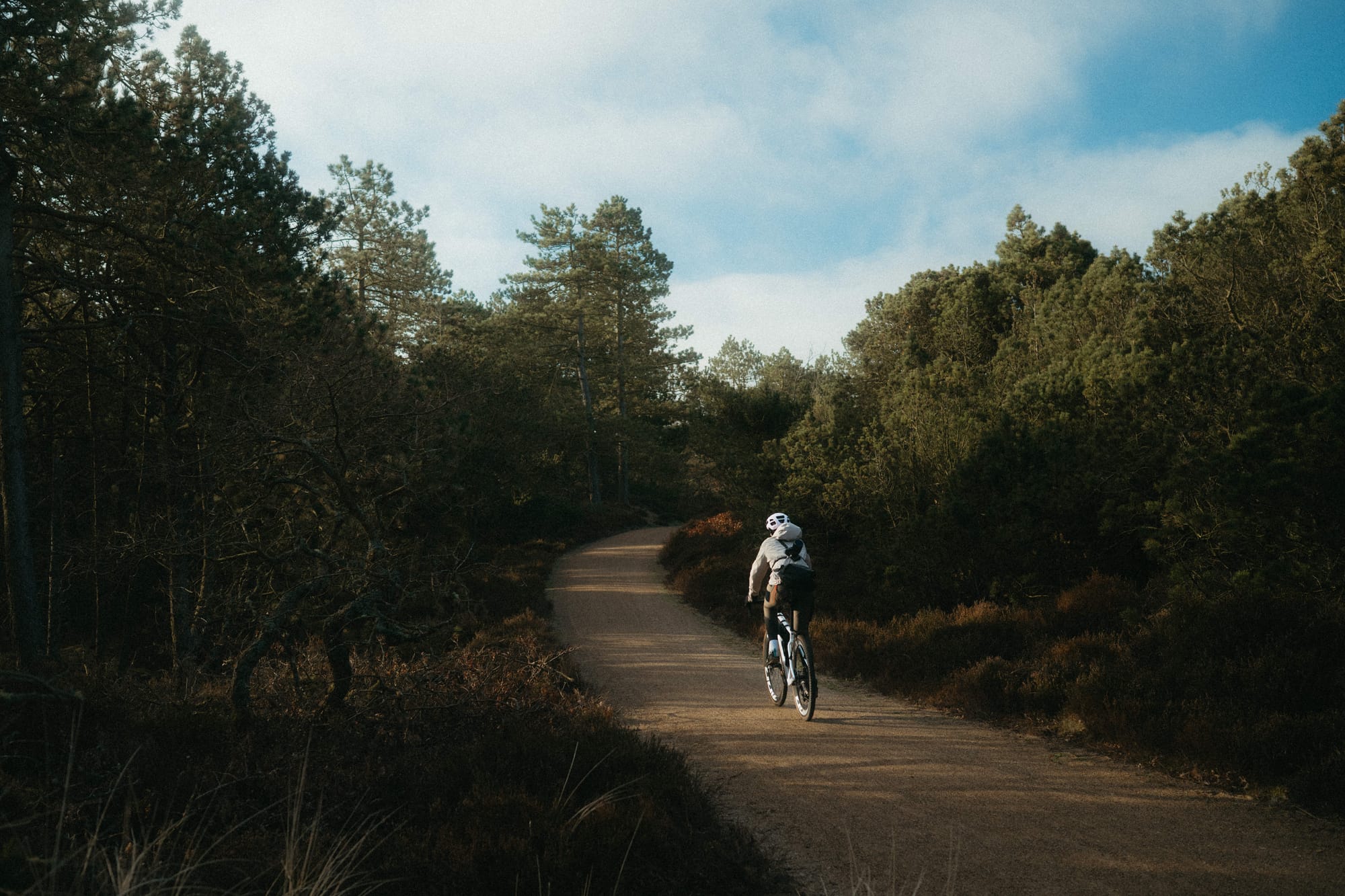
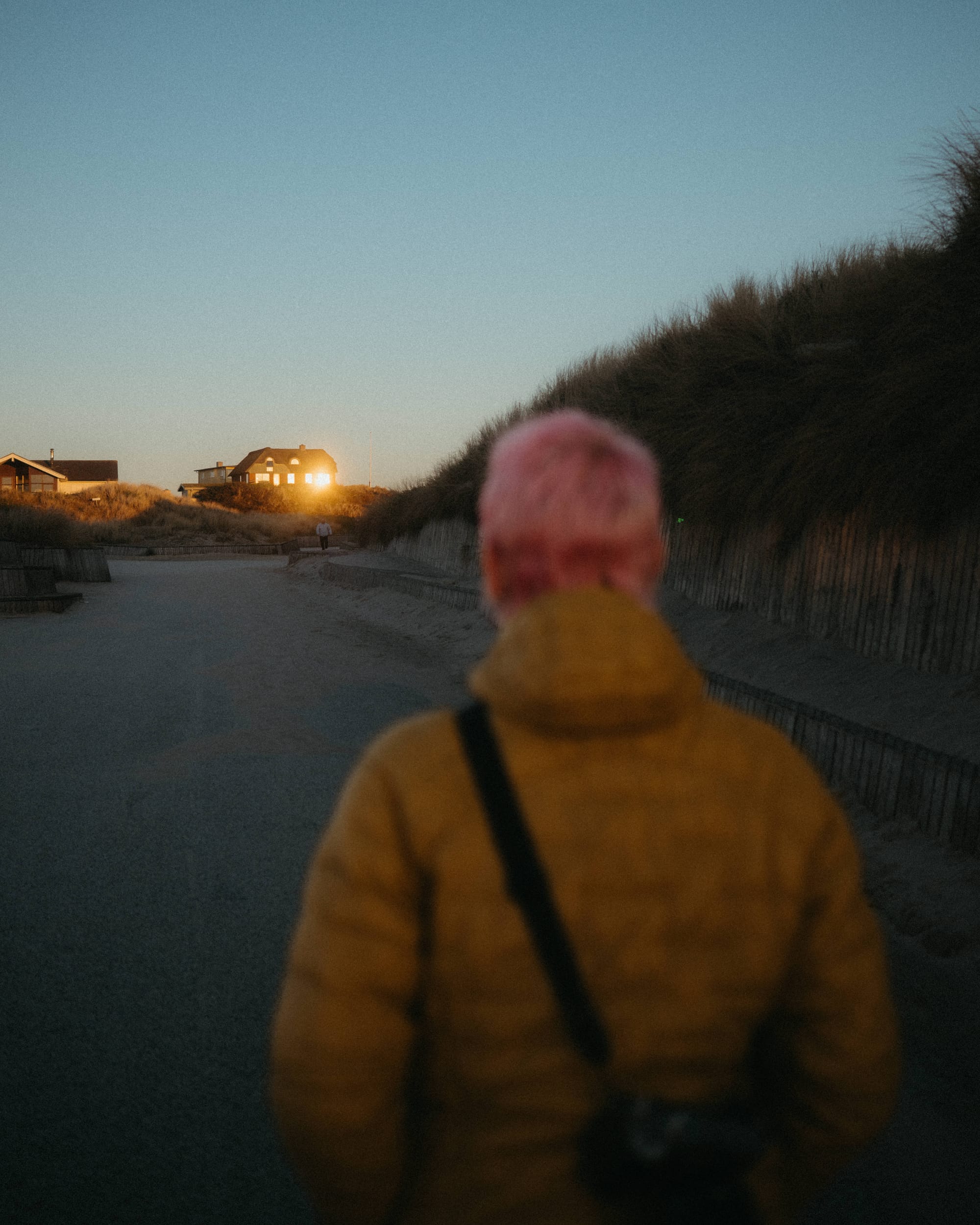
Day two was the big ride. Blåvandshuk, Denmark's westernmost point. We left early into fog and warm morning light, the kind of morning that makes everything look like someone composed it. The route takes you through terrain that earns its reputation: real cycling paths that roll and curve through changing landscape, the kind of riding where you forget to check the time.
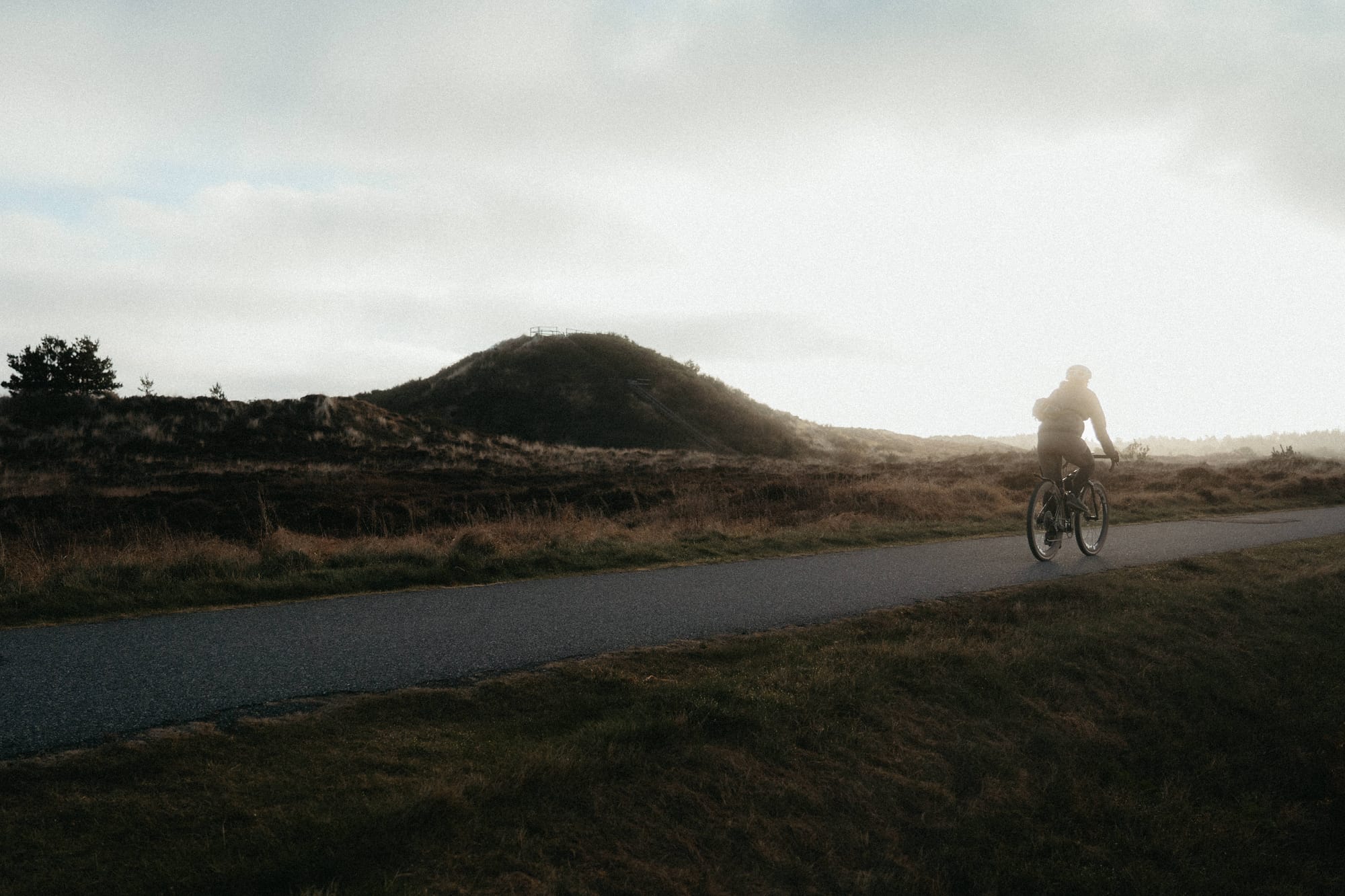
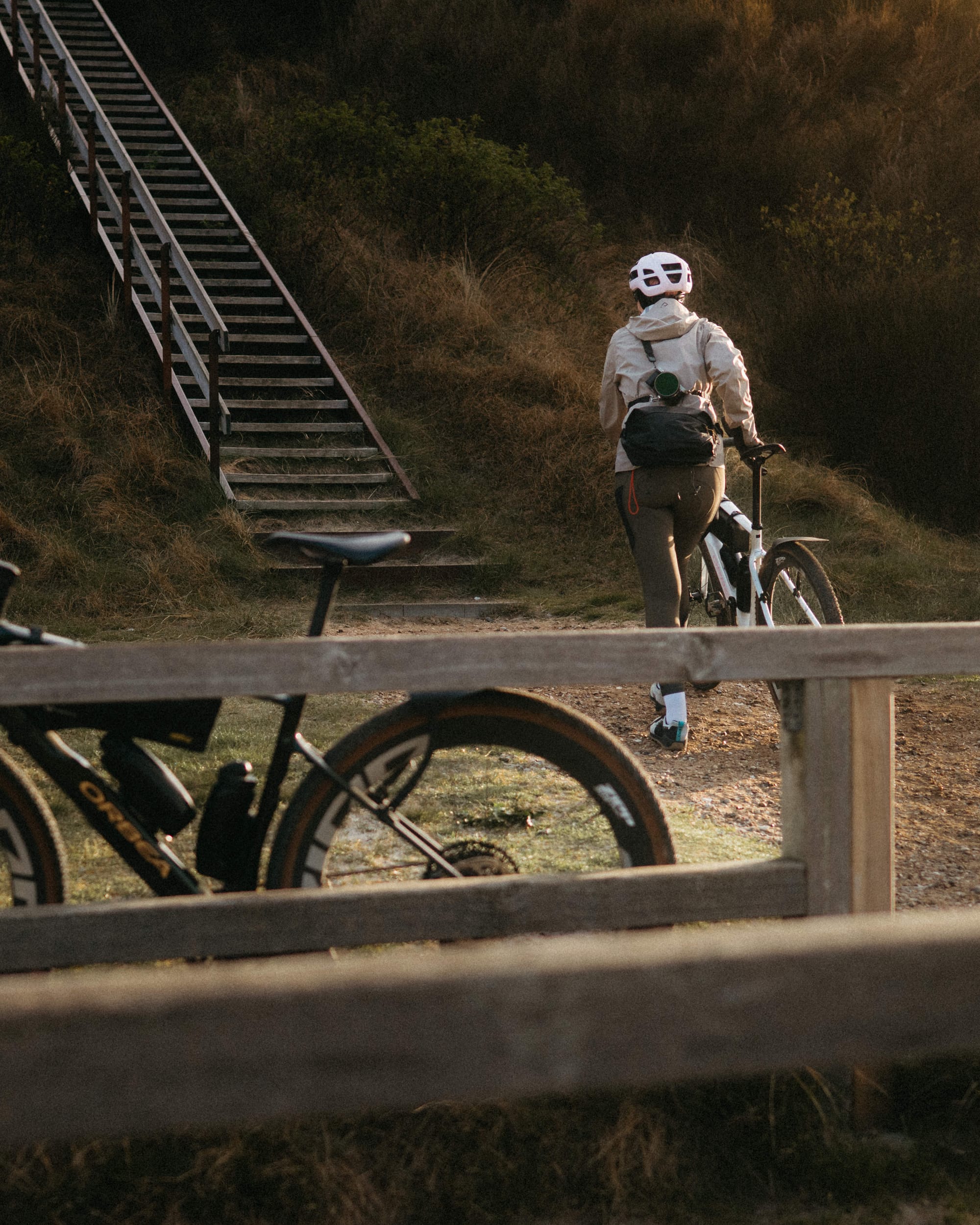
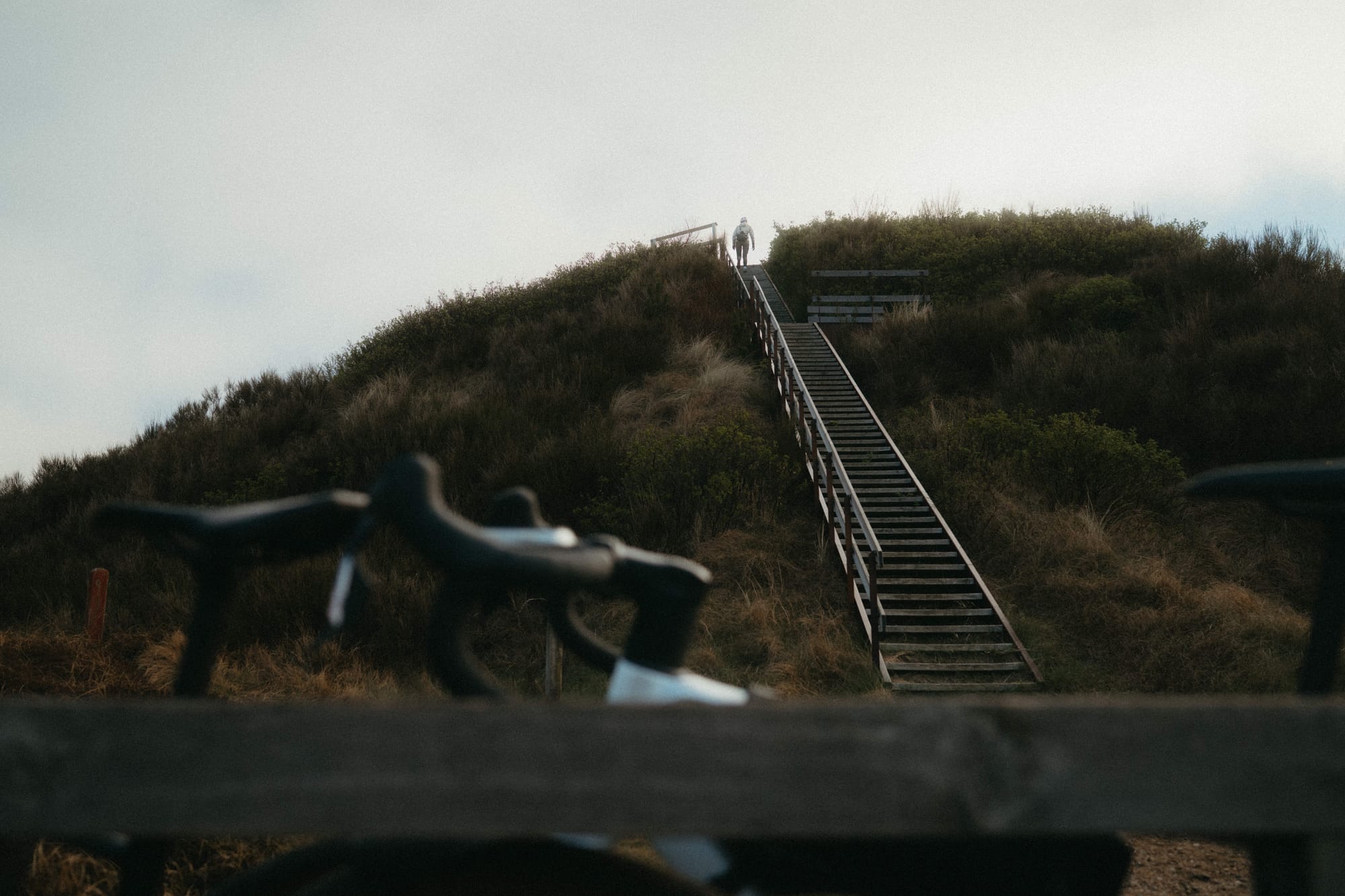
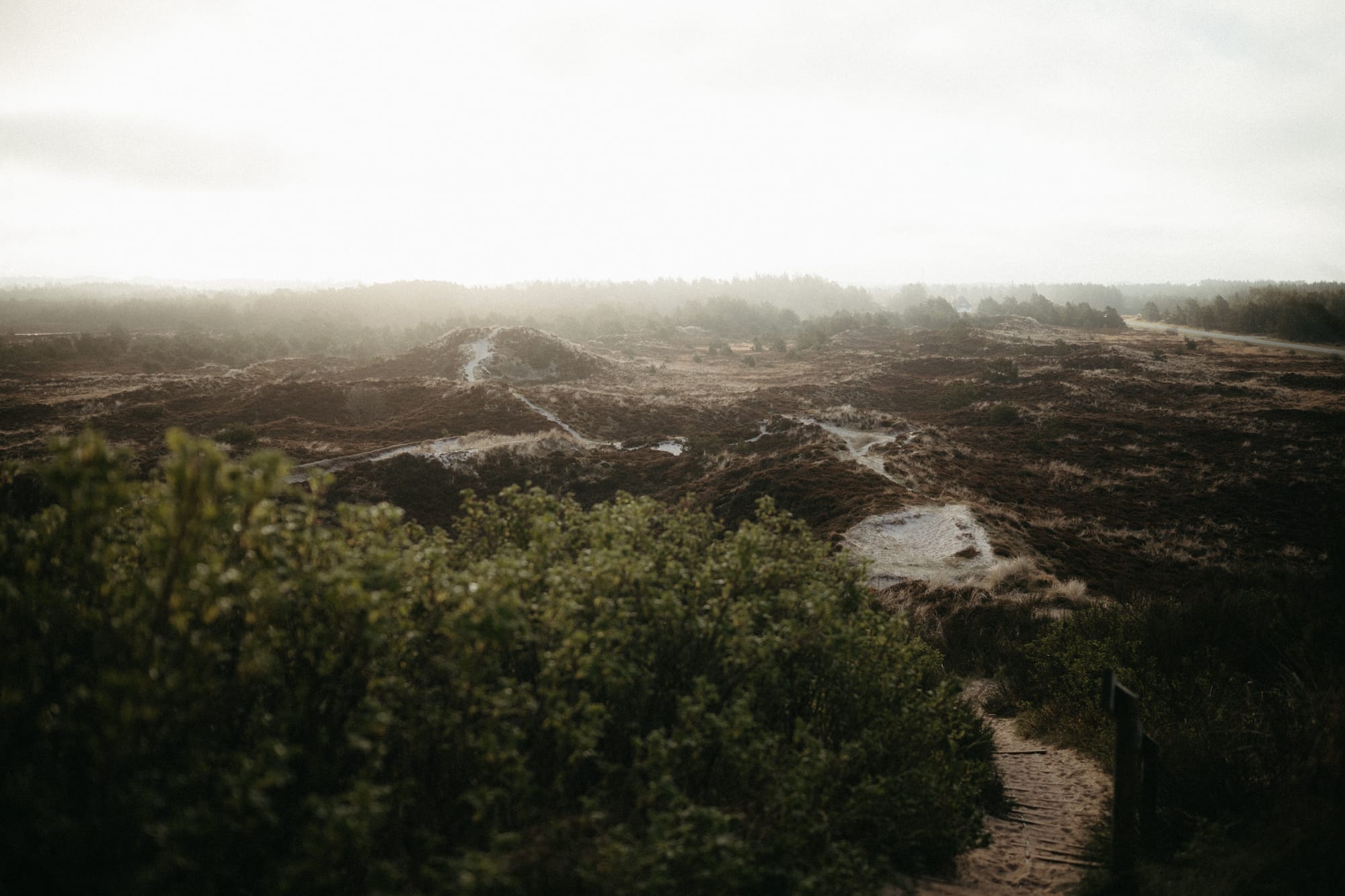
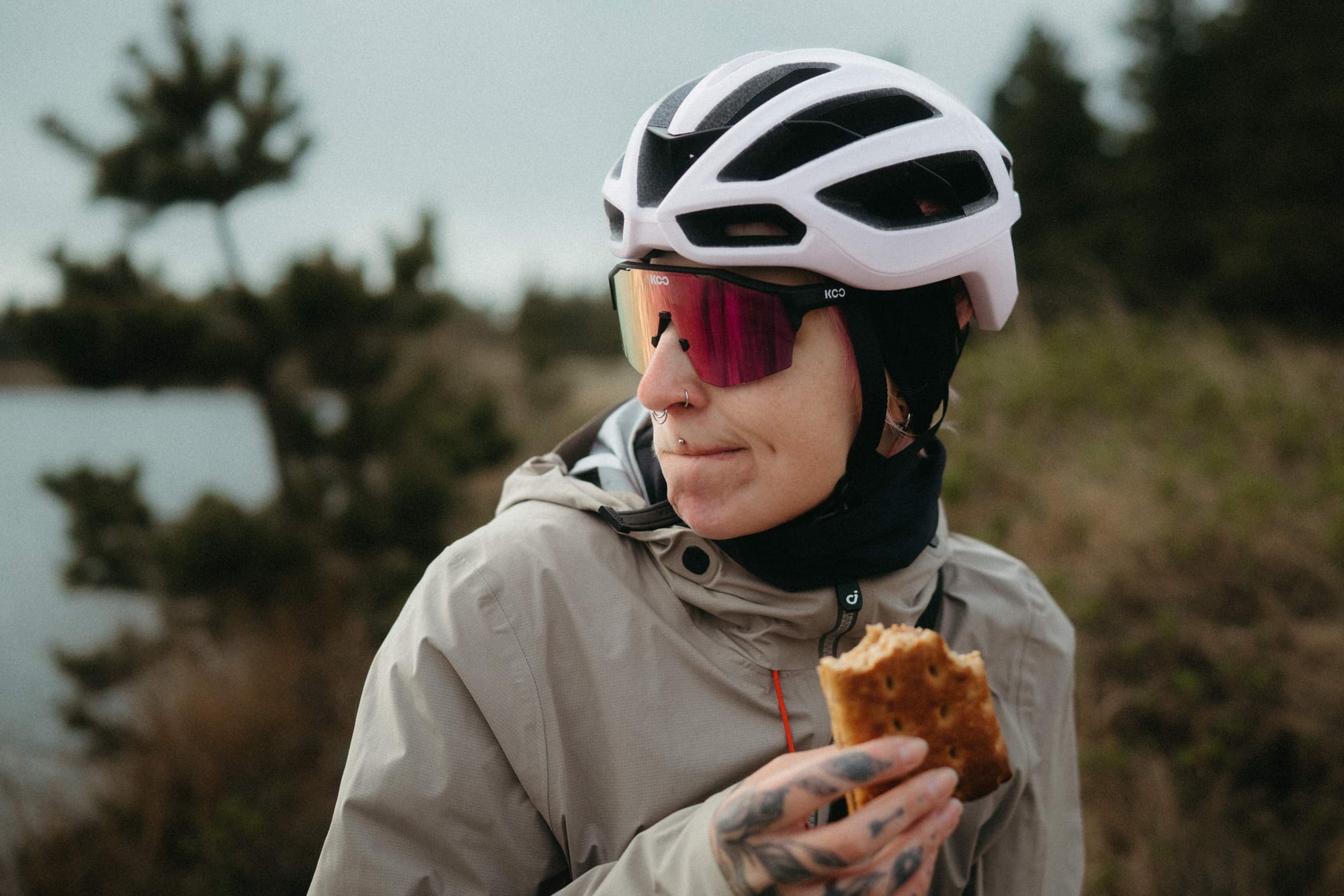
Then the military area.
We stopped to ask a soldier studying a map whether our planned route was passable. He thought for a moment. "Should be okay," he said. We thanked him and rode on. We saw more soldiers later, and more vehicles. Jana spotted three men in camouflage sitting practically at arm's reach in the undergrowth beside the path, watching us. I had still been on the bike at that point, talking out loud about needing to pee. Jana had already talked me out of trying it there. The timing of that decision, in retrospect, was excellent. Jana should get full credit.
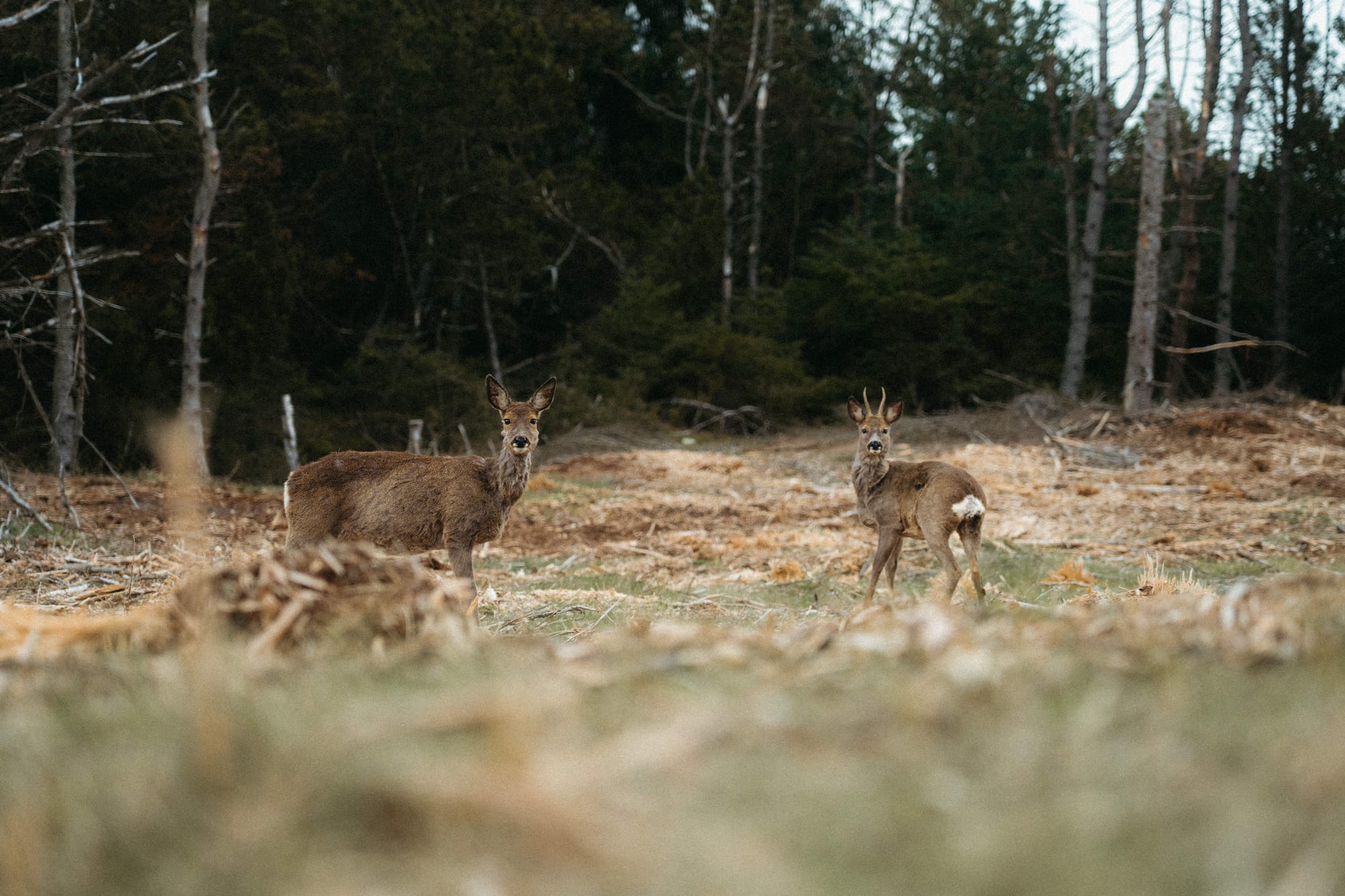
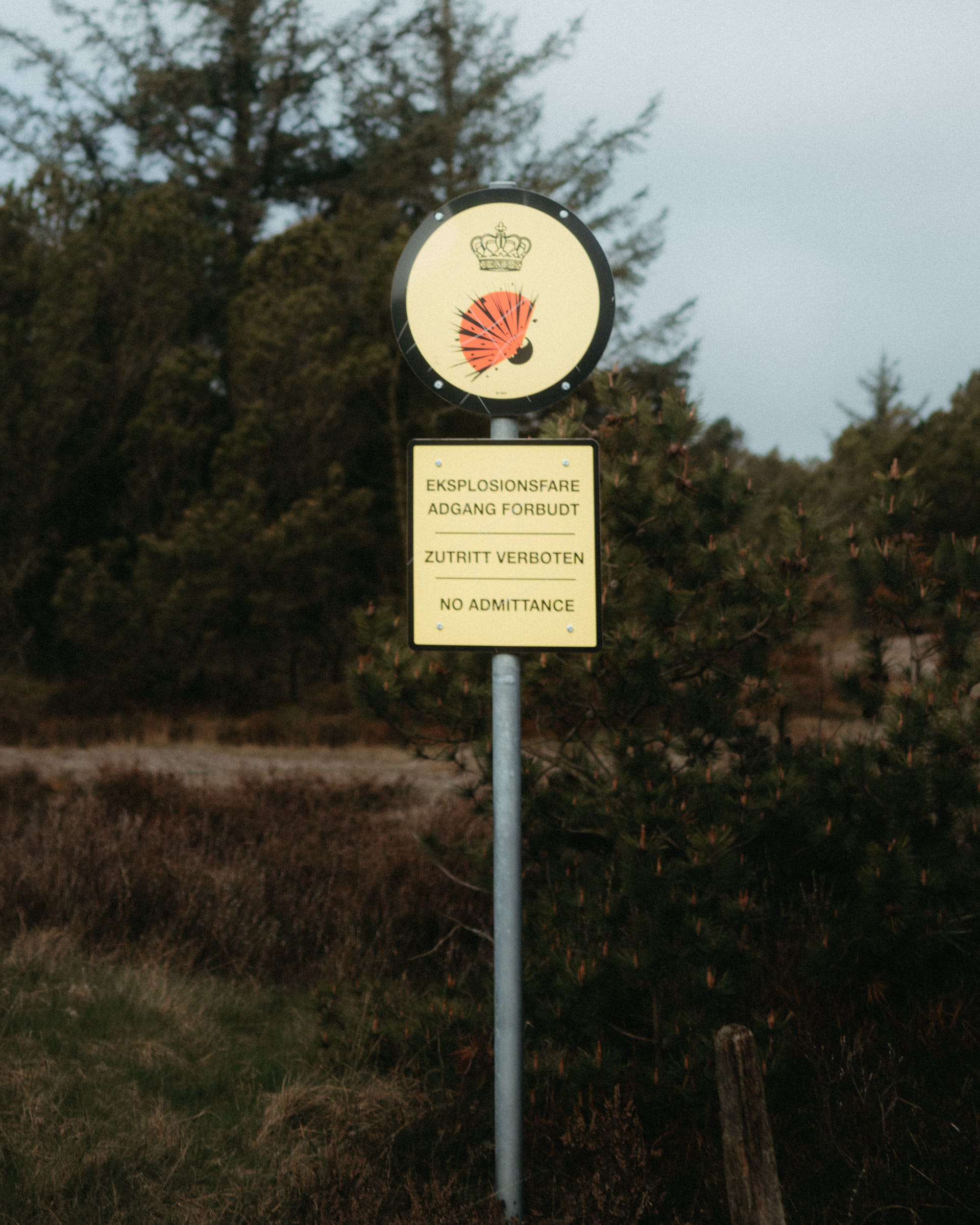
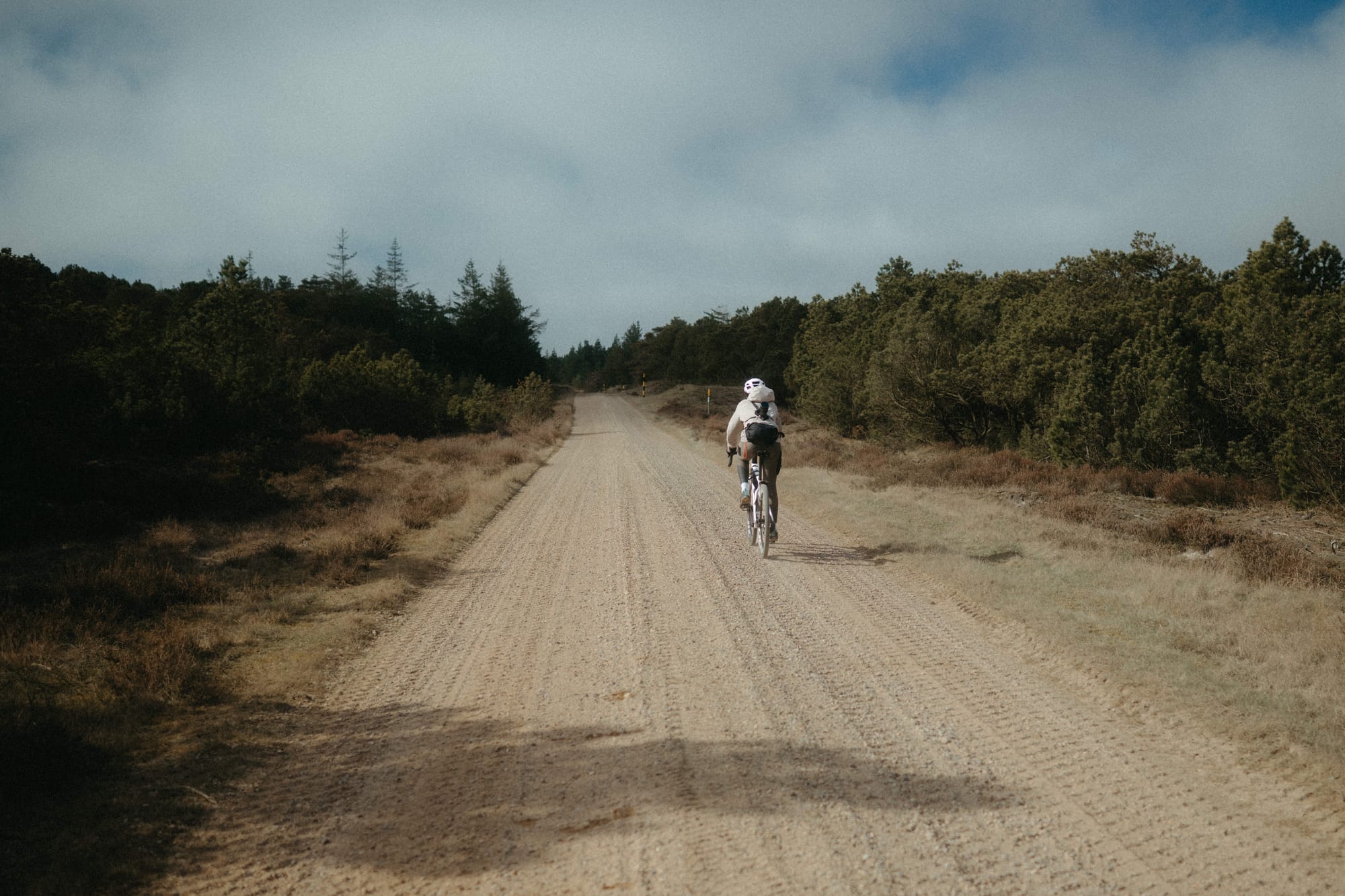
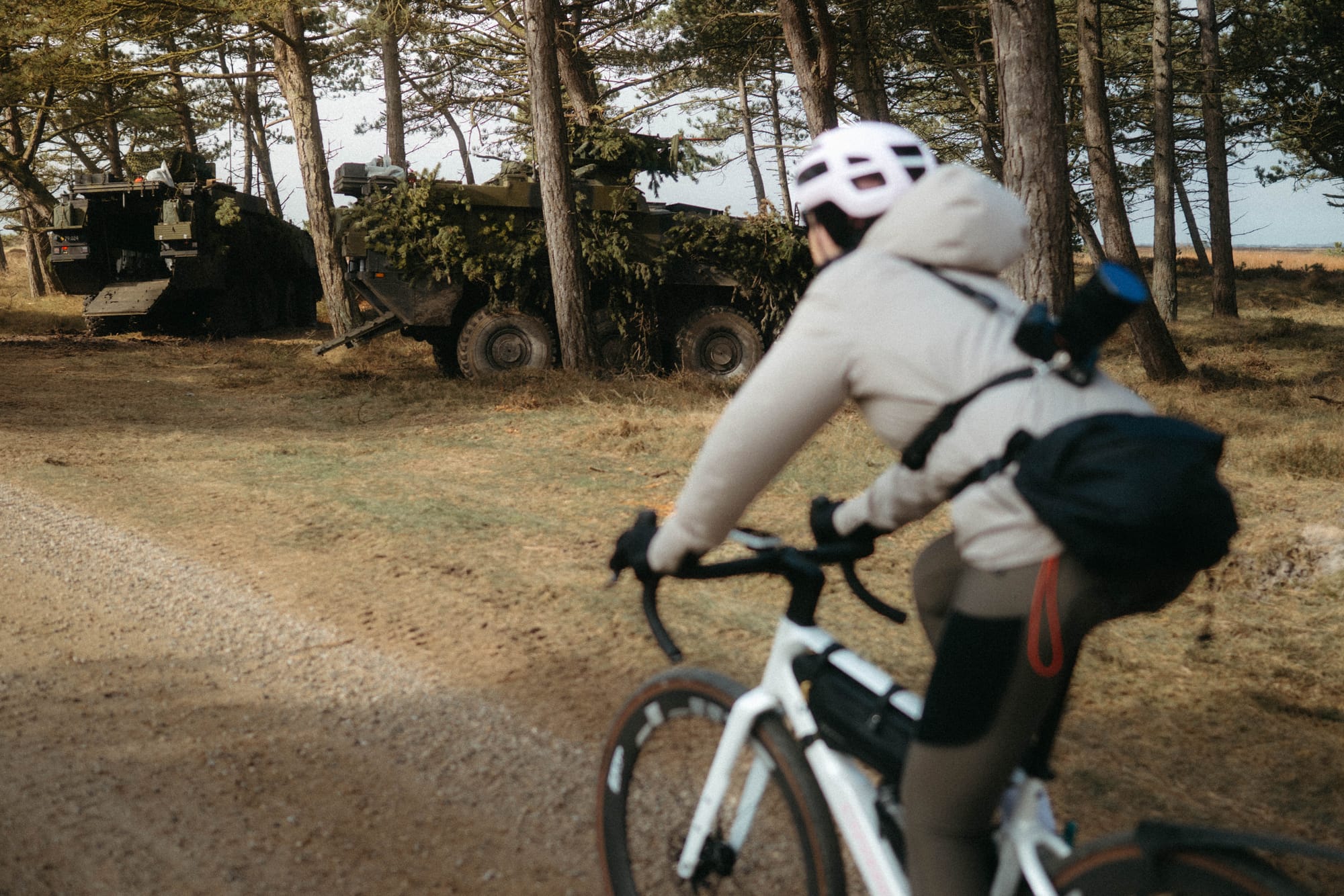
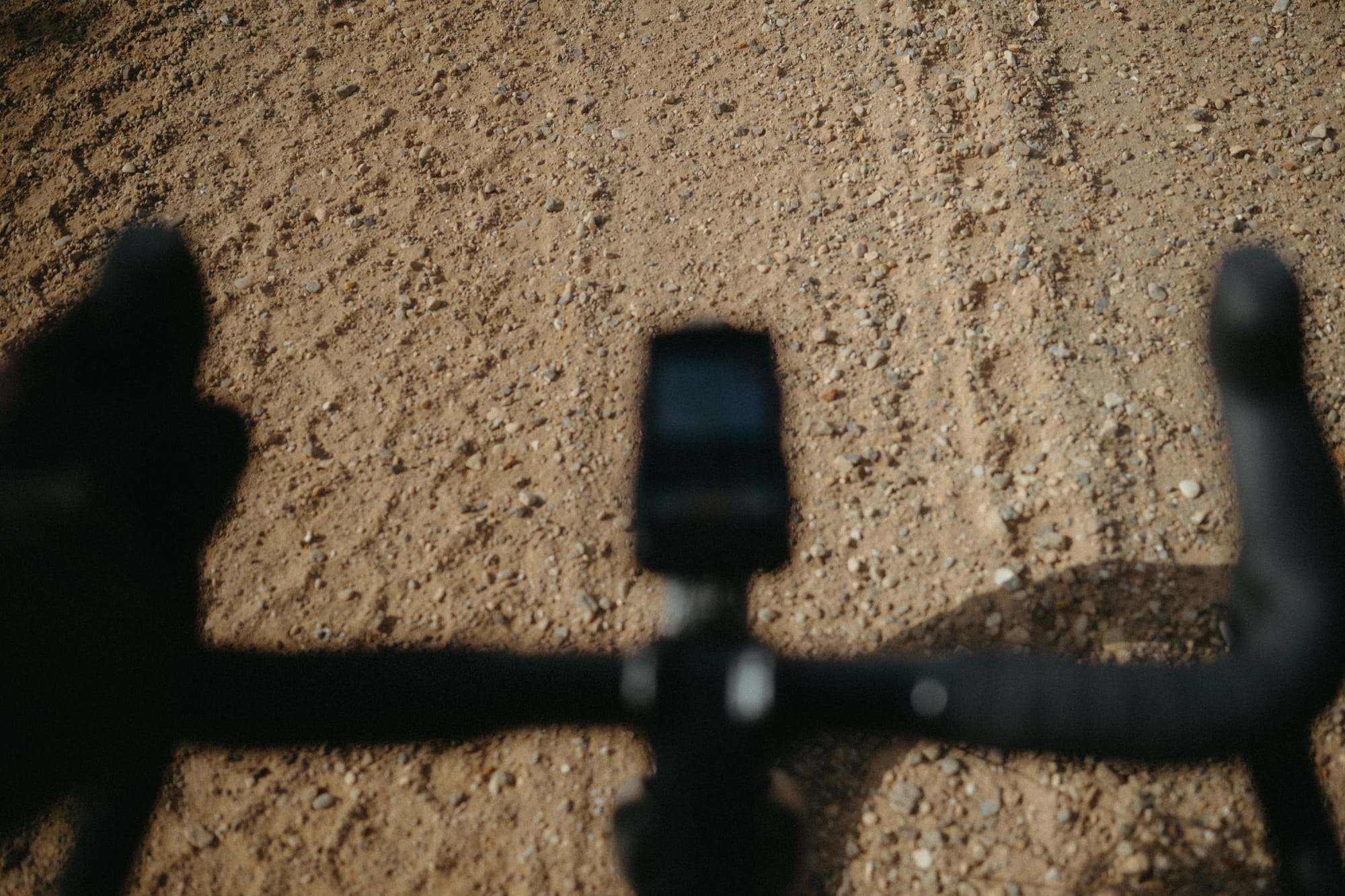
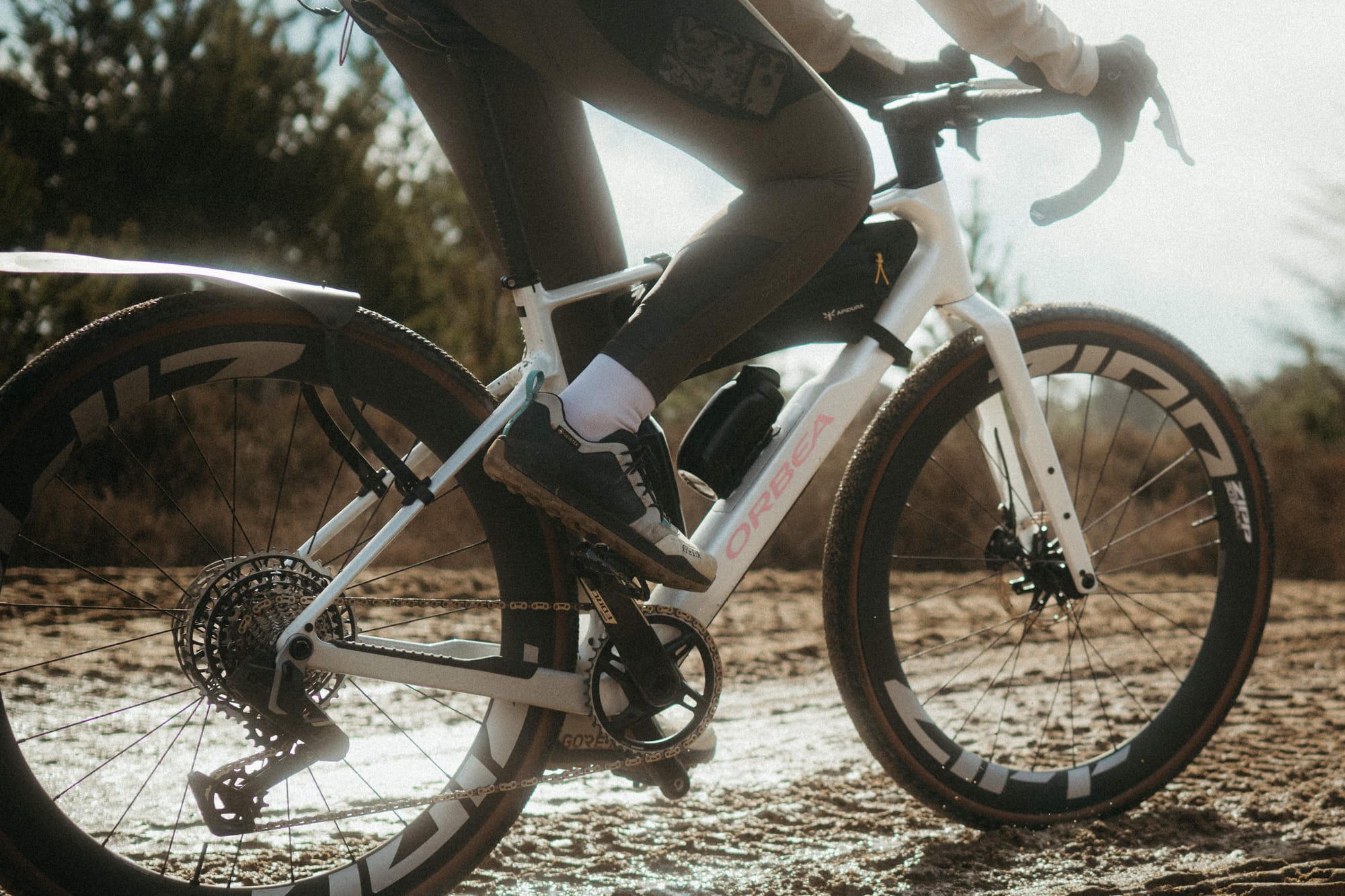
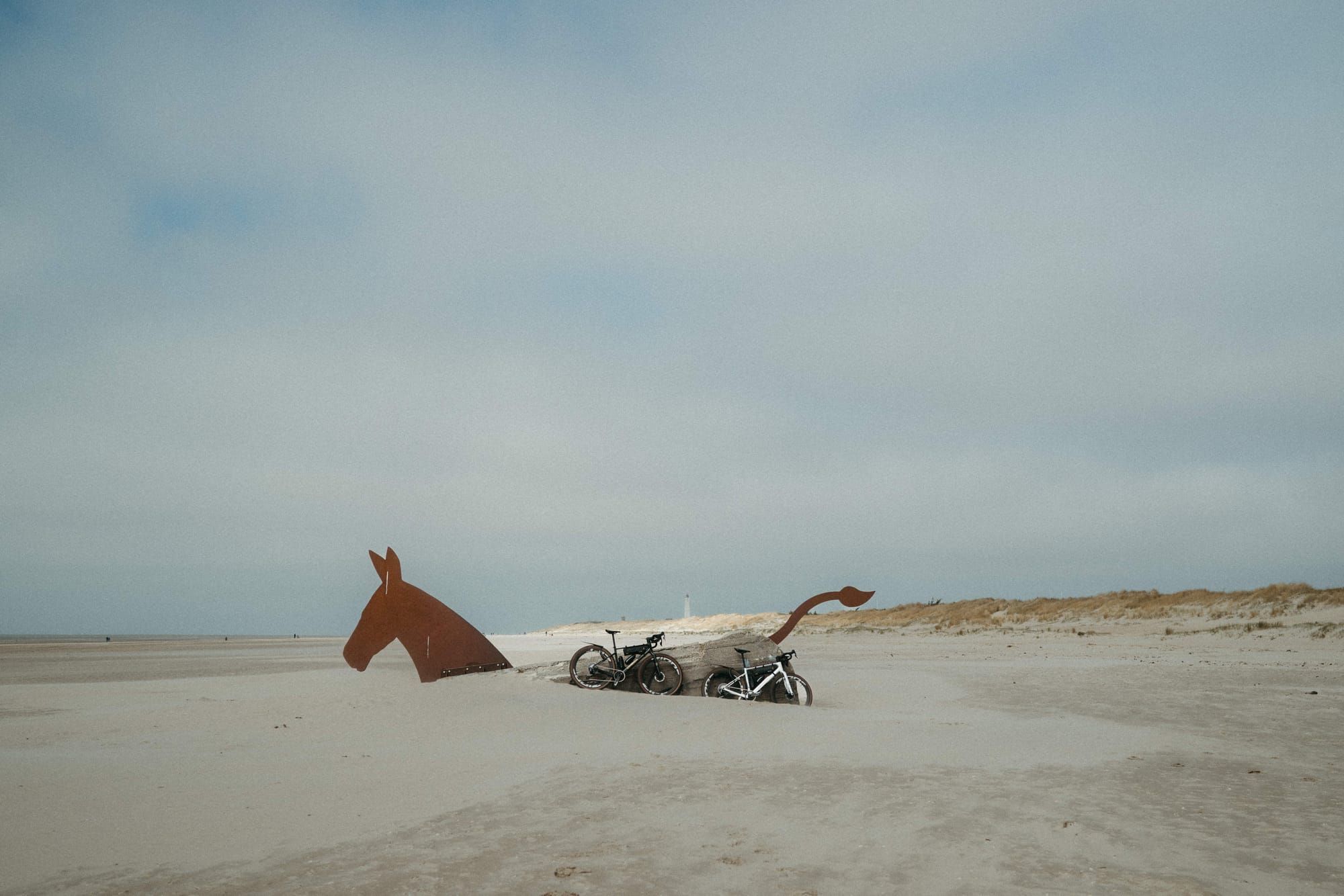
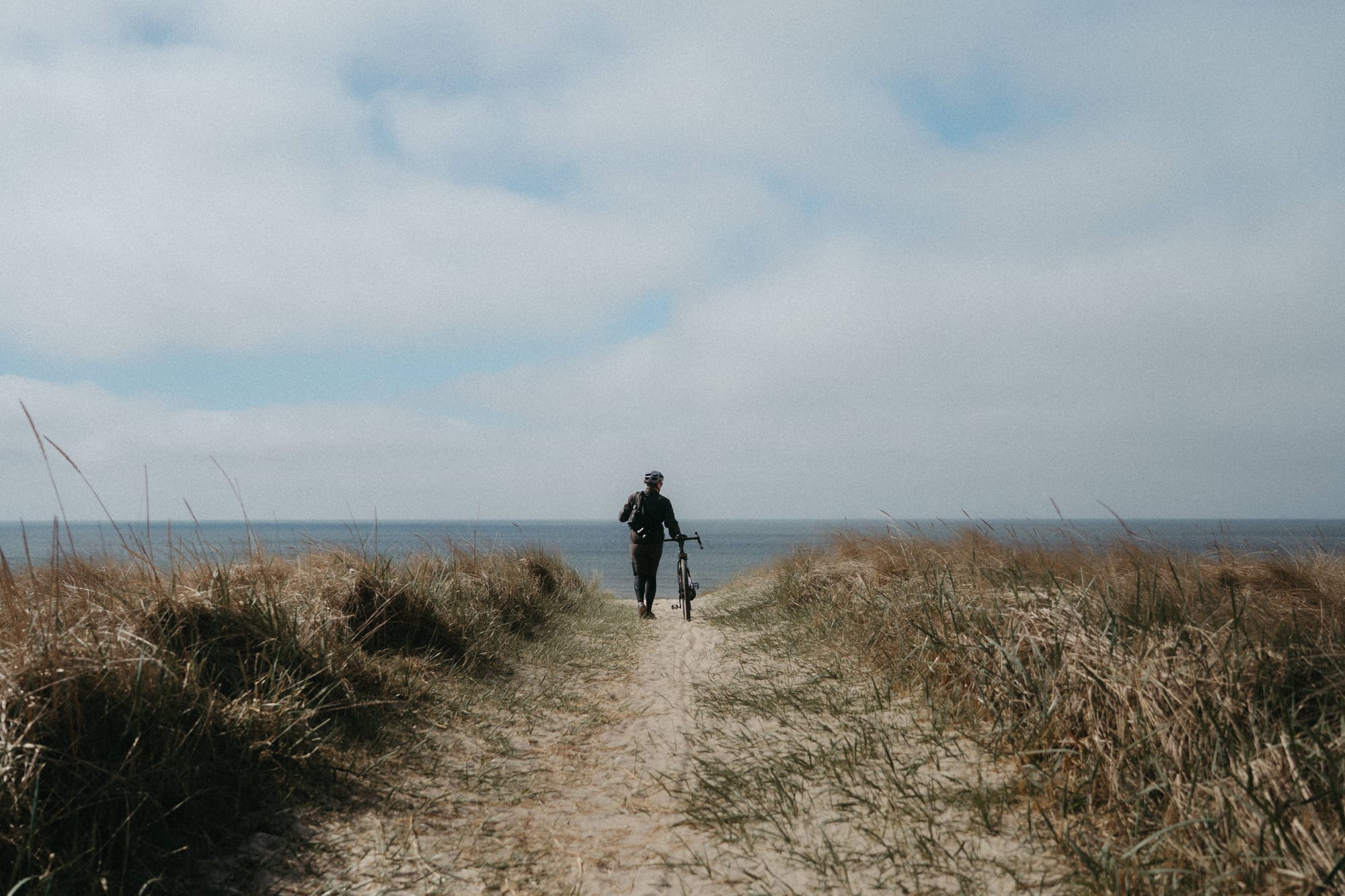
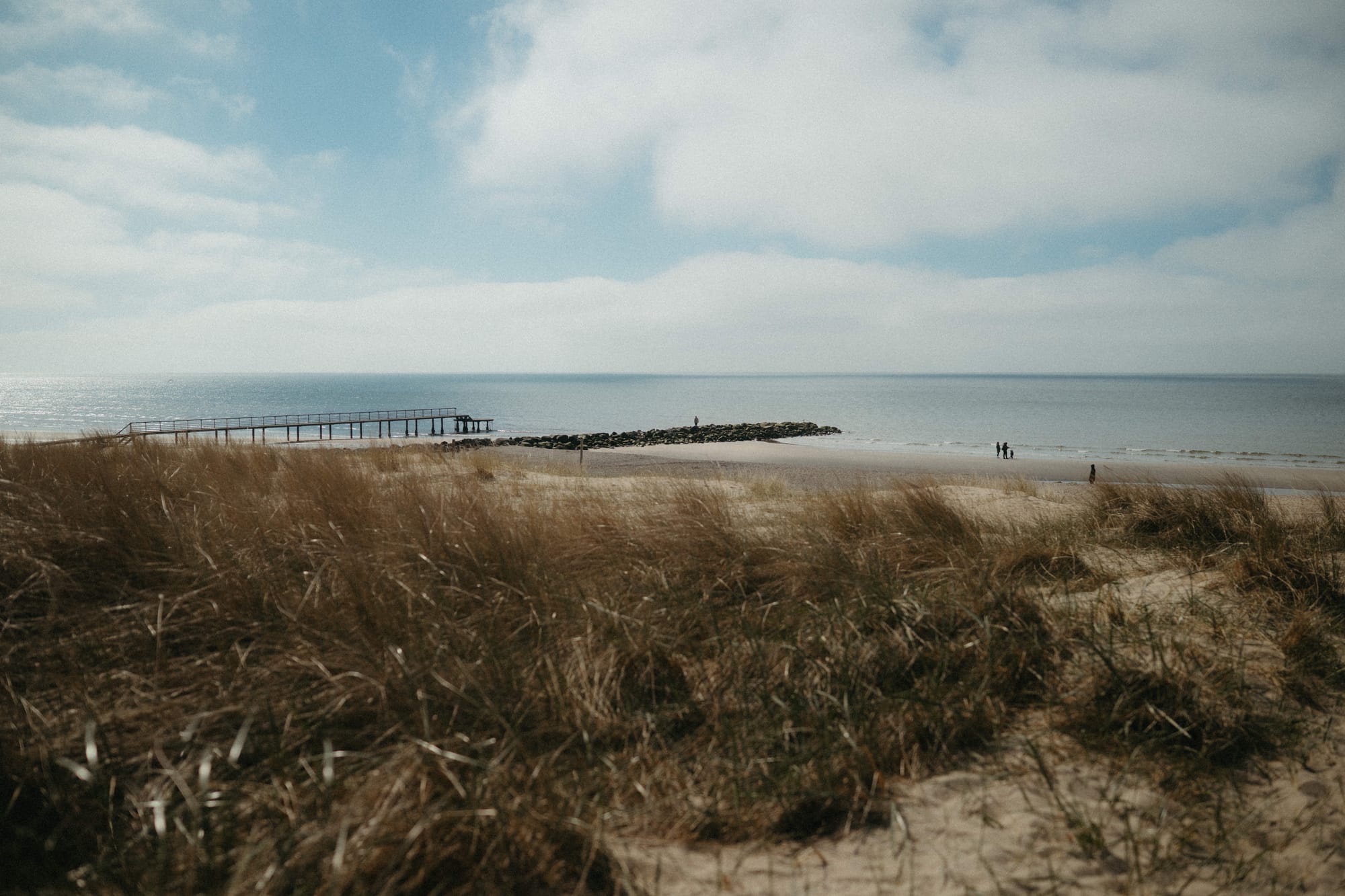
Near Blåvandshuk the landscape changes: dunes, coast, the sea opening up. There are bunkers here from the last war, four of them transformed into mules. A British sculptor welded steel heads and tails onto the concrete on the fiftieth anniversary of liberation. Mules are infertile. The symbolism was intentional. Jana climbed up on one and sat looking out at the water. We got the drone up. The wind was brutal, the kind that makes the drone tilt and fight and look, from the ground, like it is definitely not coming back. It came back. The footage was steadier than it had any right to be.
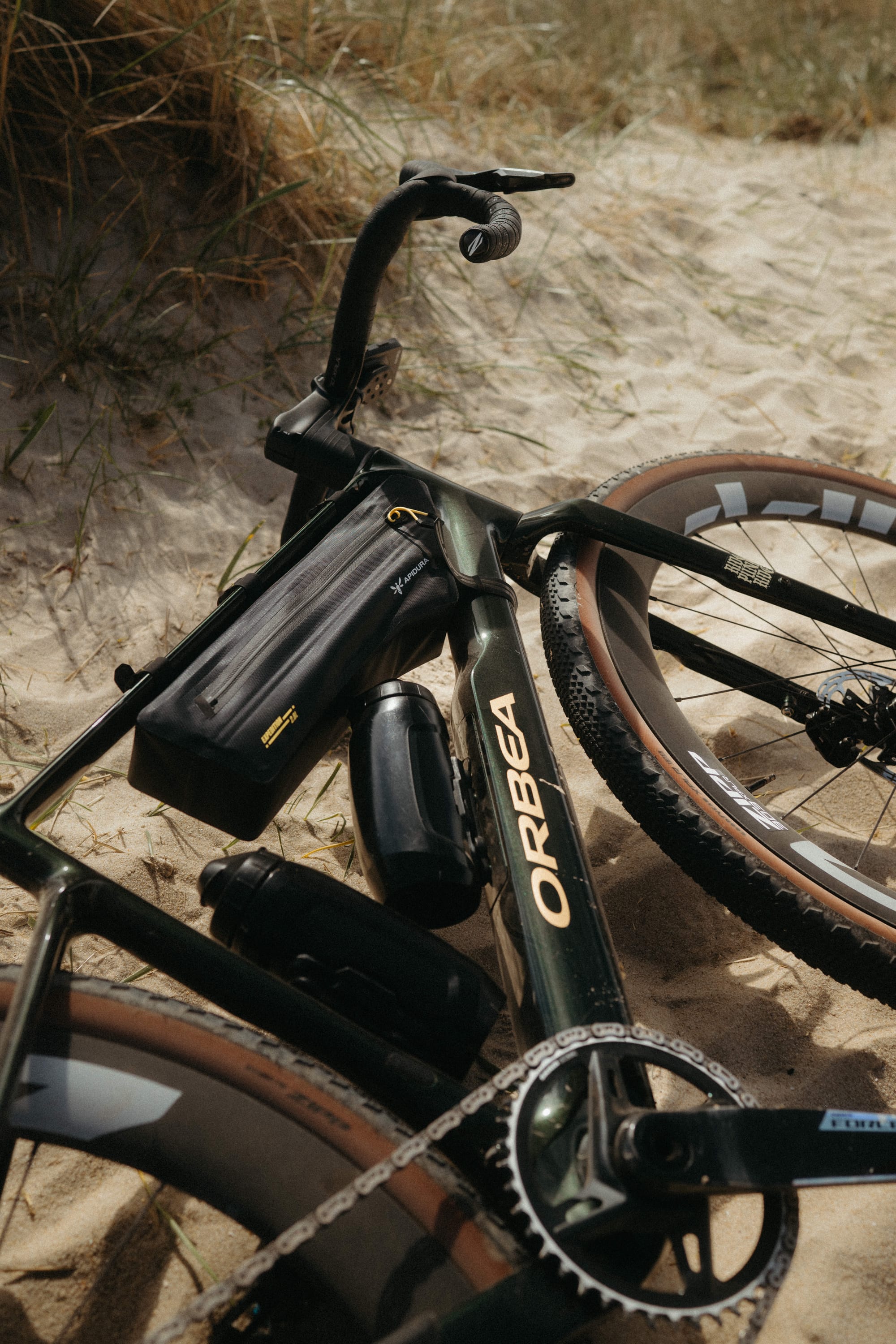
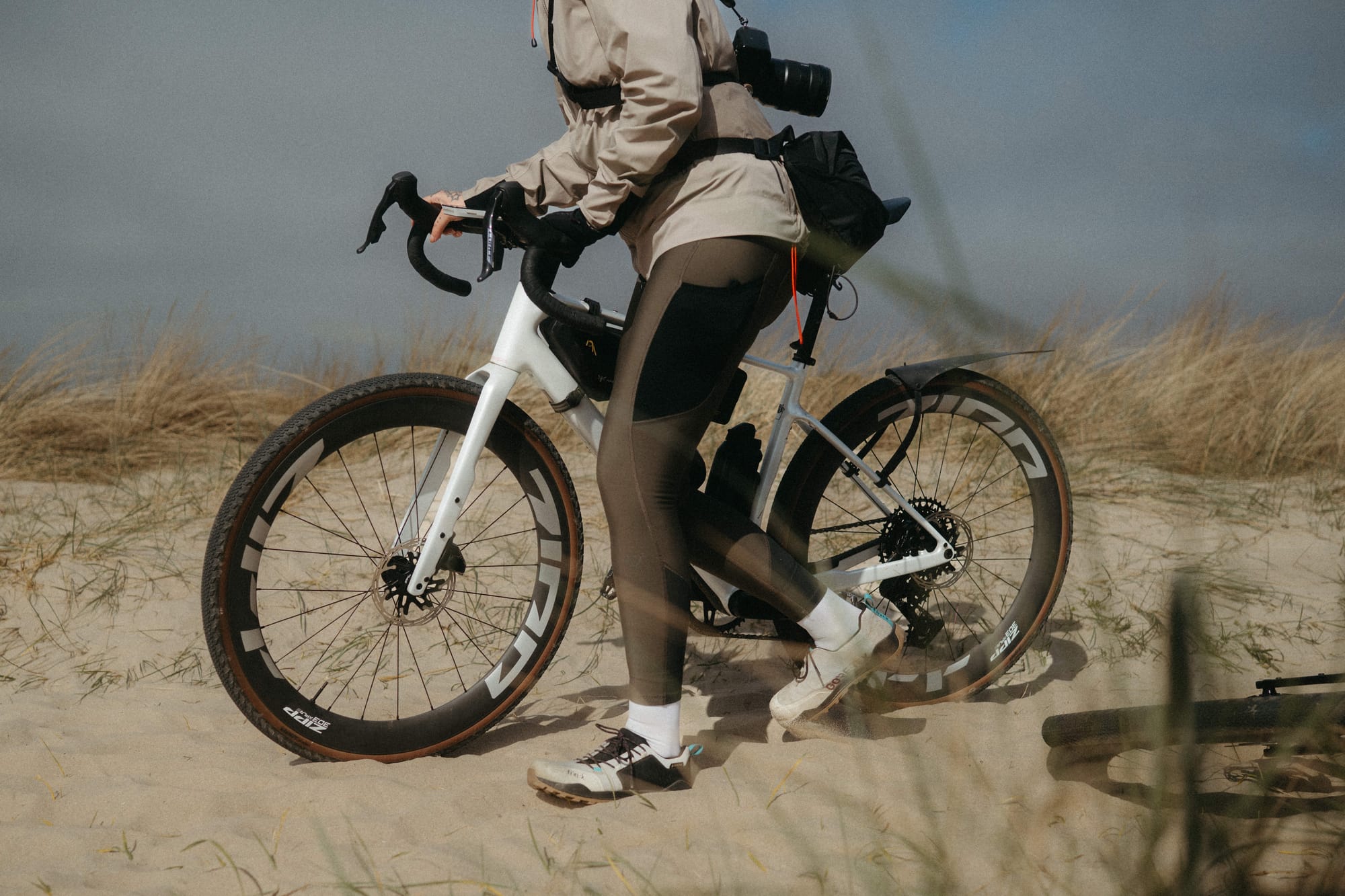
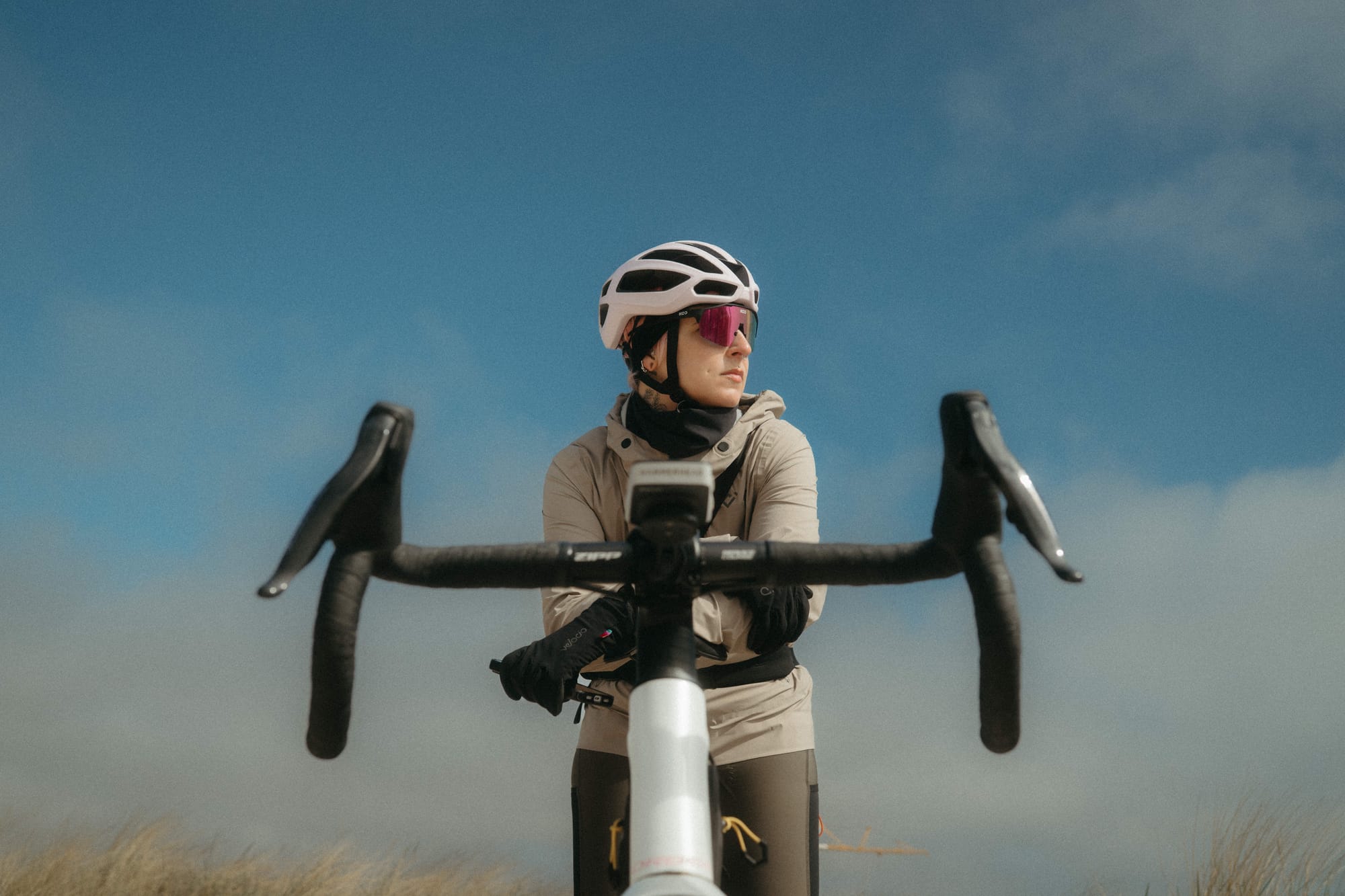
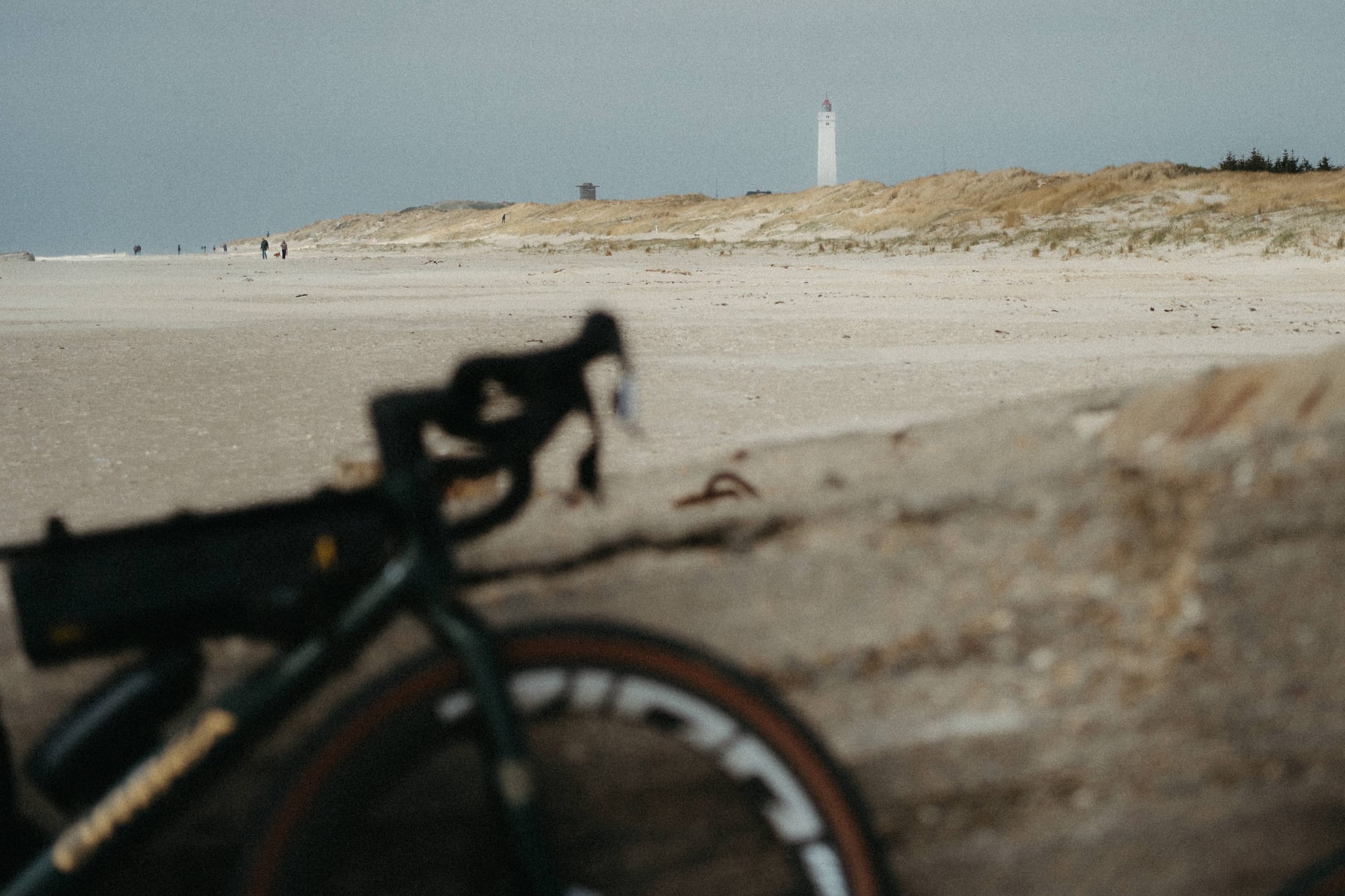
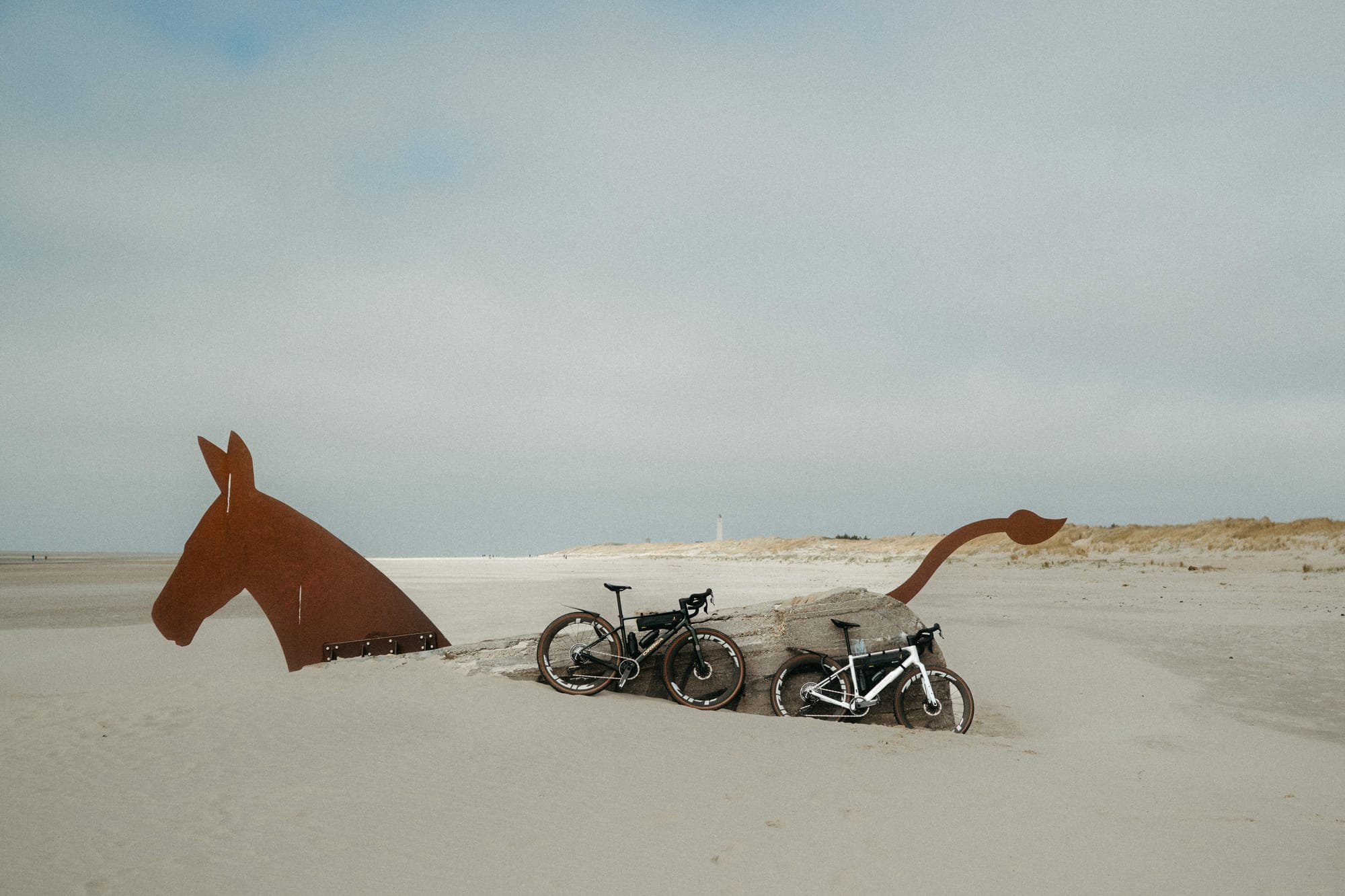
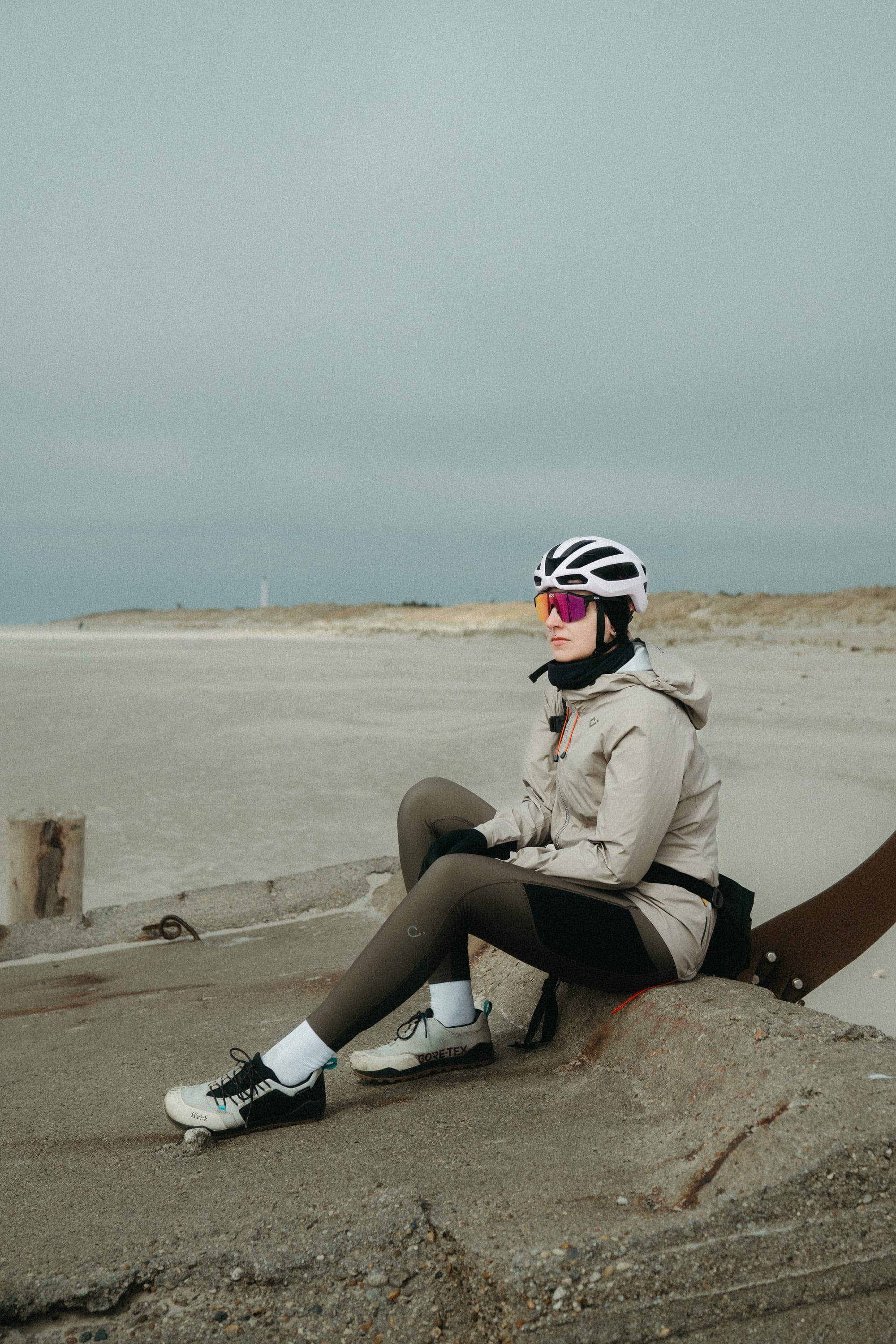
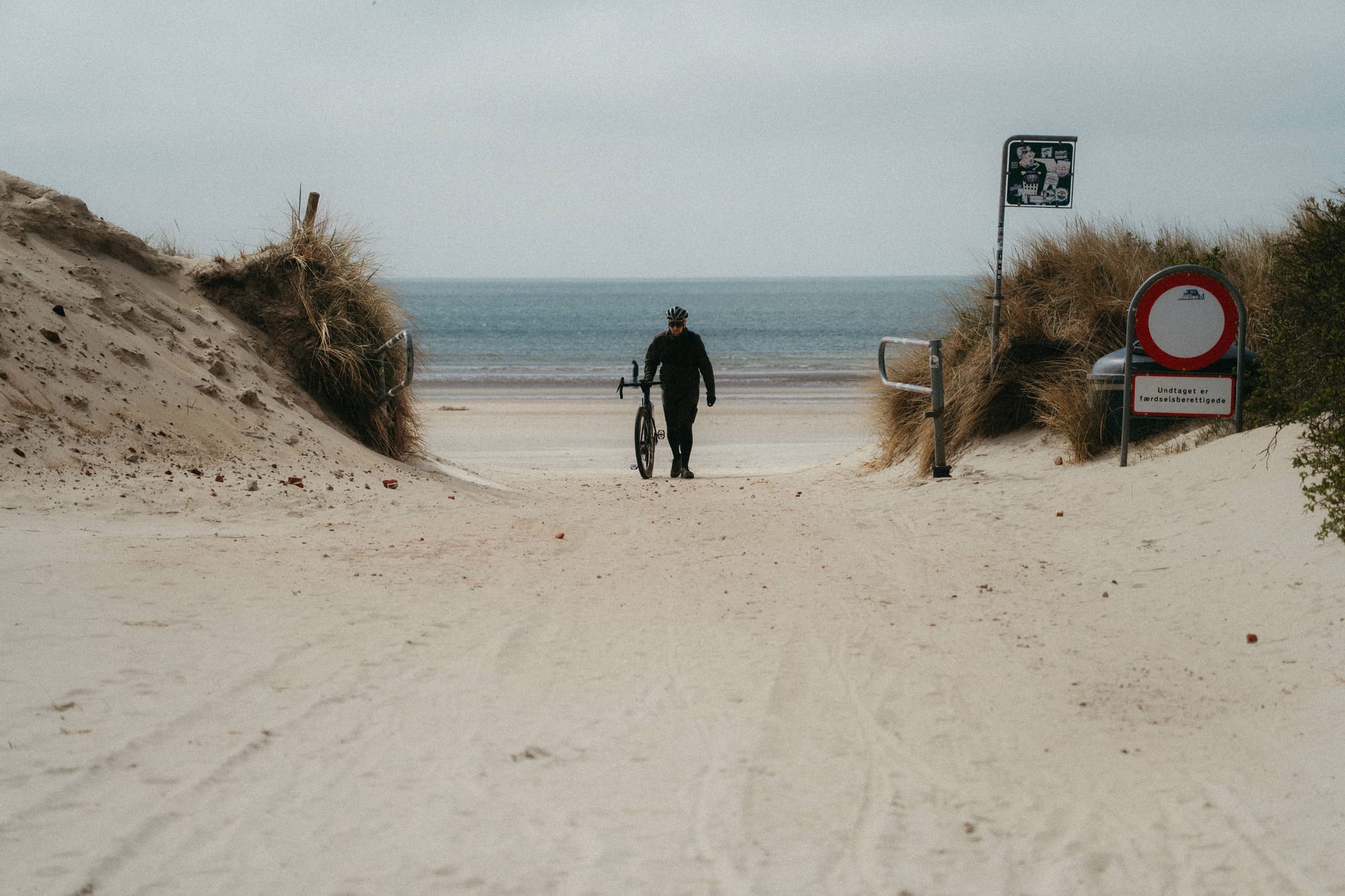
Then we went to find the hot dog stand.
Jana had found it weeks before the trip while planning the route. A place near the lighthouse that sold vegan hot dogs, not something you find easily in Denmark, and she had noted it specifically and looked forward to it specifically, and we had talked about it during the morning as something to aim for. We arrived and there were construction vehicles parked in front of it. Renovation. Closed for the season, probably.
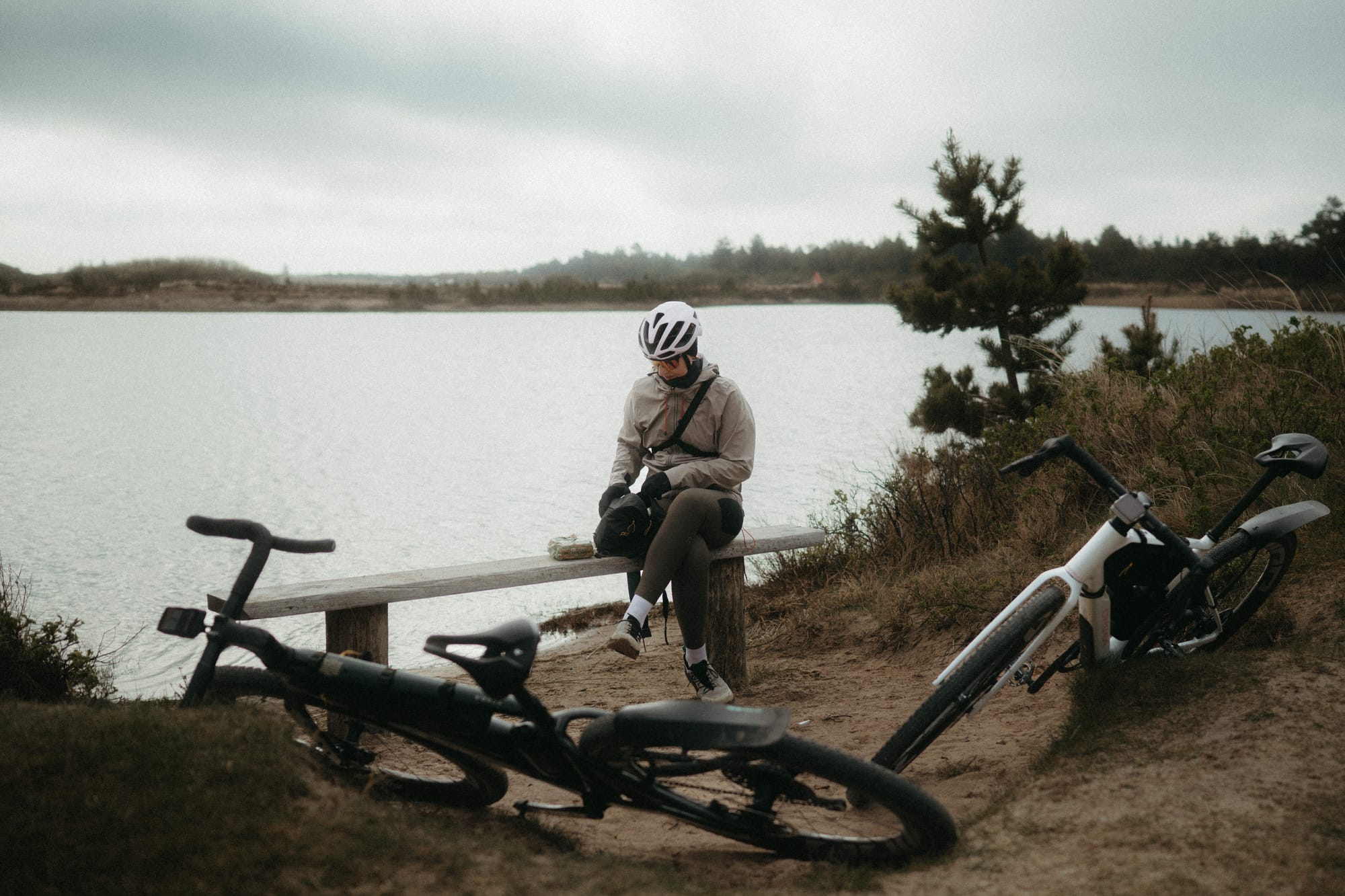
We stood there for a moment. Already cold, because we had been standing around in the military area and the cold had gotten in. Already hungry. And the thing we had been looking forward to was a construction site. Jana didn't say much. She didn't need to. We walked to the lighthouse. We sat on the ground and ate energy bars and agreed, with the flat resignation of two people who have accepted their situation, that the lighthouse was just a lighthouse. Then we turned around and headed back.
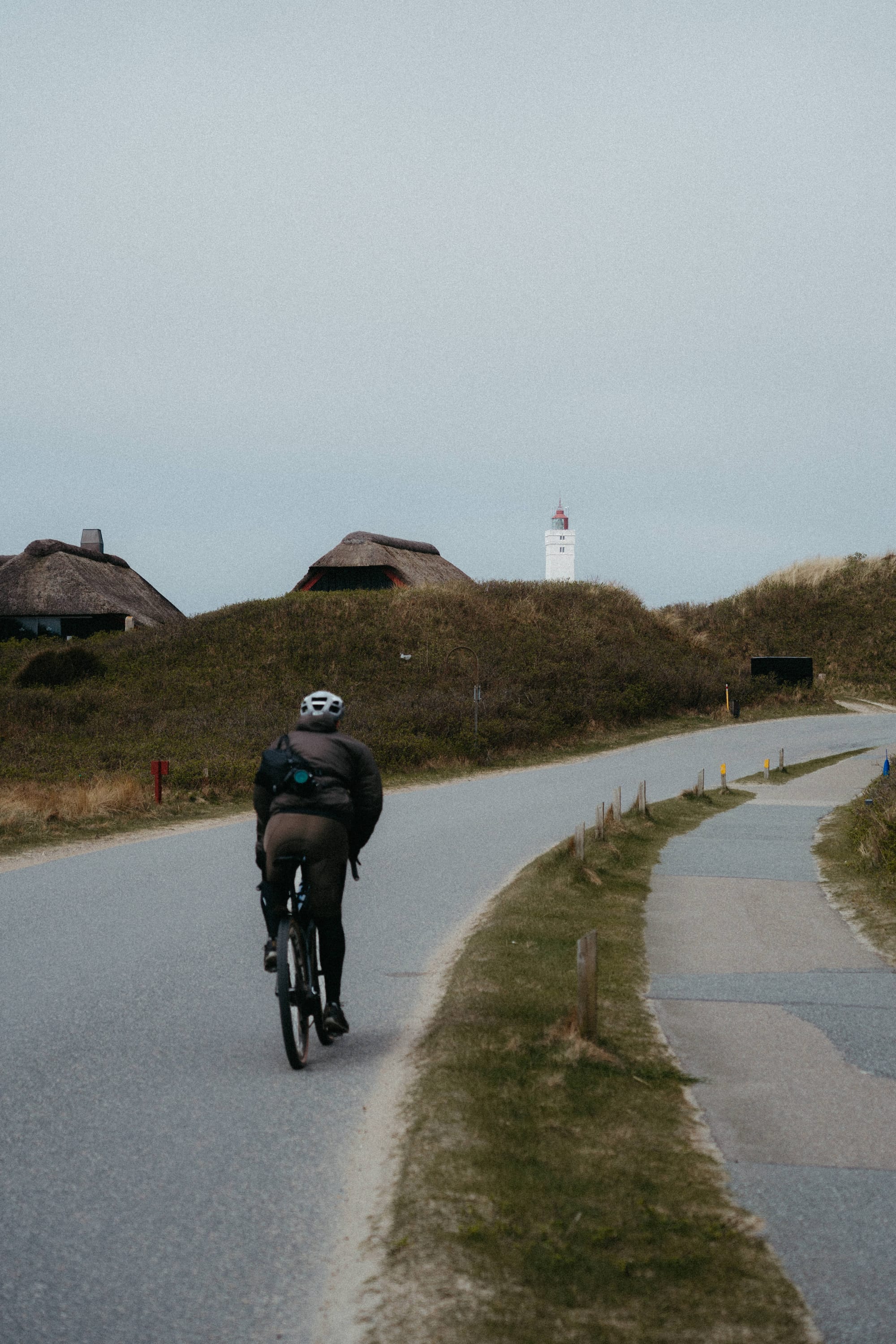
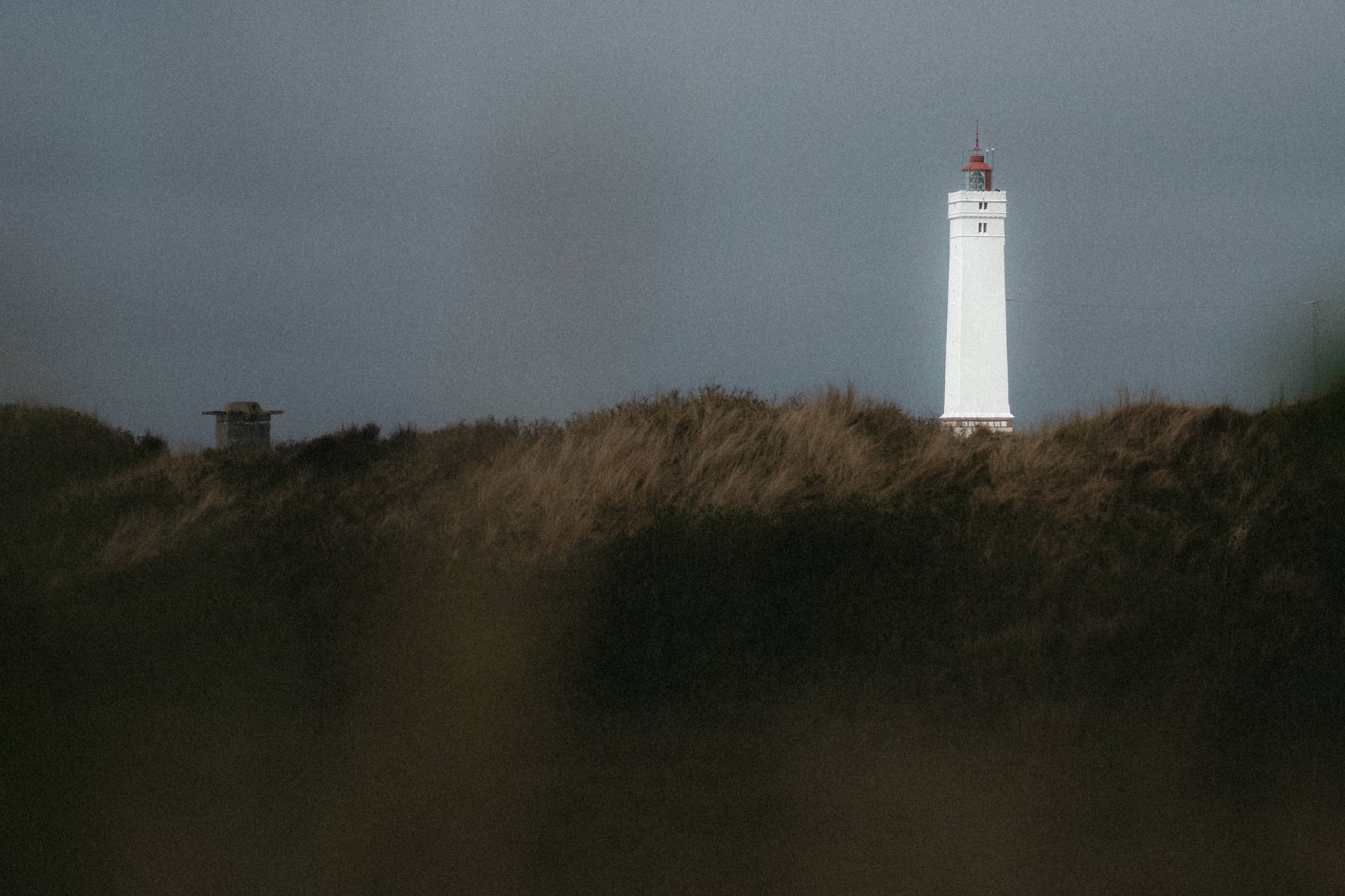
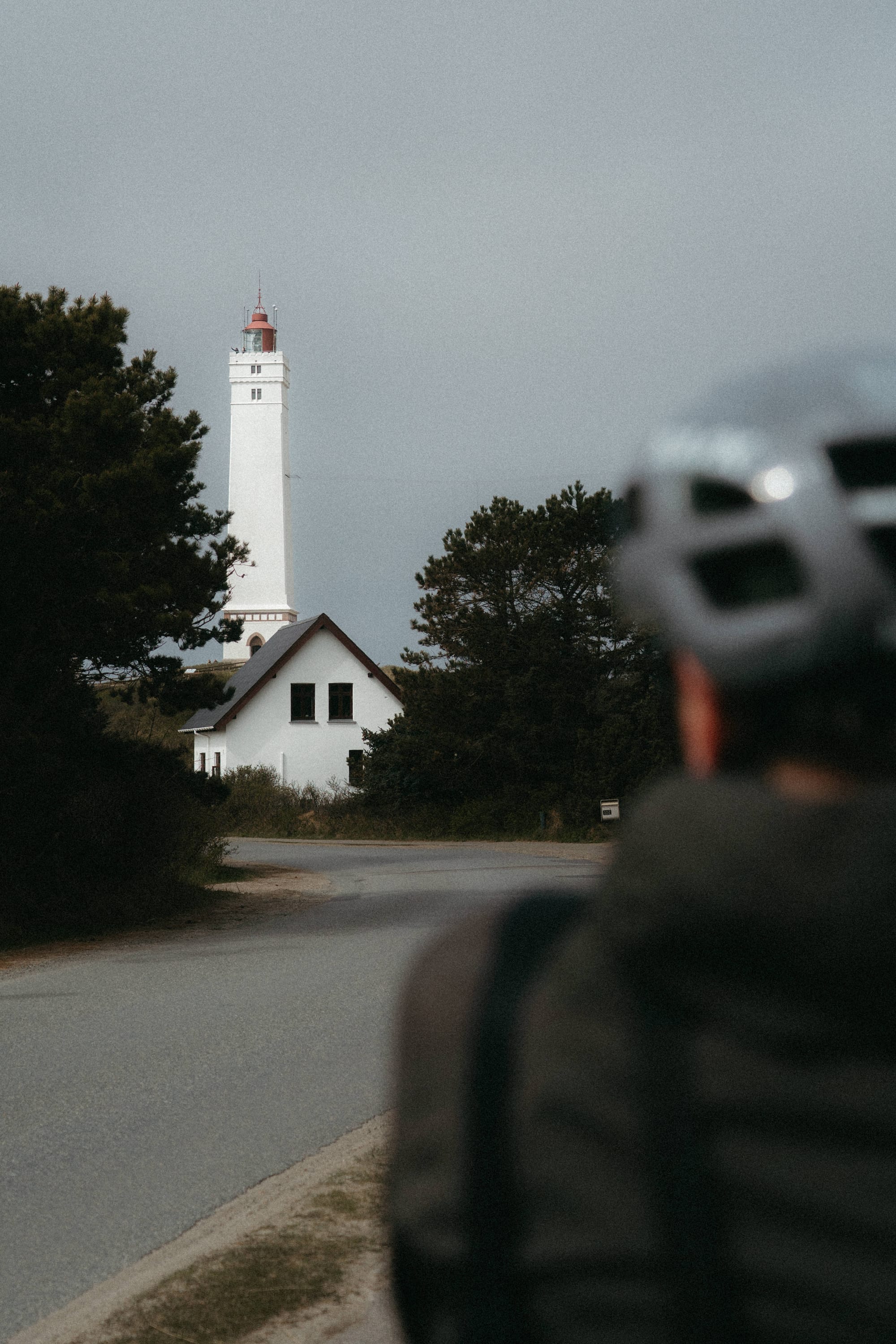
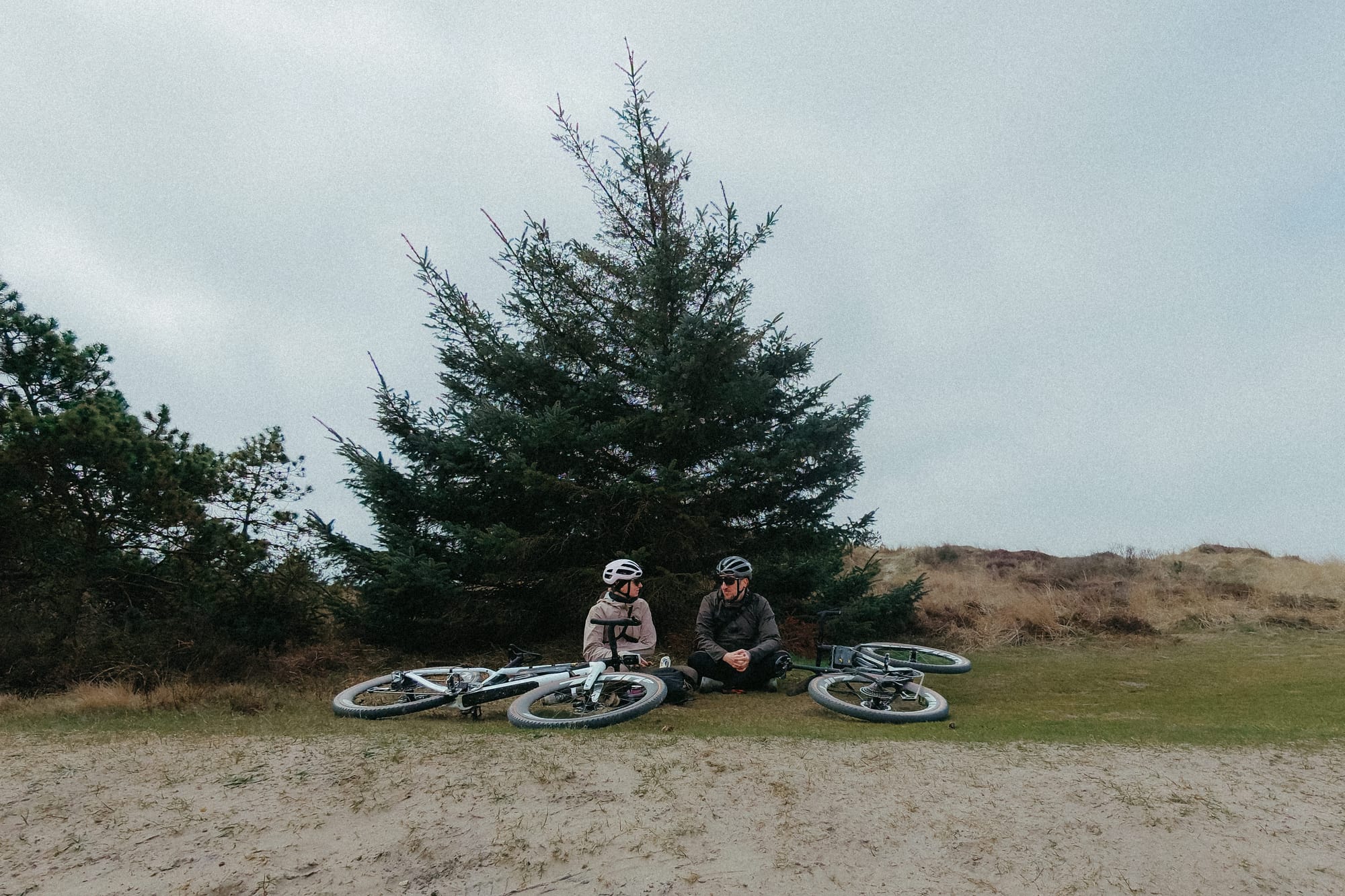
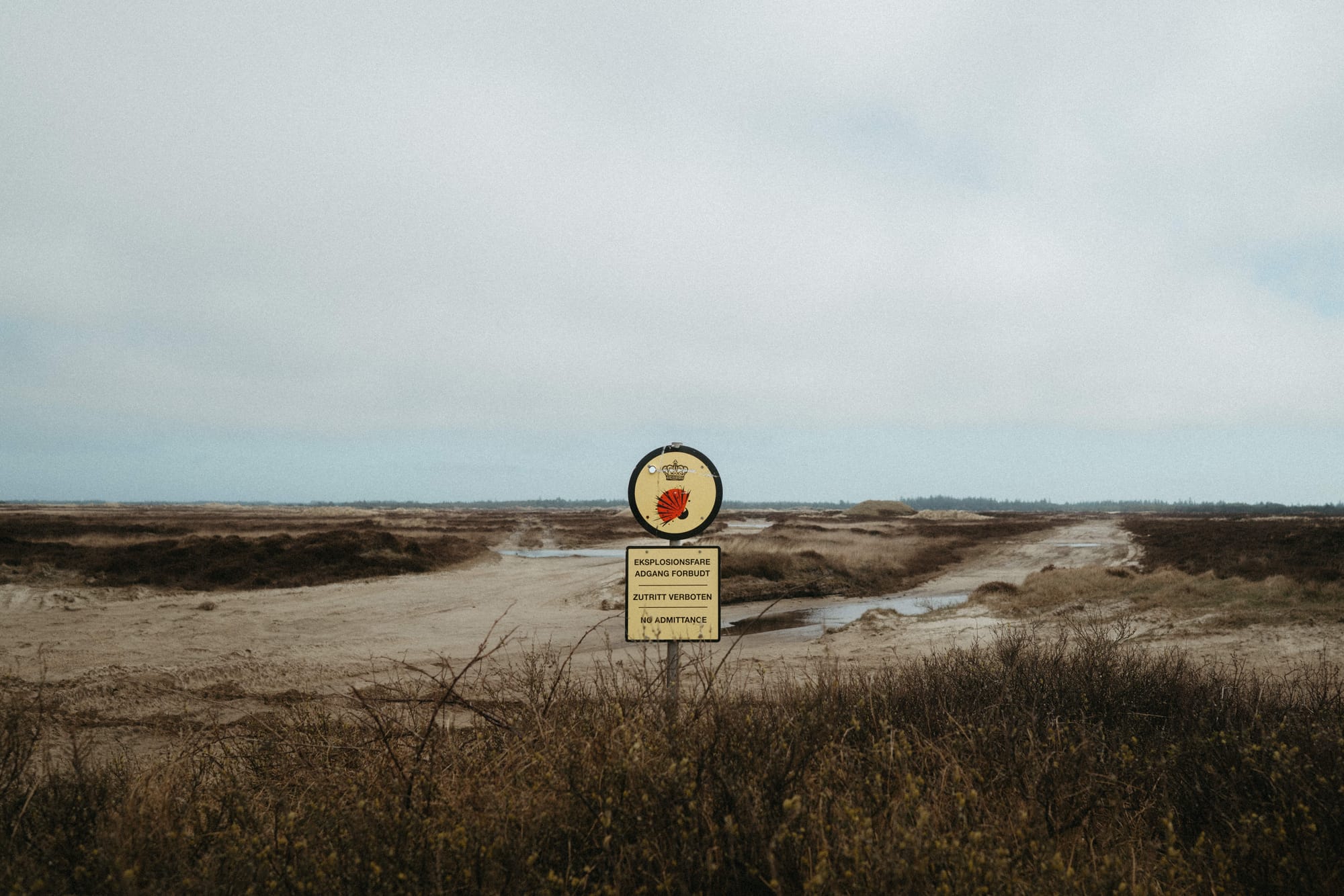
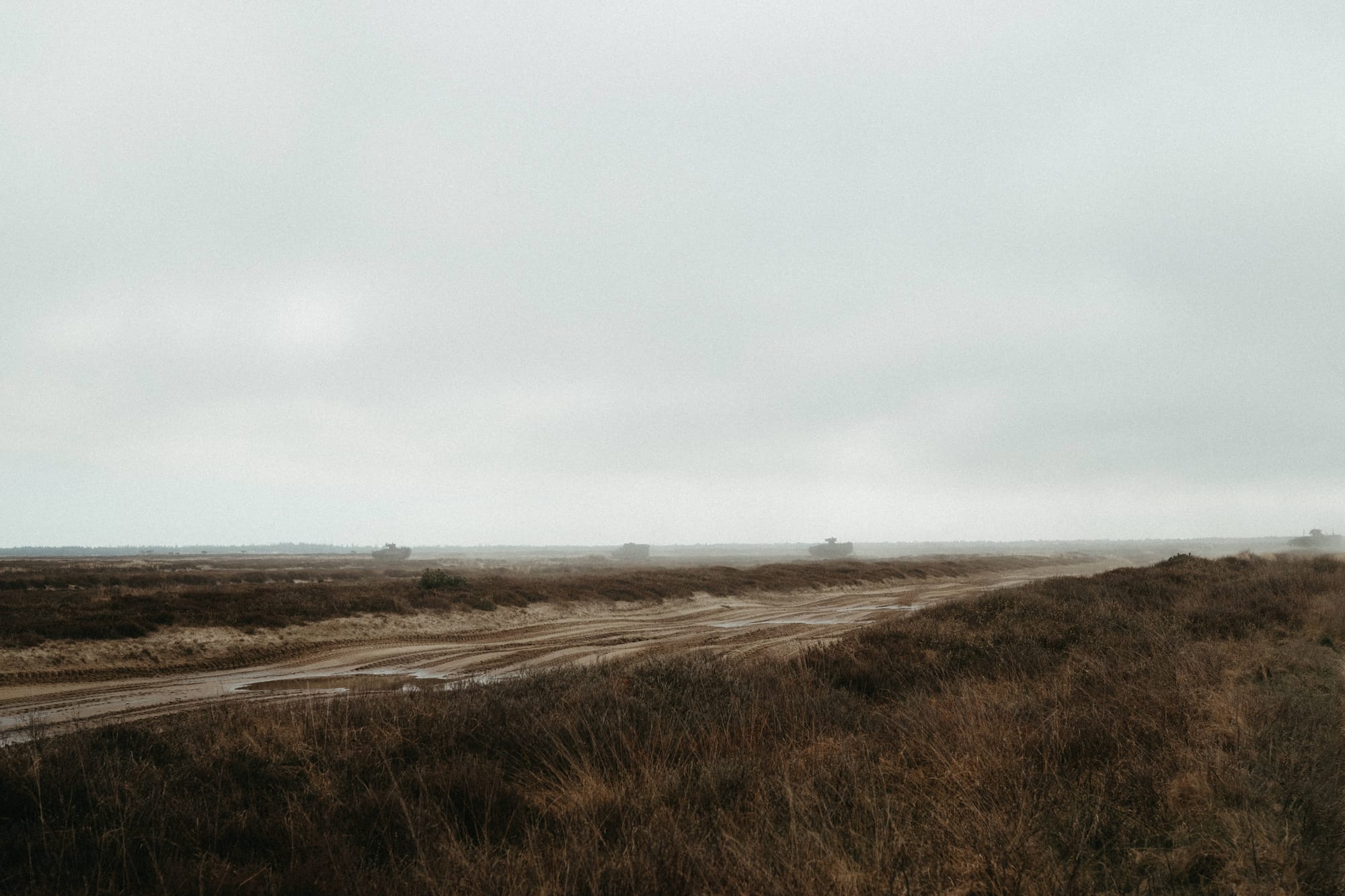
Kallesmærsk Hede on the return. Eight kilometers of gravel road through a landscape that looked, in the now fully grey afternoon light, like someone had imagined a battle and built the set for it. Tank treads had pressed long ruts into the road. The heather still brown. The wind directly in our faces, gusts up to fifty kilometers an hour. And the convoys.
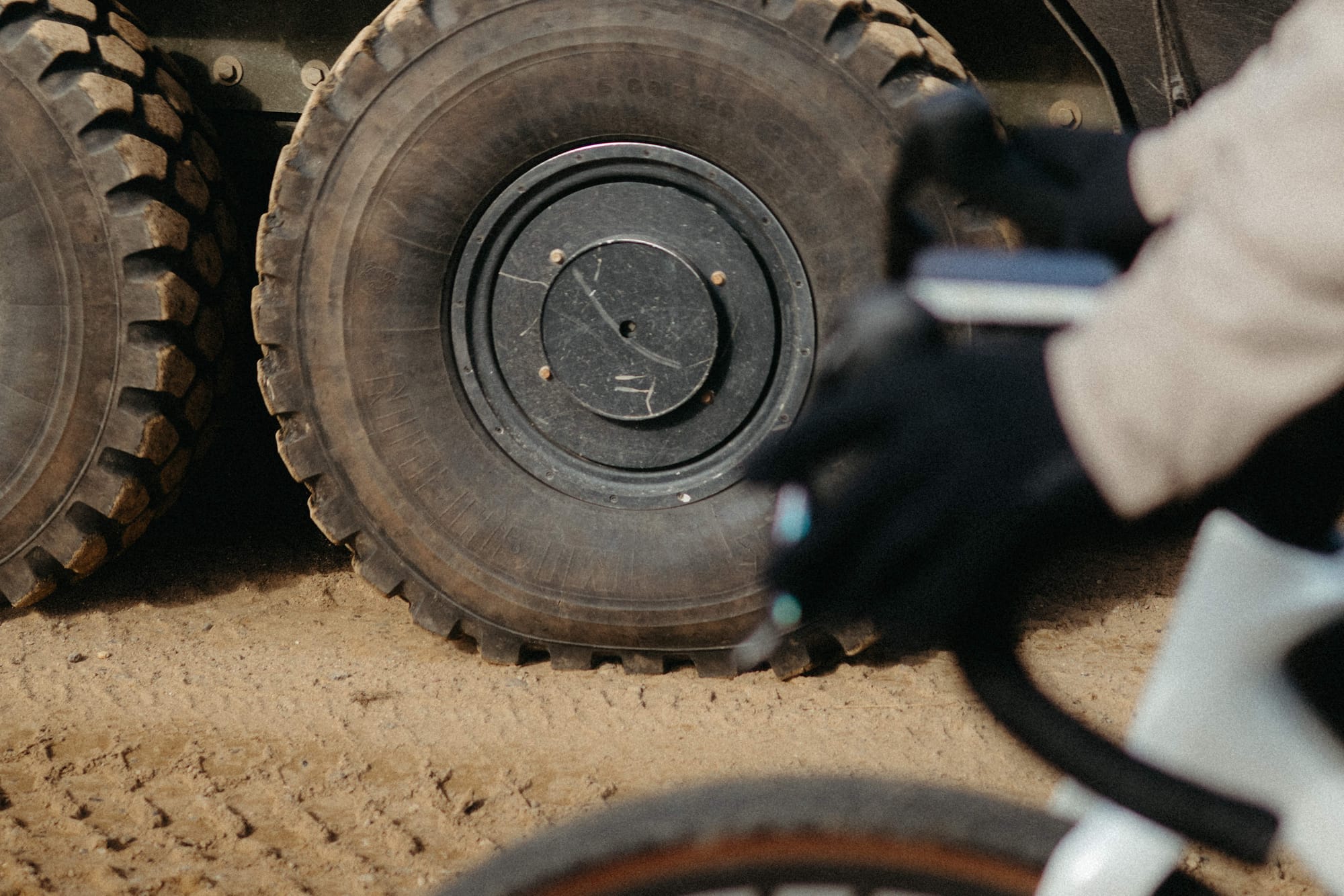
A convoy appears first as a dust cloud in the distance. Then a shape. Then it is very close and very loud and filling the air around you with fine pale dirt. You stop. You put something over your face, a buff, a sleeve, whatever is within reach, and you wait until you can breathe again. Then you look up and there is another one coming. We stood there twice doing this, not speaking, just waiting. There is a particular kind of silence between two people in the middle of something hard that is not the absence of closeness. It is the presence of it. We both knew the whirlpool was waiting.
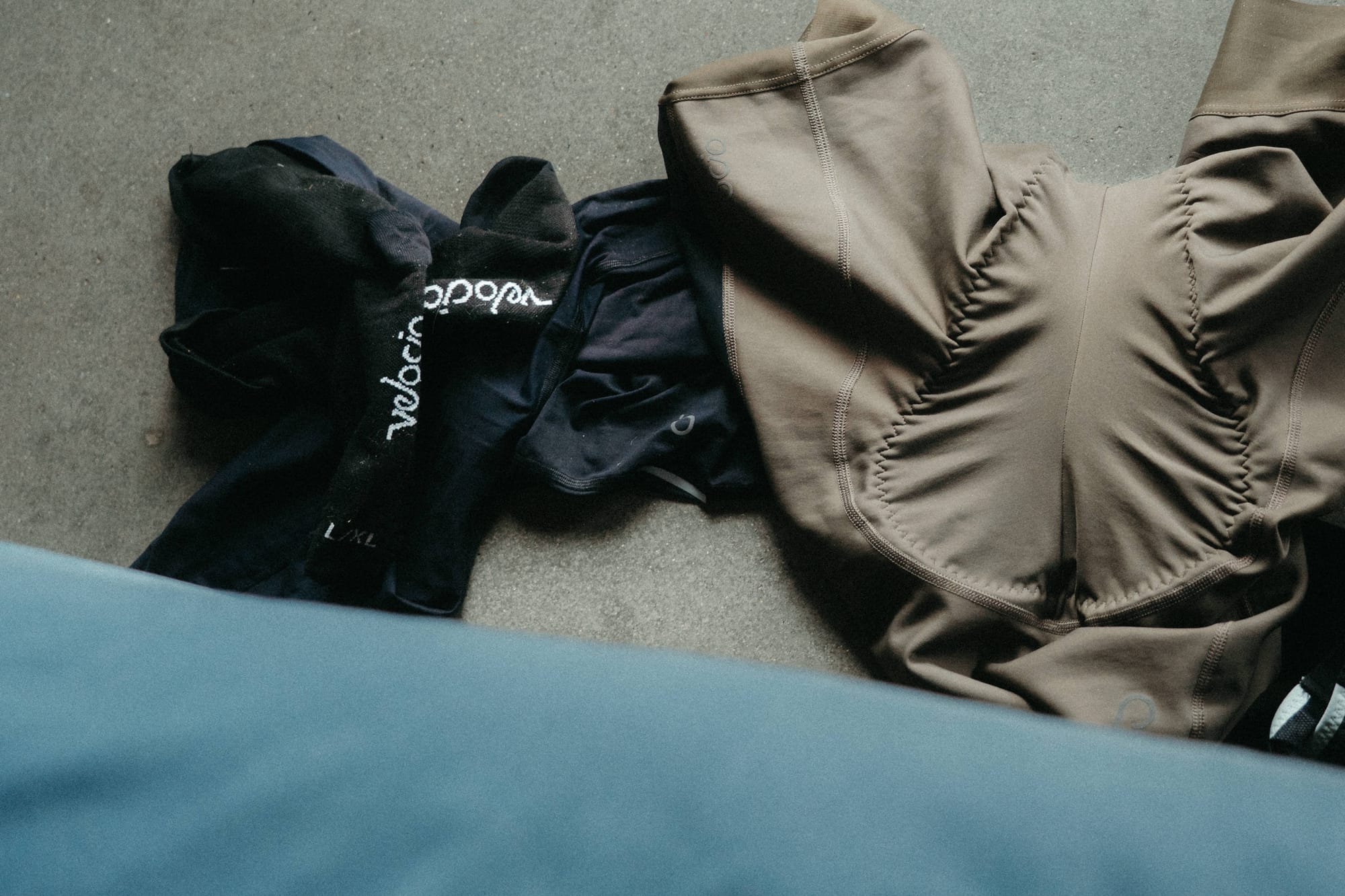
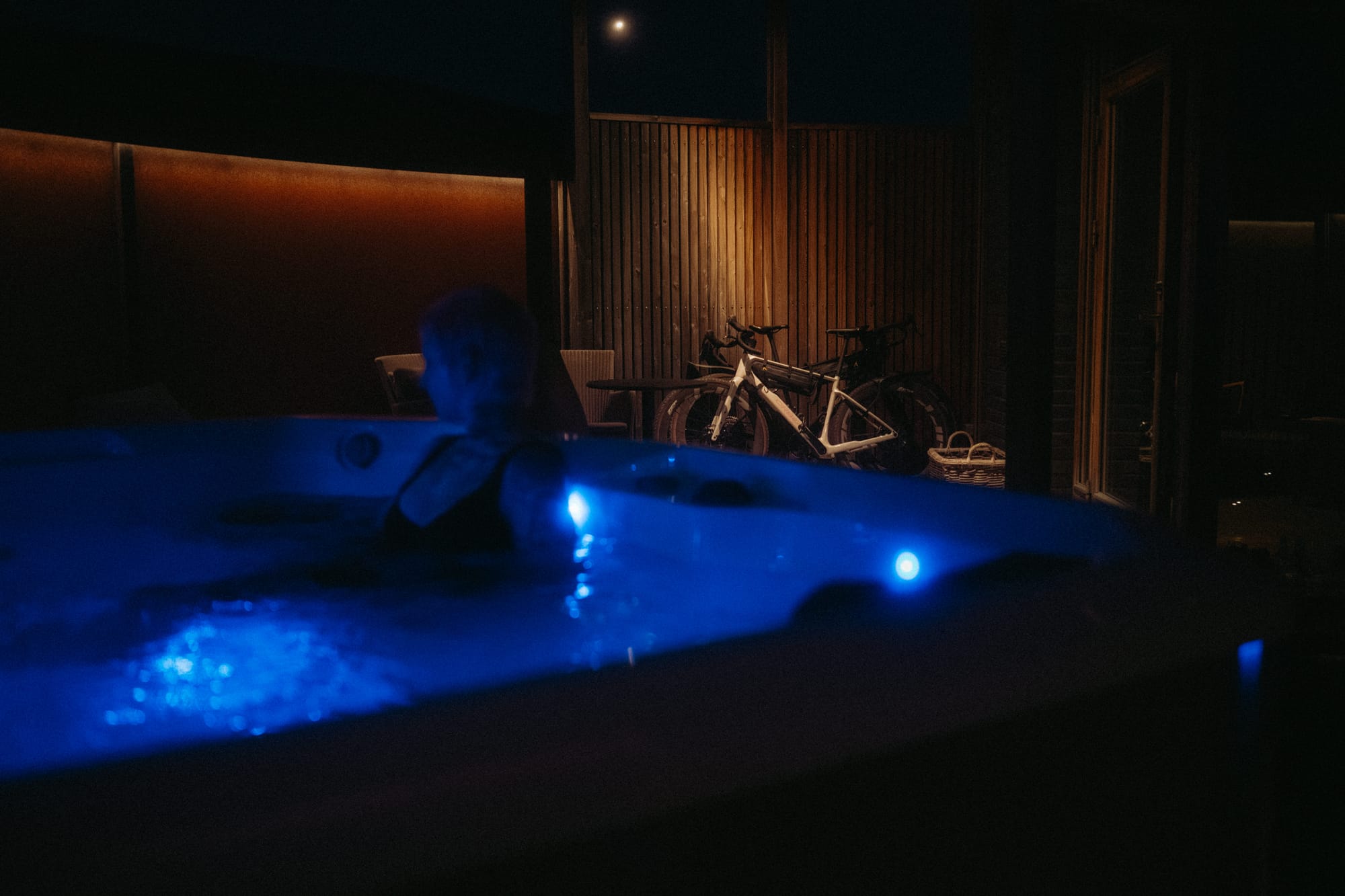
The whirlpool that evening. We got in without ceremony. The cold left our legs slowly, then all at once. We sat there in the steam while the light faded outside and didn't say anything for a while and didn't need to.
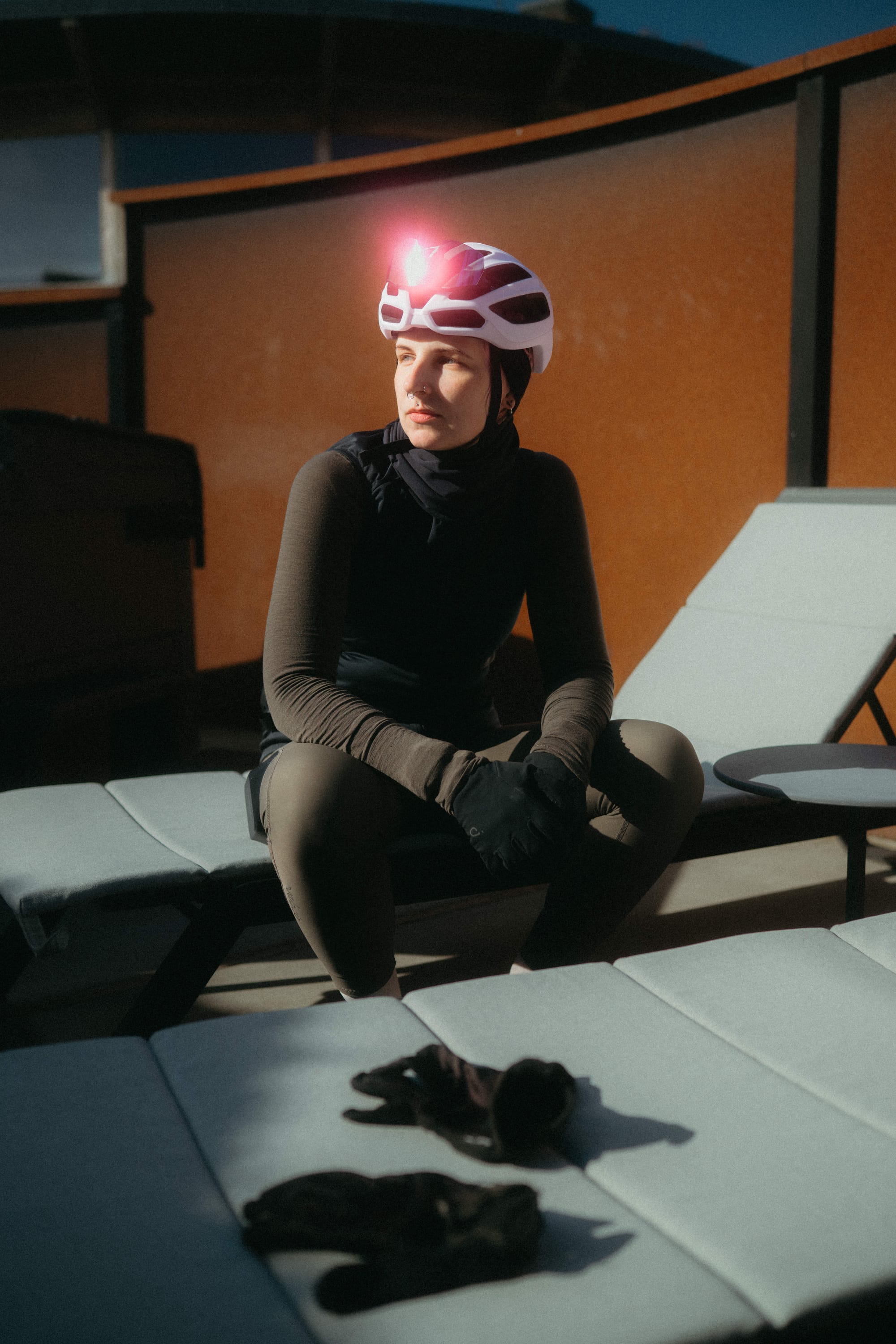
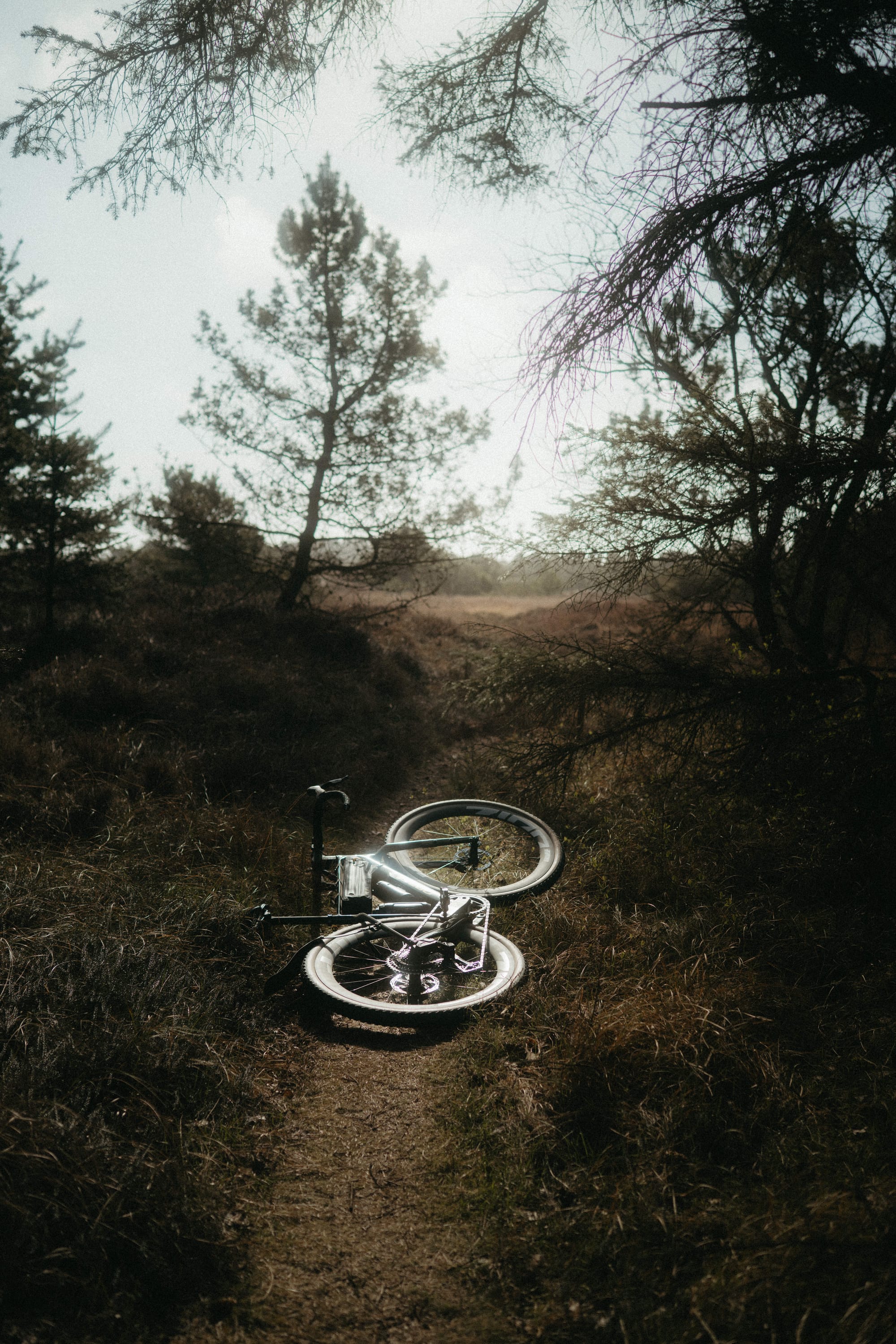
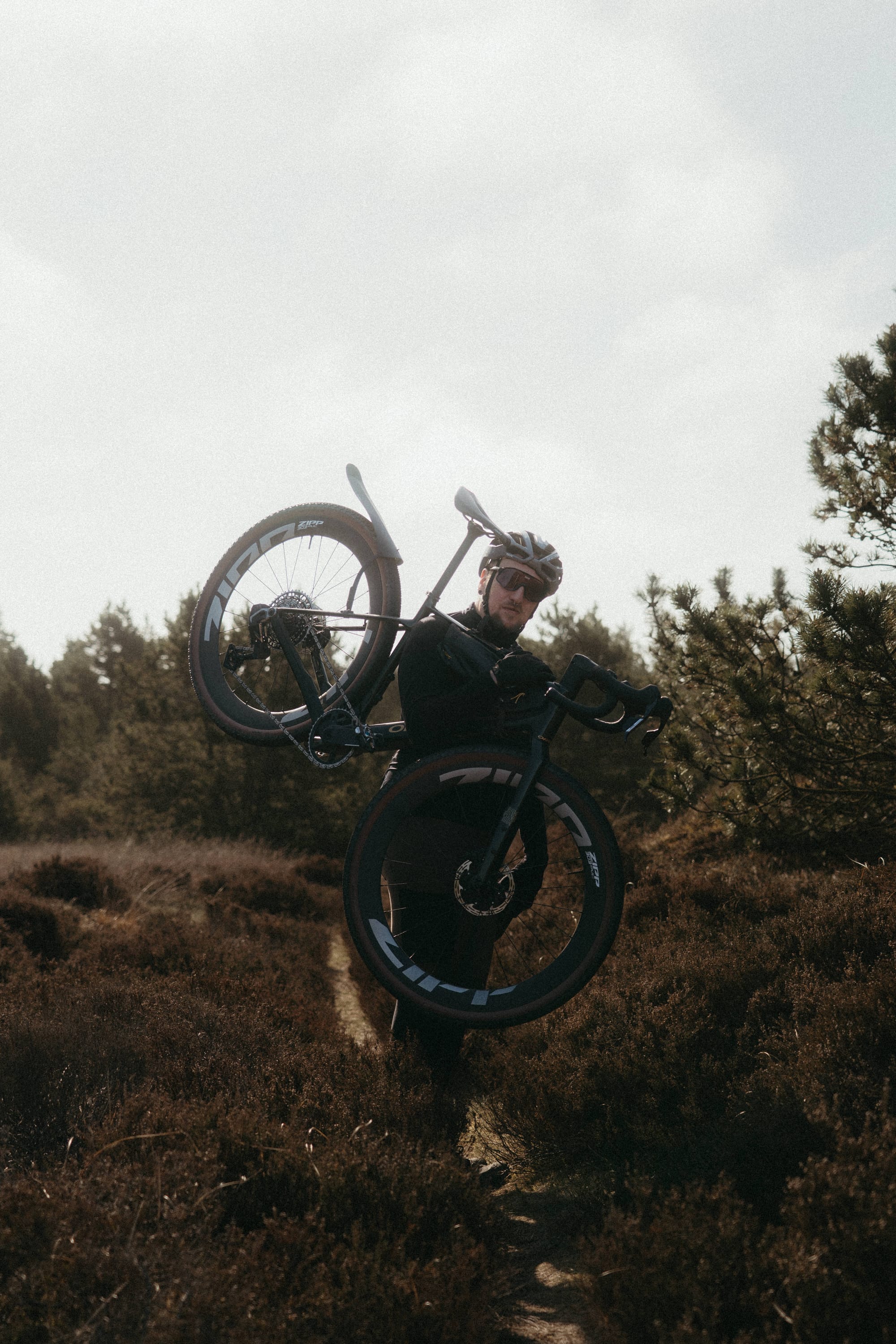
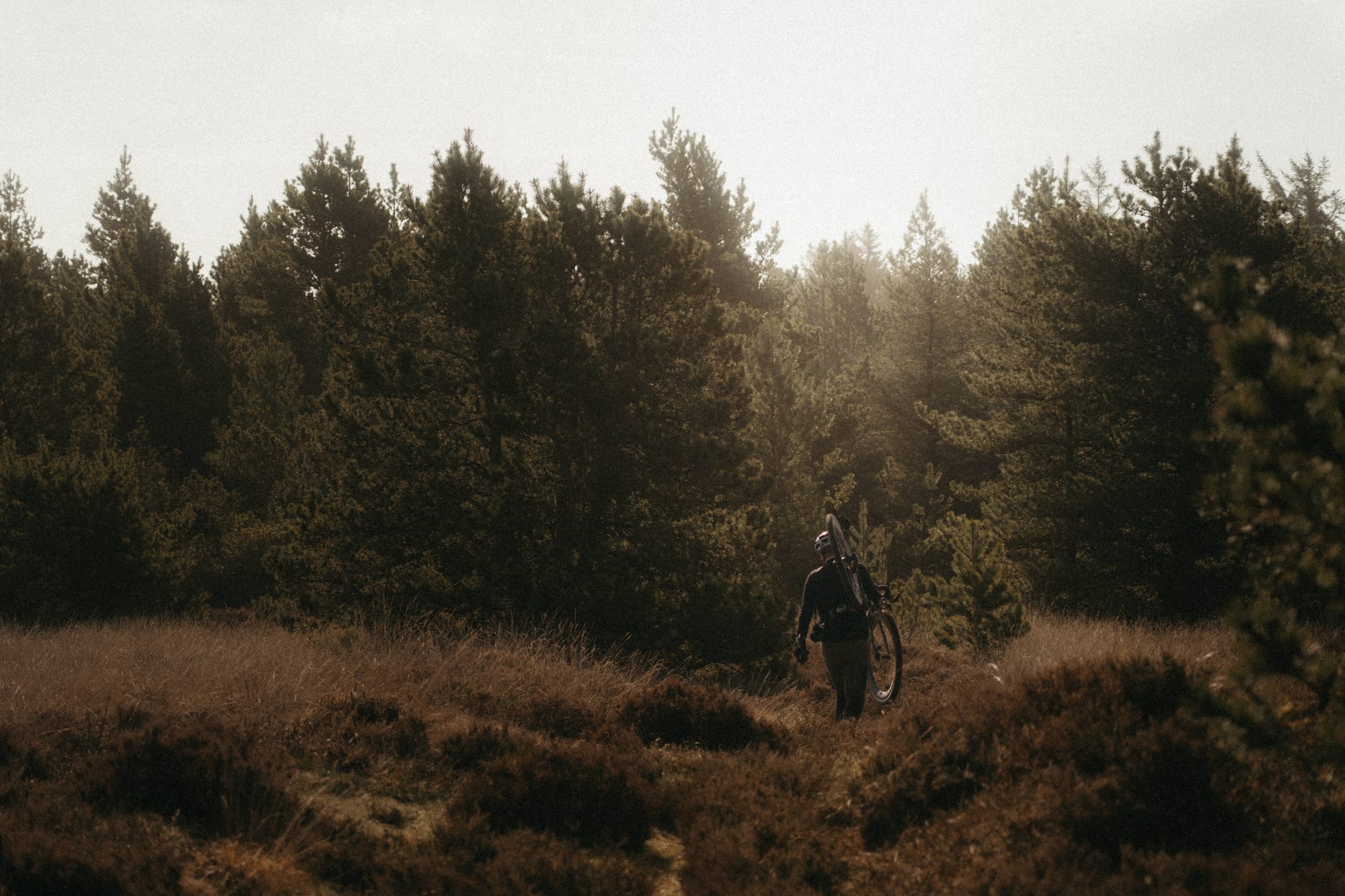
Day three was slower. Jana had planned a short loop for the views. The first twenty minutes turned into a hiking trail through dense heather and I got off and carried the bike. I complained about ticks for twenty minutes. The views were genuinely beautiful, which I said also while complaining about ticks. She had been right about the route. I want that on the record.
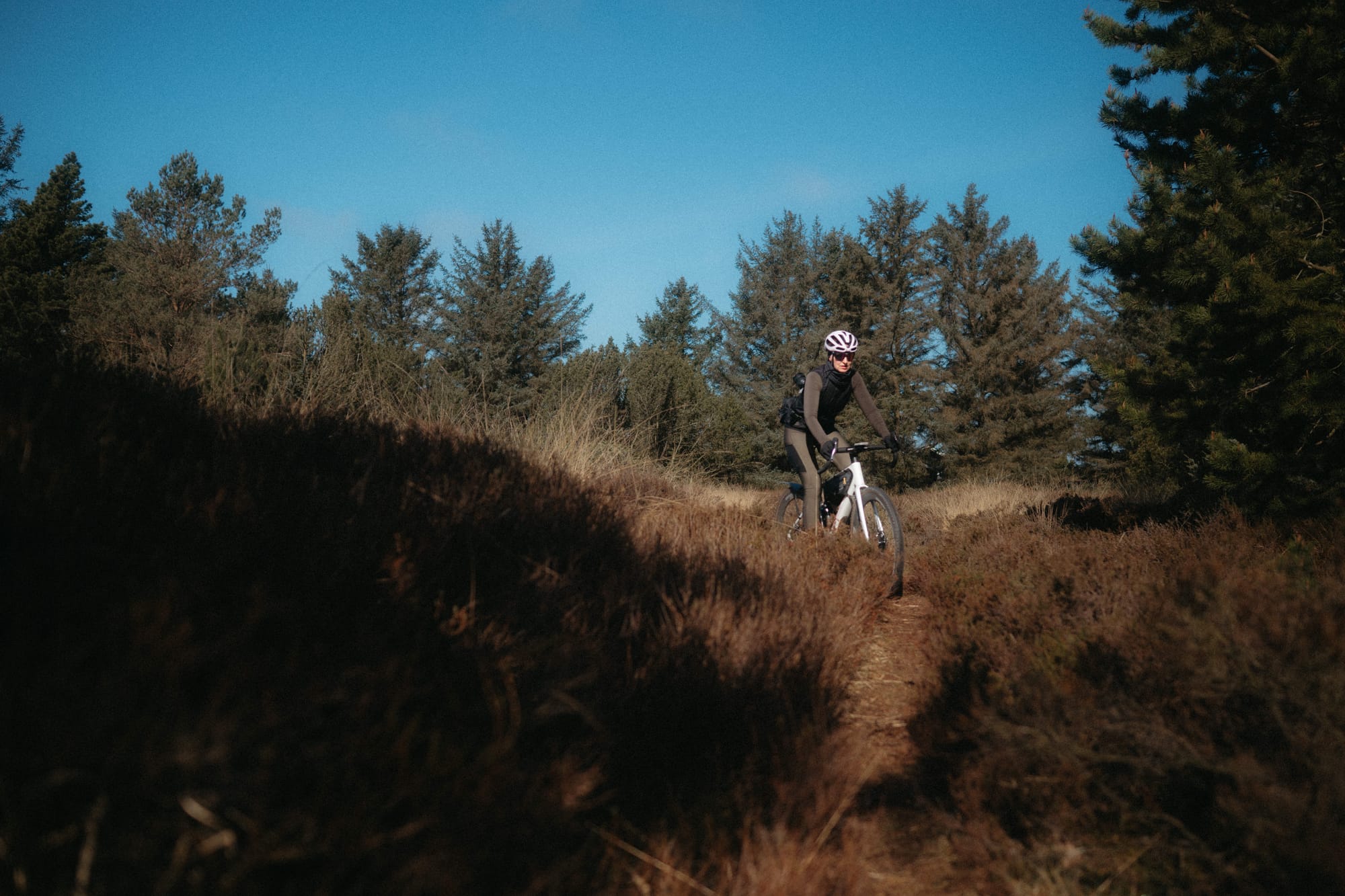
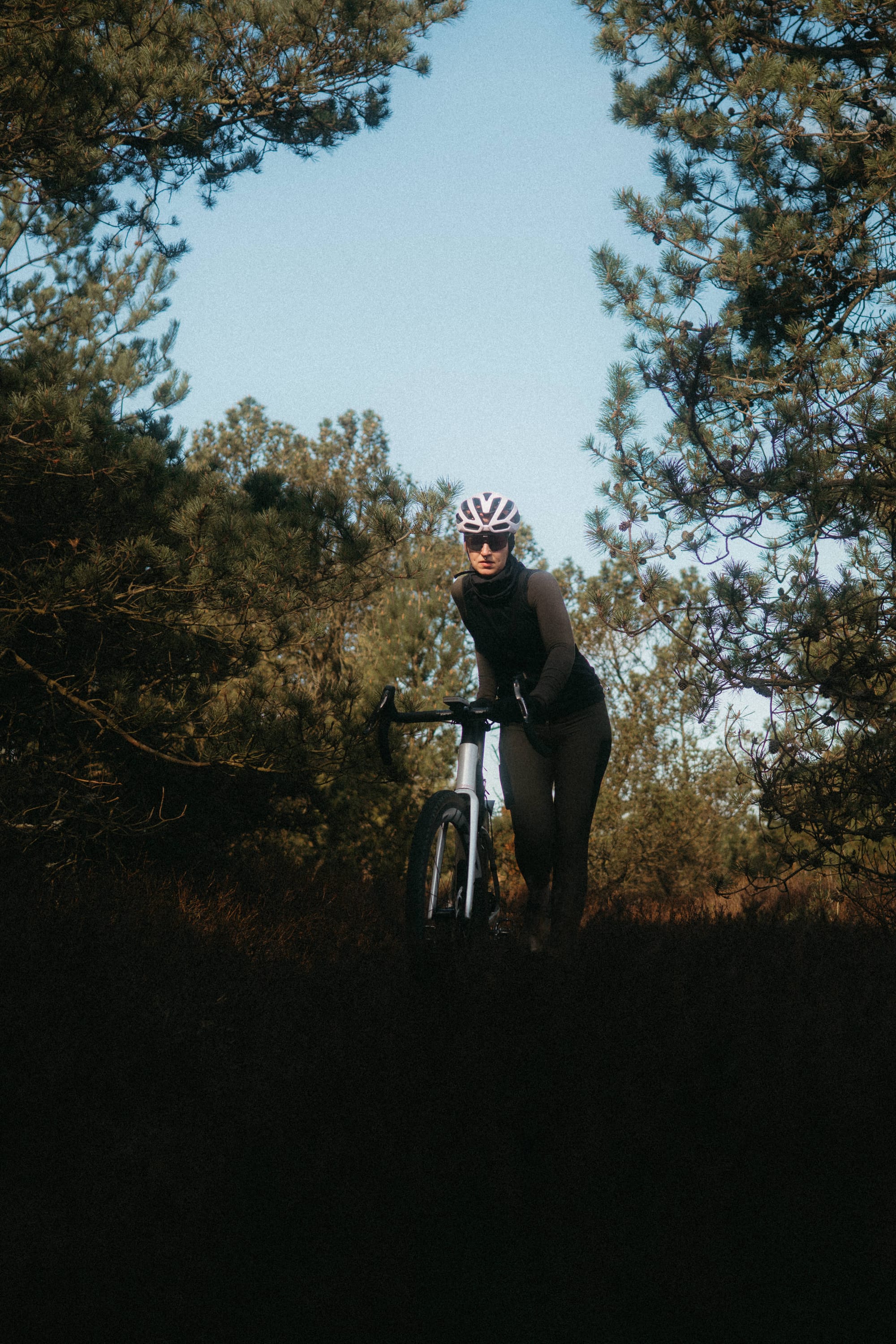
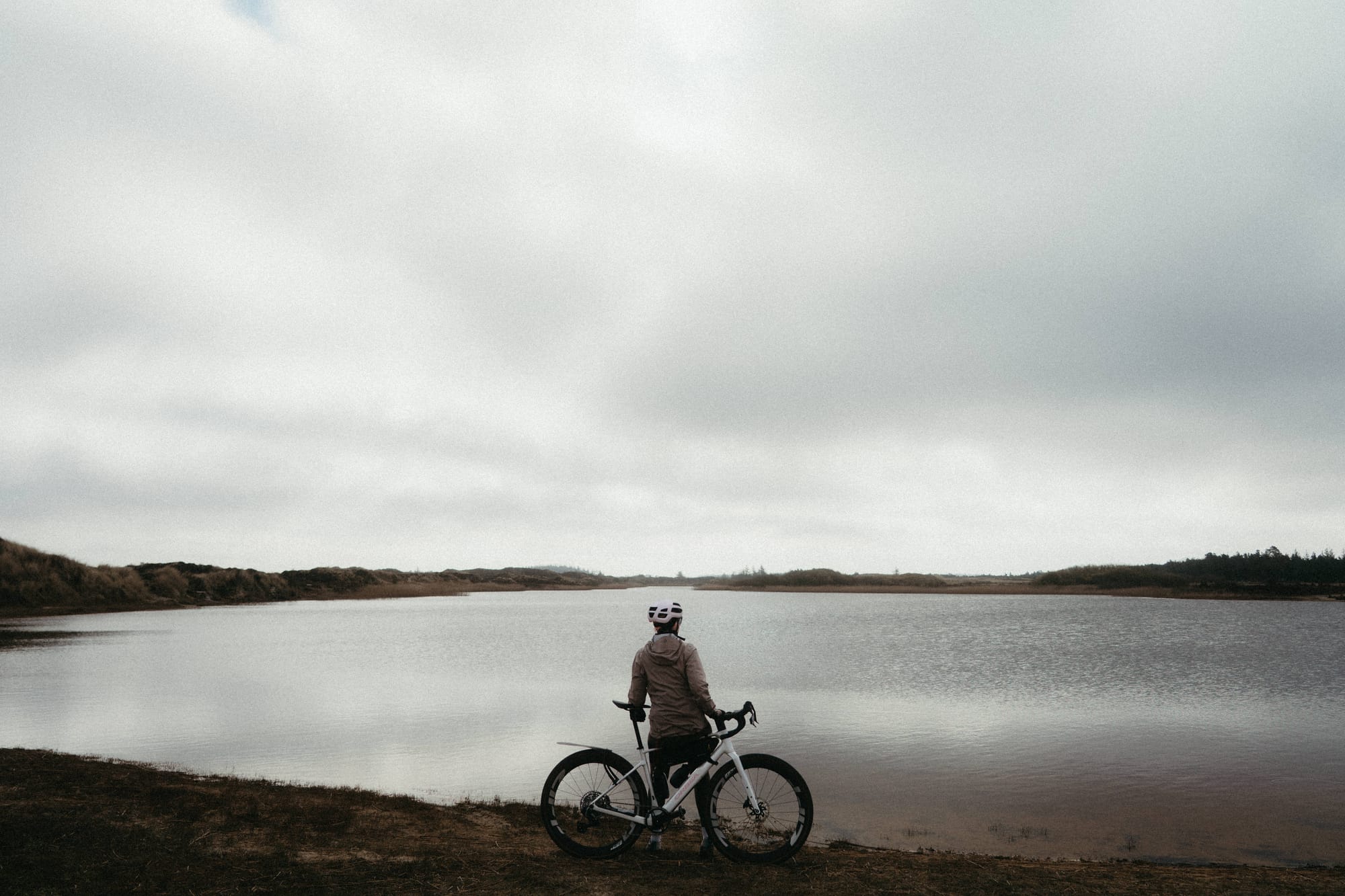
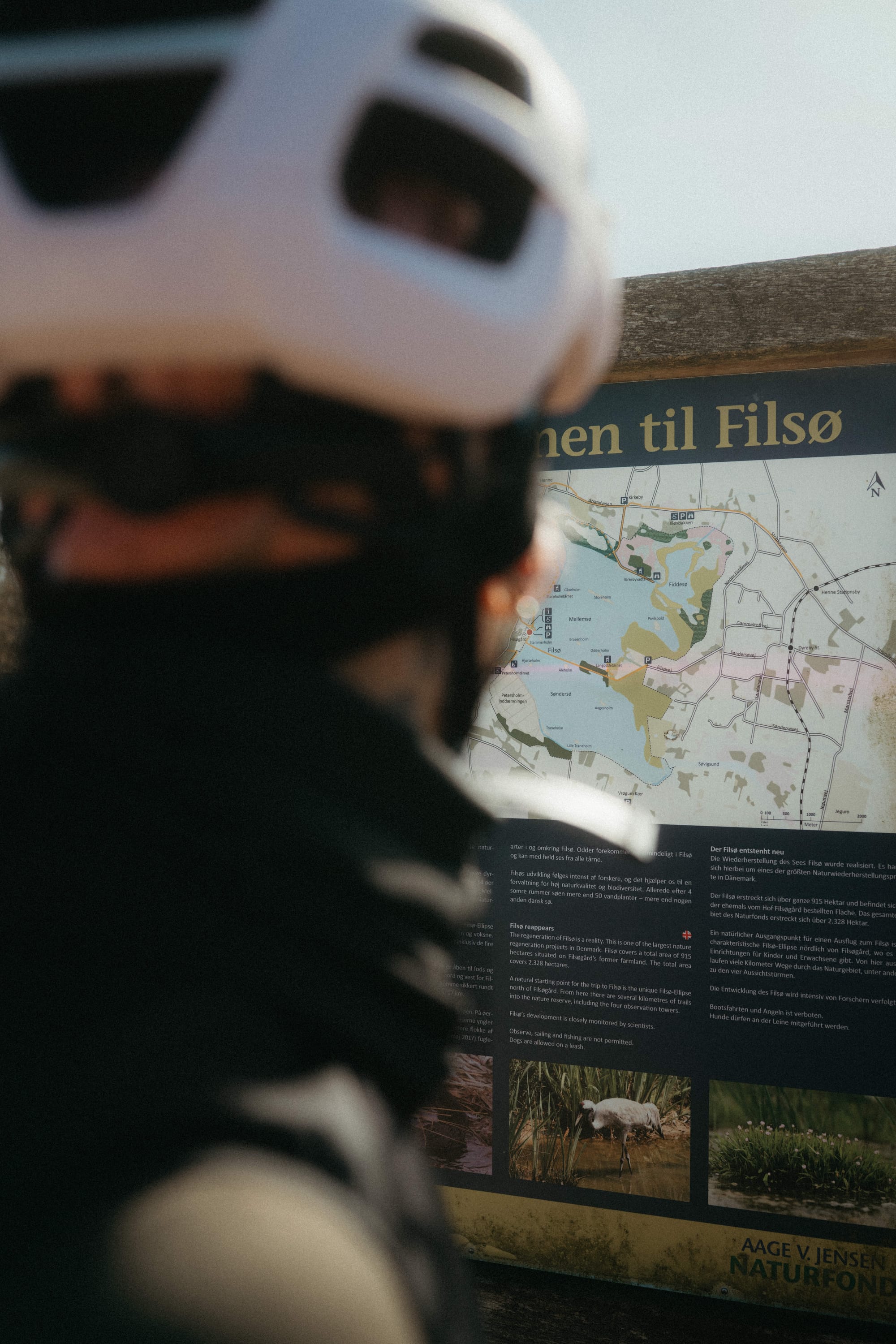
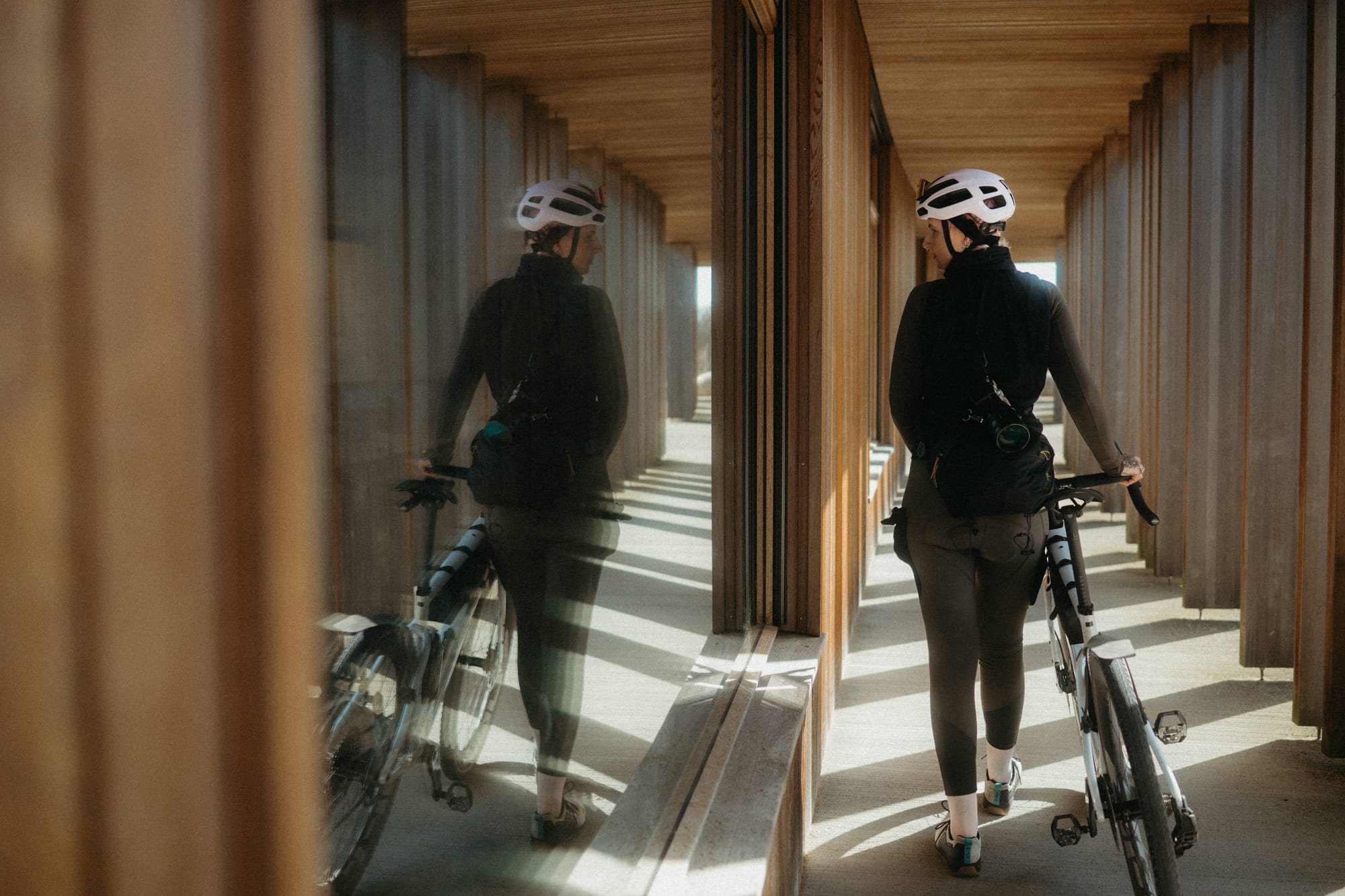
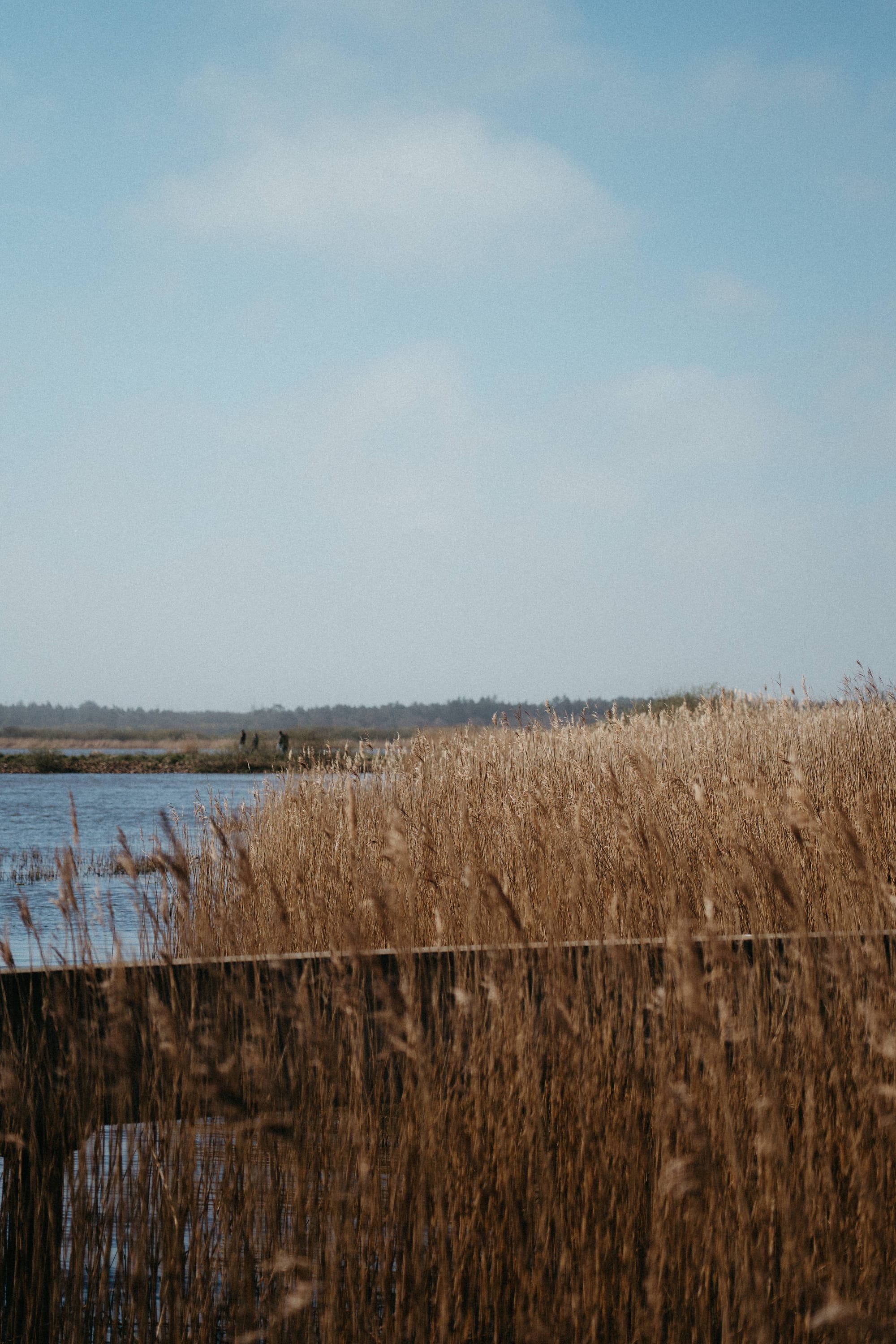
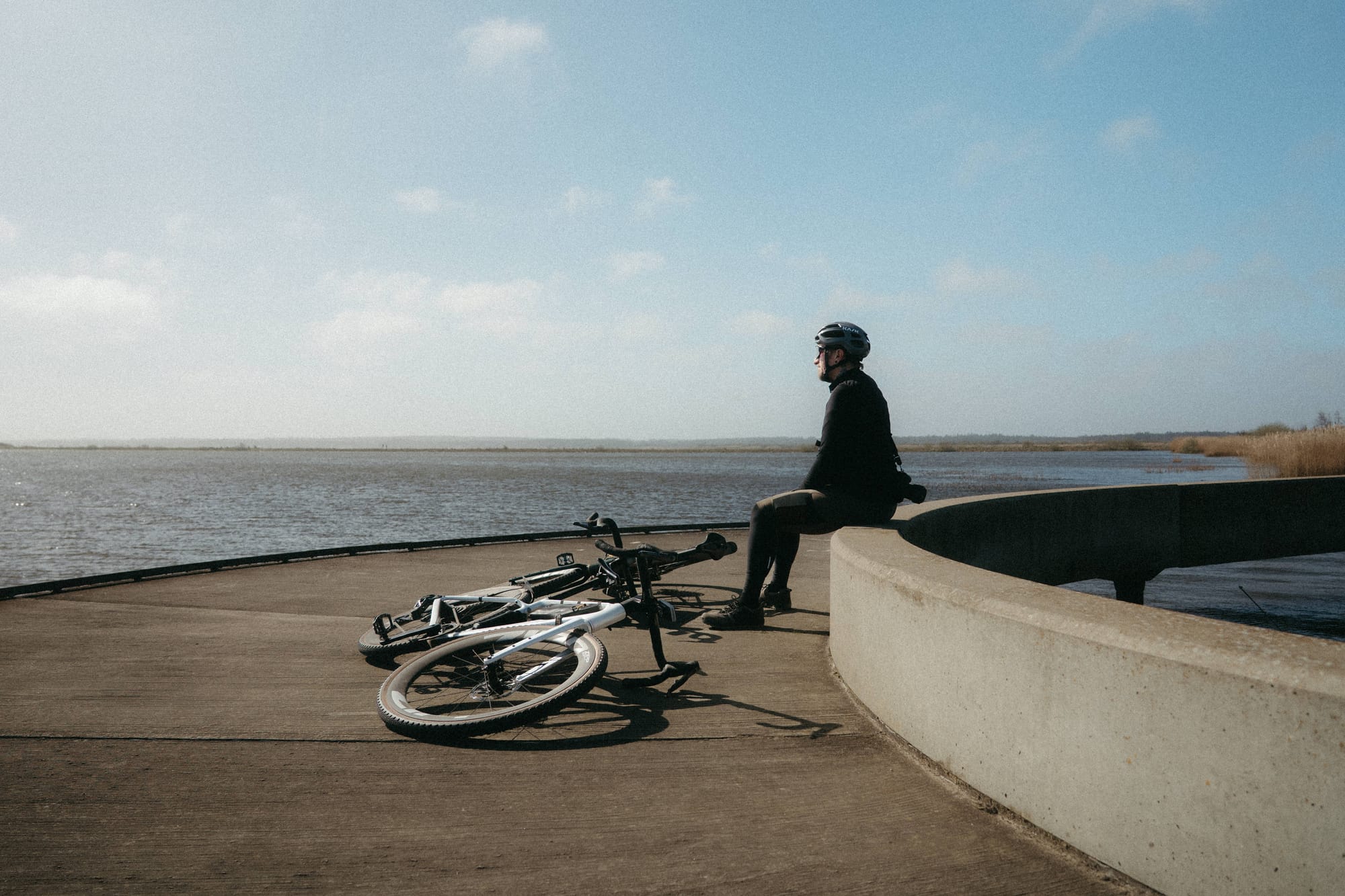
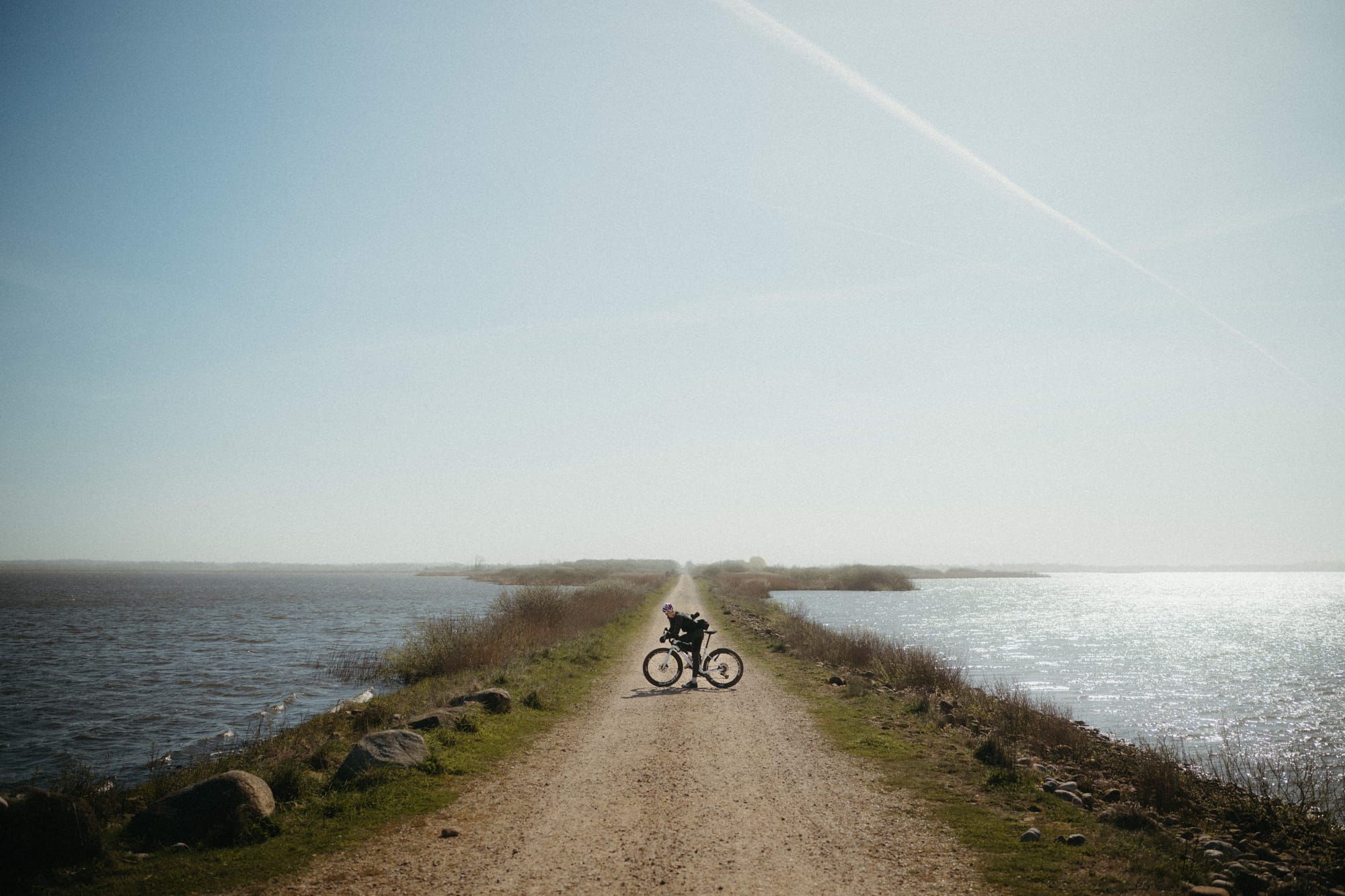
We made it to Filsø, one of Denmark's larger lakes, a restored wetland and bird reserve. We arrived in too much wind at the wrong time of day and saw fewer birds than the place deserved. The long straight approach with water on both sides and the light coming low across it was worth the detour regardless. Some places ask for more patience than we had.
The resort kitchen had been making us vegan breakfasts every morning. Øllbrød and avocado sourdough and banana pancakes with raspberry sugar. The kind of cooking that doesn't announce itself and then surfaces in your memory days later while you are doing something completely unrelated. Jana came home and immediately tried to recreate the Øllbrød. That is the highest form of praise she gives to food.
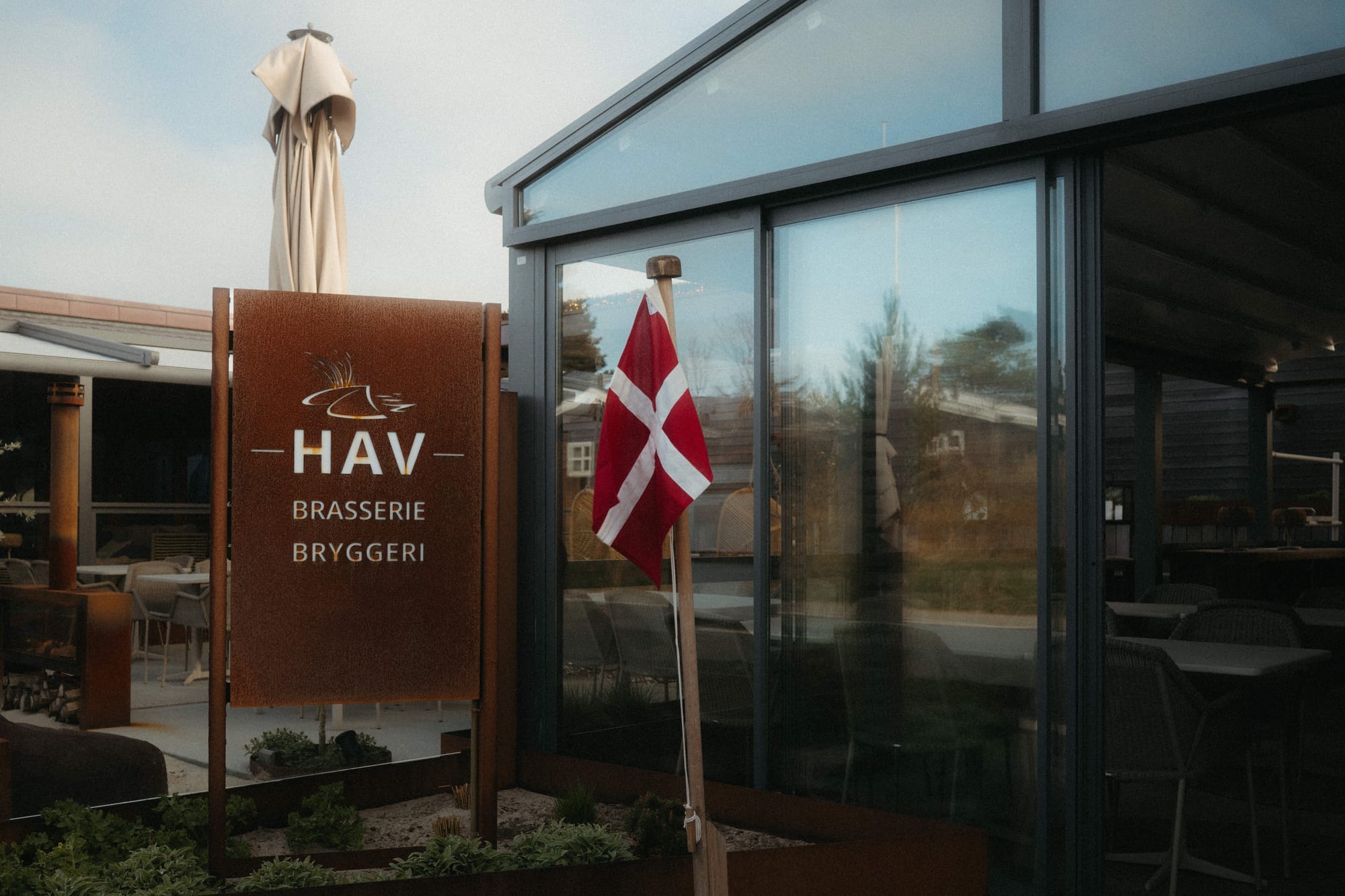
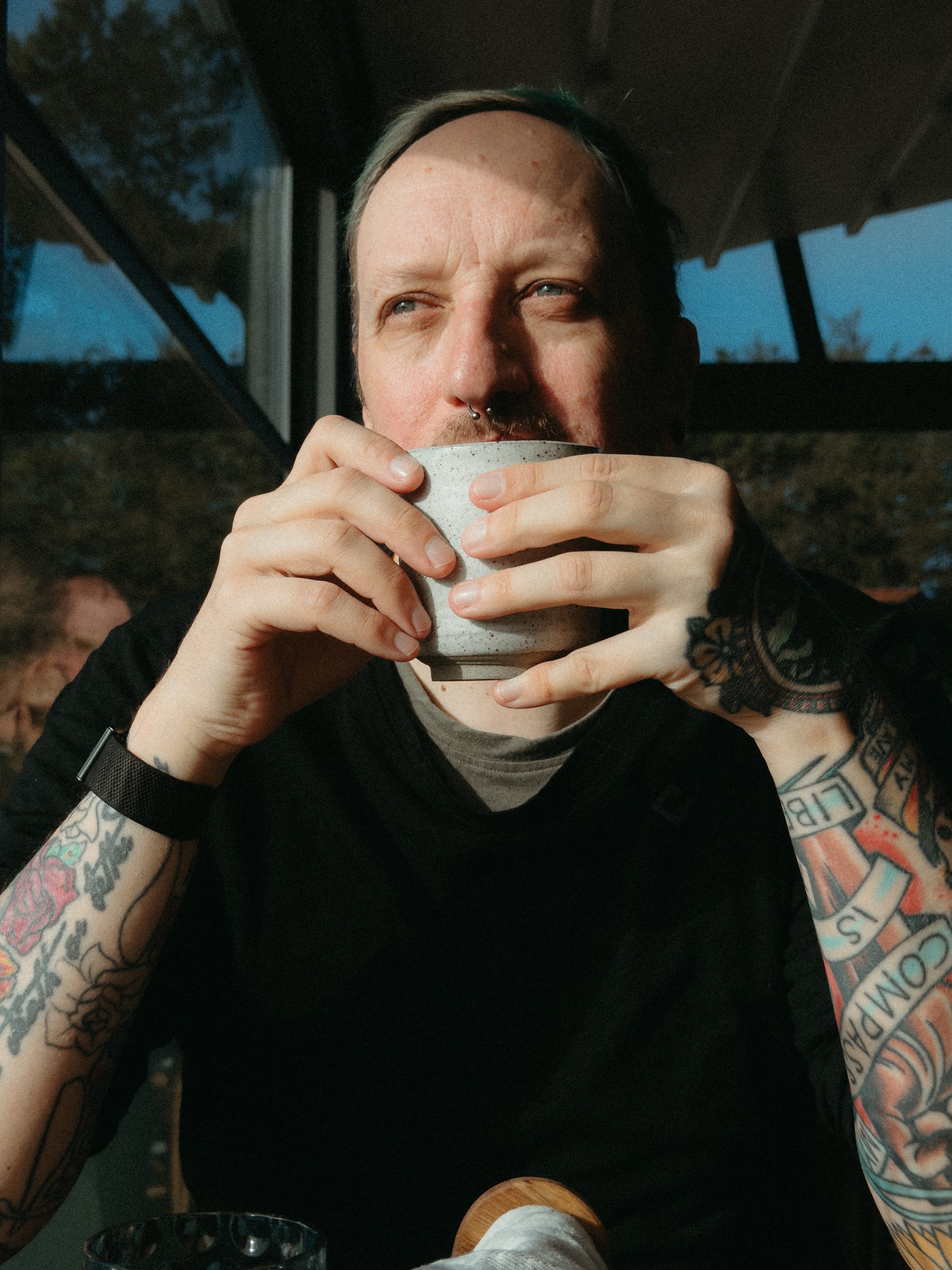
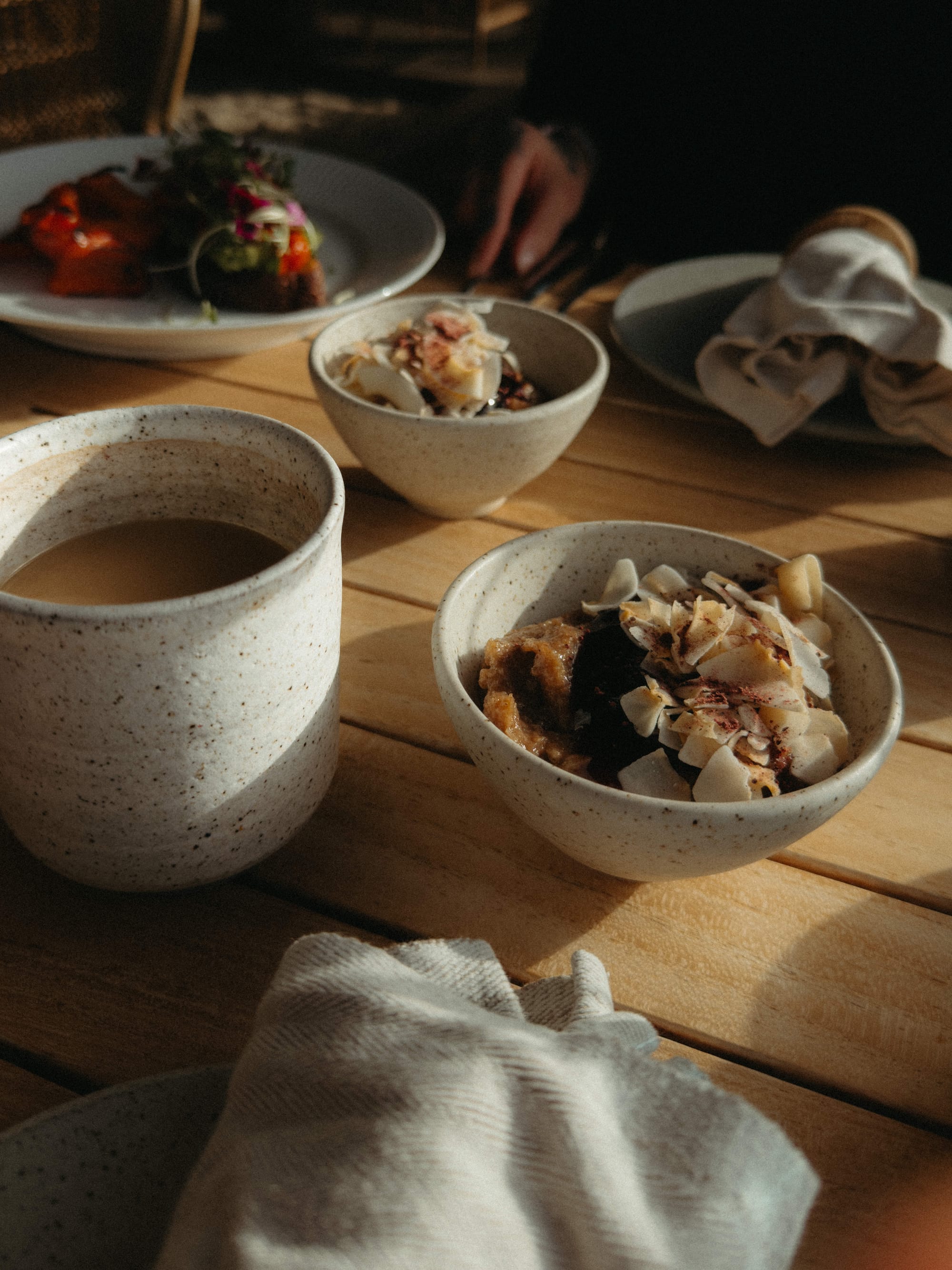
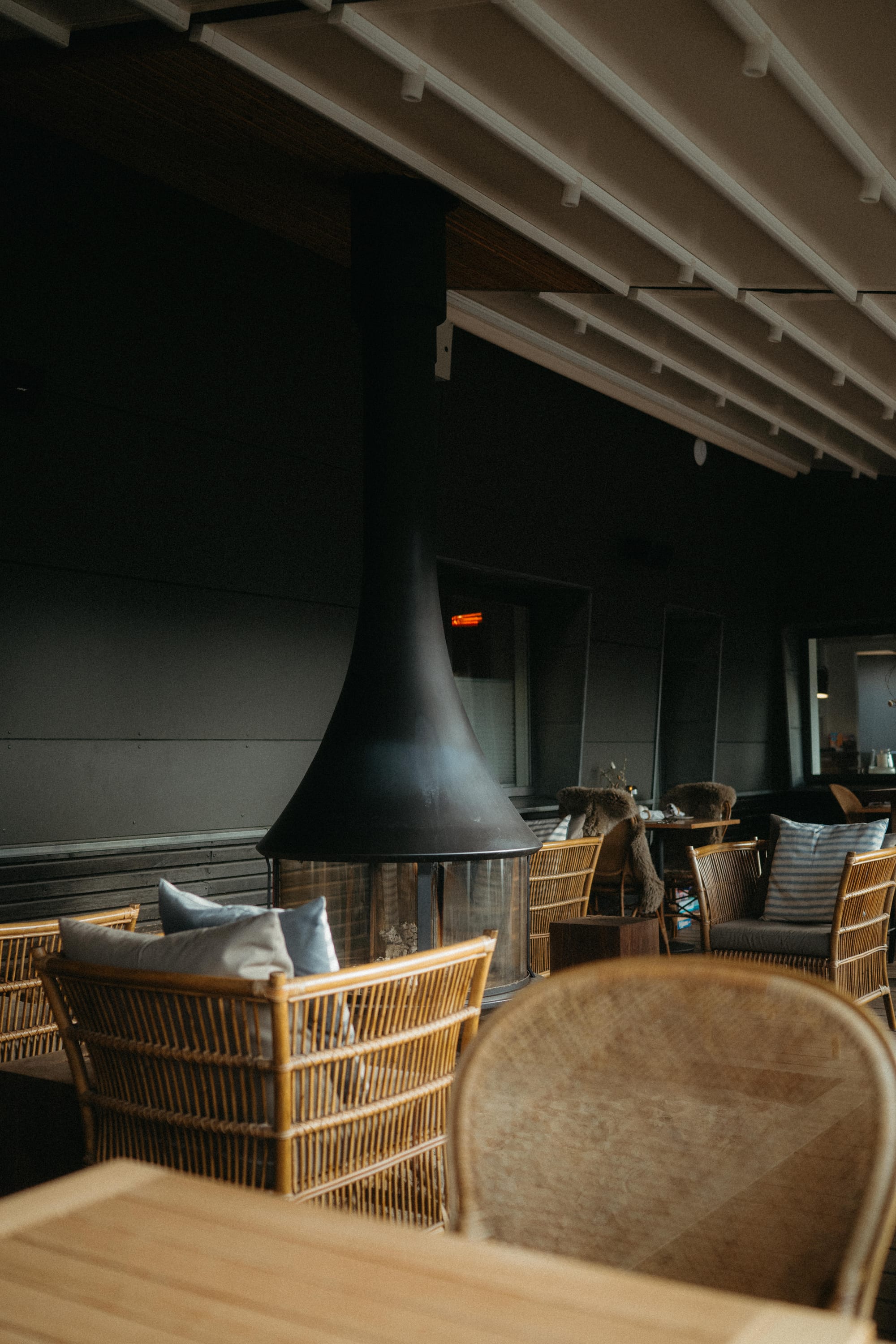
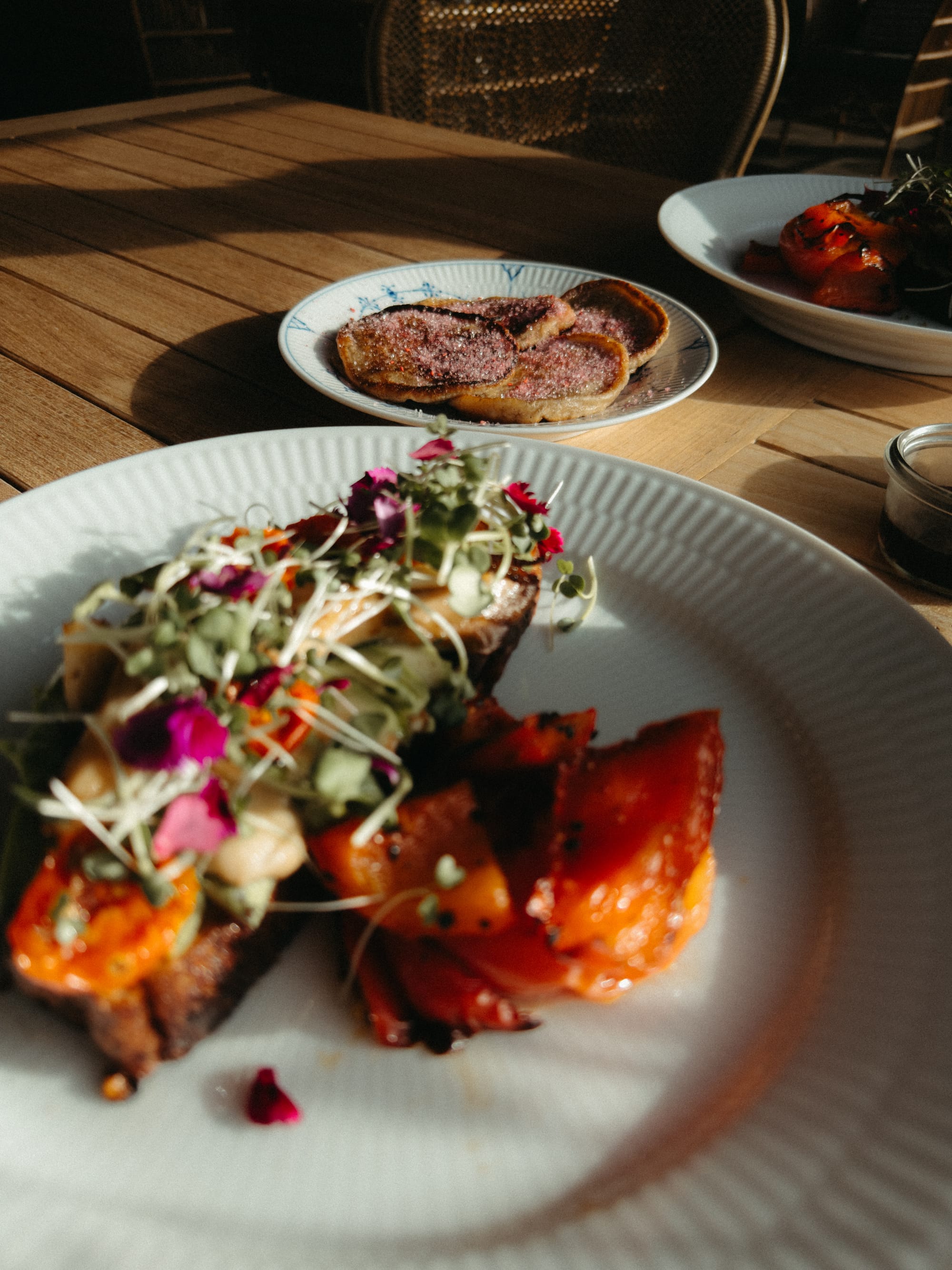
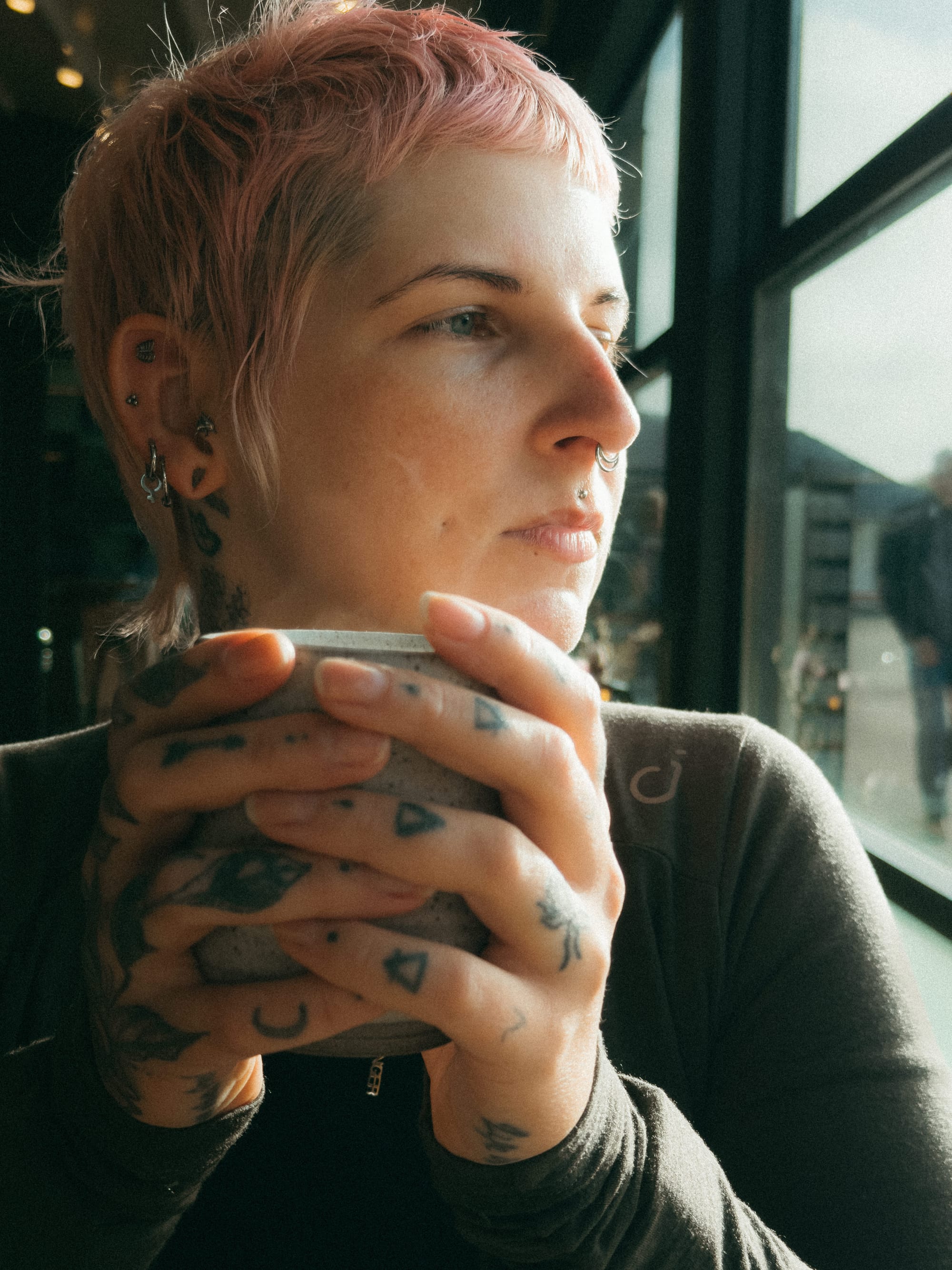
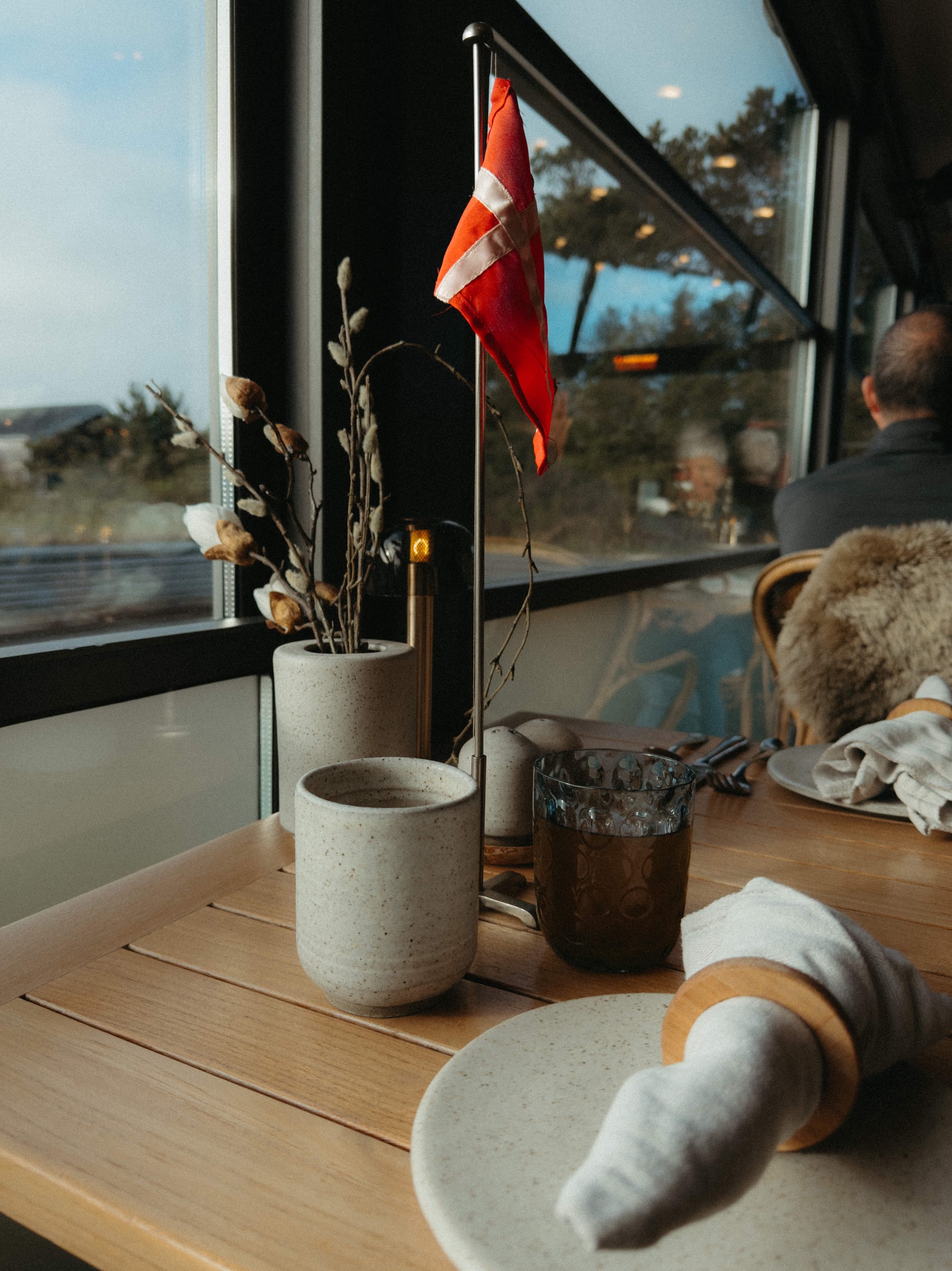
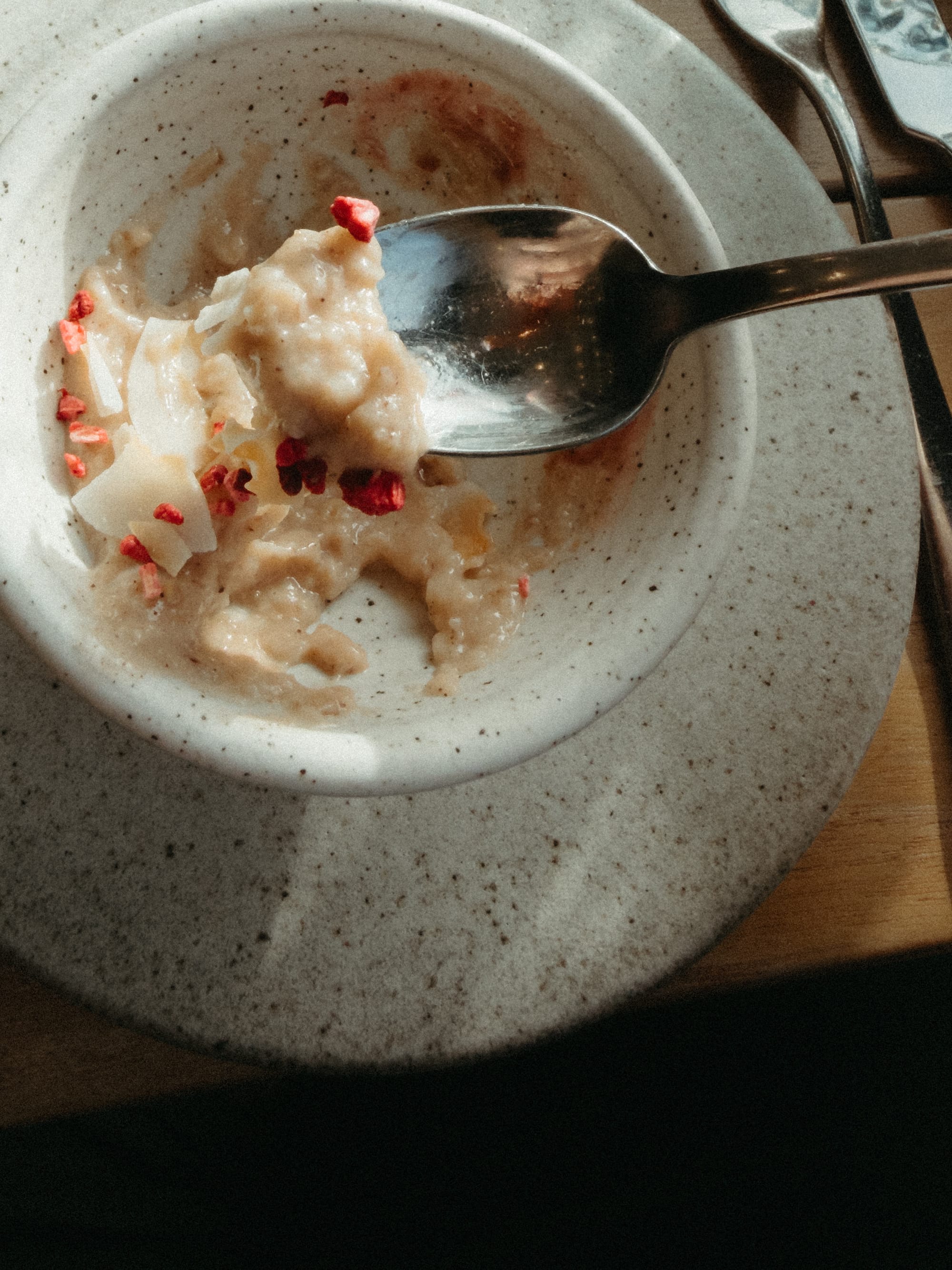
The fox came twice on day three. Once in the morning, once in the evening. In the evening he spent several minutes inspecting our bikes, slowly, methodically, like he was auditing the luggage situation. He seemed satisfied and left.
On the last full day he walked straight into our courtyard.
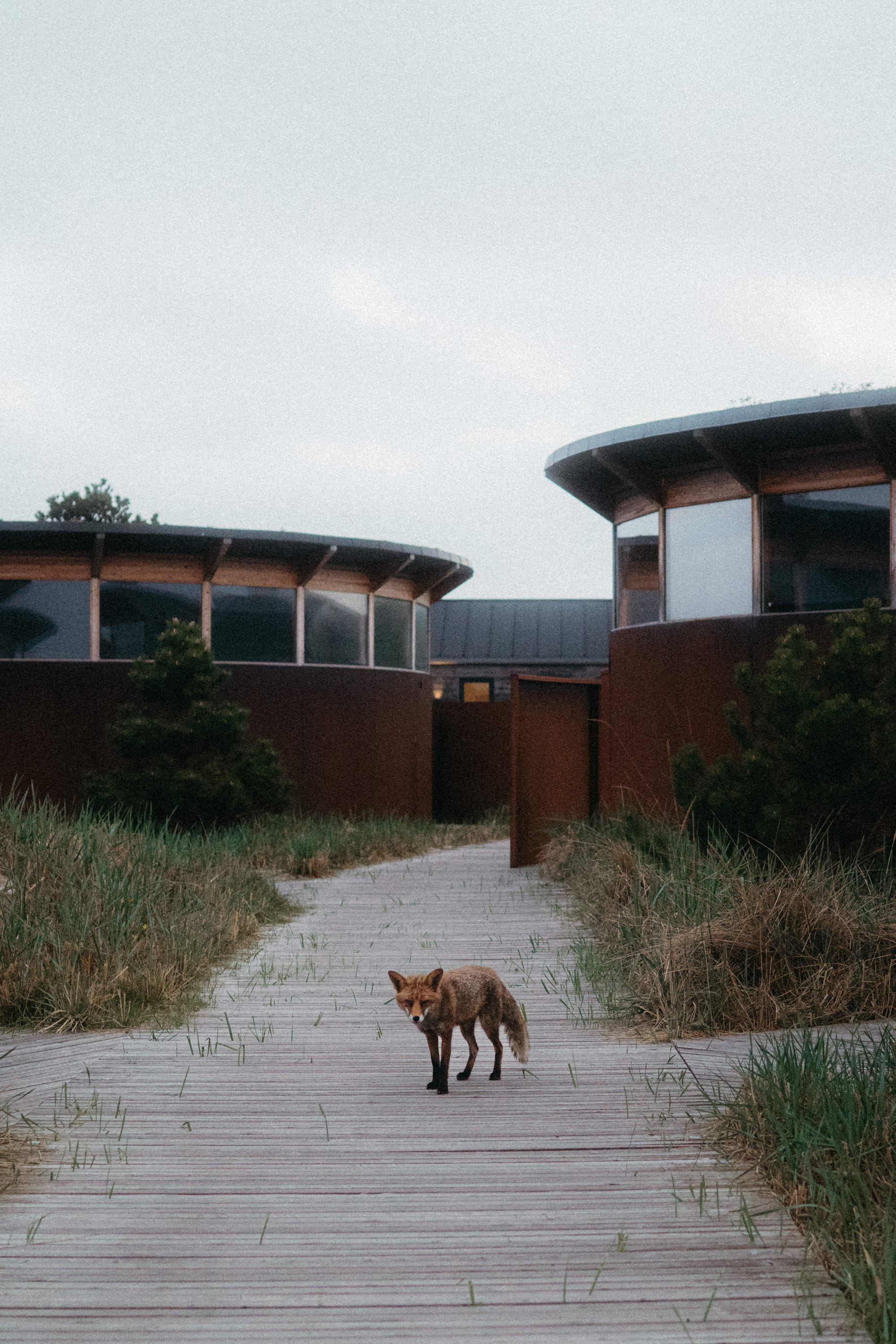
We had been coming back from somewhere and saw him cross the open area in front of the cabins and made a joke about it: of course he's going to ours. We stood at the gate with cameras and phones ready and waited until he came back out. He looked at us with something that was not quite surprise and not quite recognition. Something startled him and he was gone. Just like that.
Something between gratitude and mild grief. Behind it, the certainty that in a few days it will all be very far away. Not dread. Just that. We knew it while we were still standing there.
Anyway.
The twenty-fourth of April was our wedding anniversary and also the day we packed the bikes and left. We had had dinner at the resort the evening before, mushroom risotto, very good, and that had felt like the right way to mark it. We are not people who need to celebrate on the exact date. What we need is the time, and we'd had four days of it.
The cabin had a television. We could not connect our phones to stream anything. After the first evening we stopped trying and it became furniture. We talked instead. About nothing important, mostly, but more of it and slower and without anything else competing for the same attention. We asked each other things we don't get around to asking at home. Not because the questions are hard. Just because there is usually something else. A notification. A to-do. The low hum of the week ahead. We ended up on the west coast question again. Whether there is a version where you actually stay. What you would have to change. It always ends the same way. We both know it isn't realistic. We had the conversation again anyway.
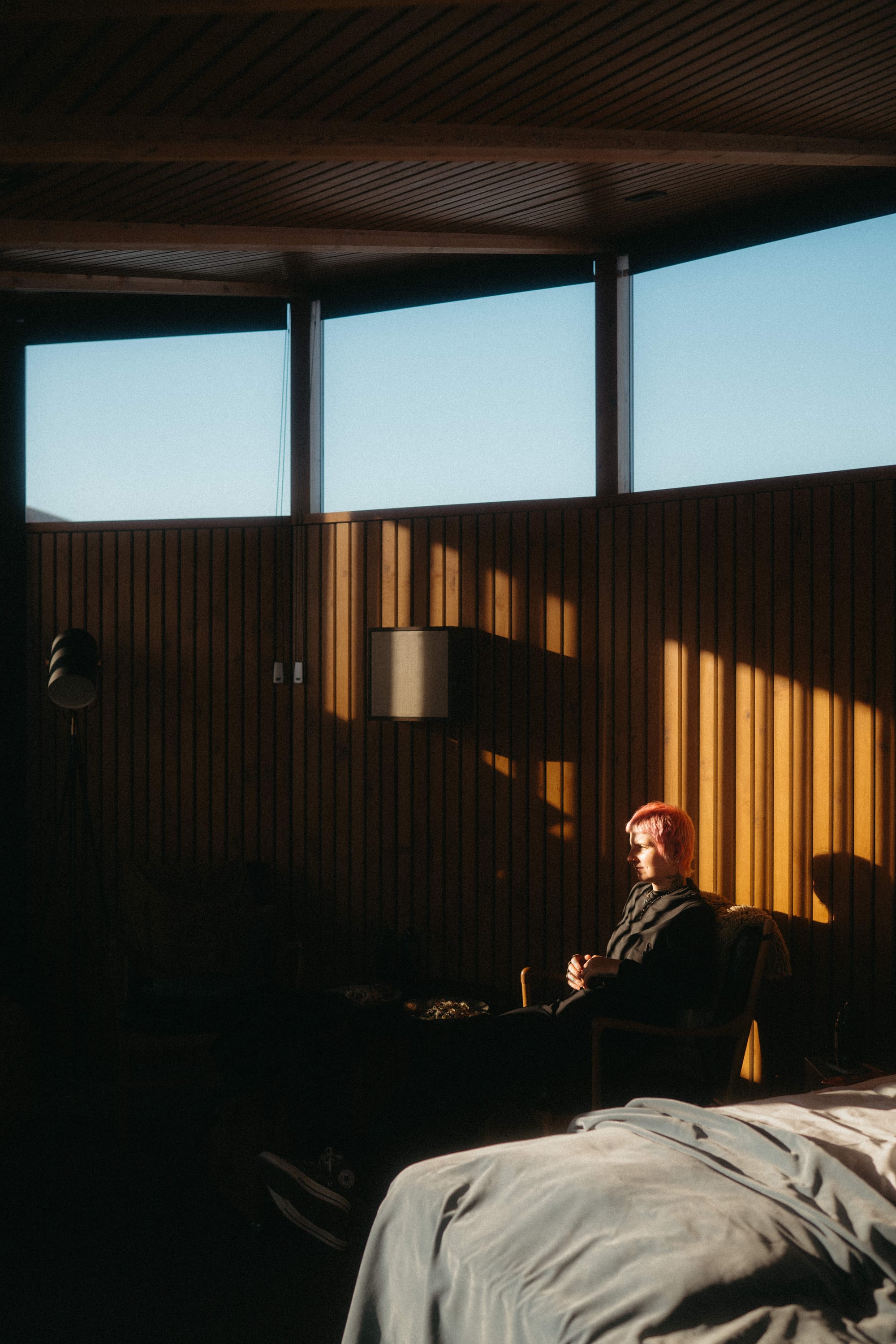
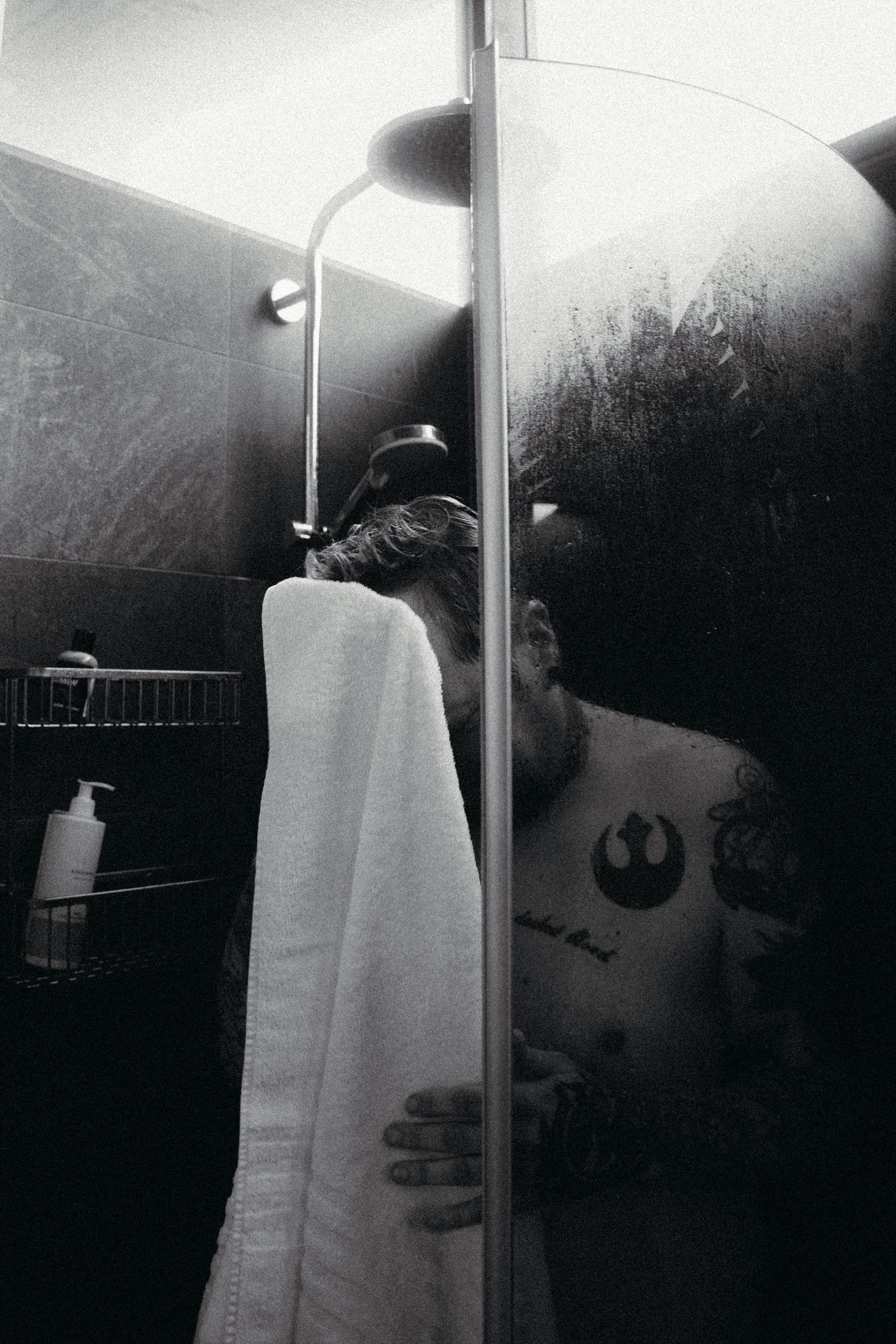
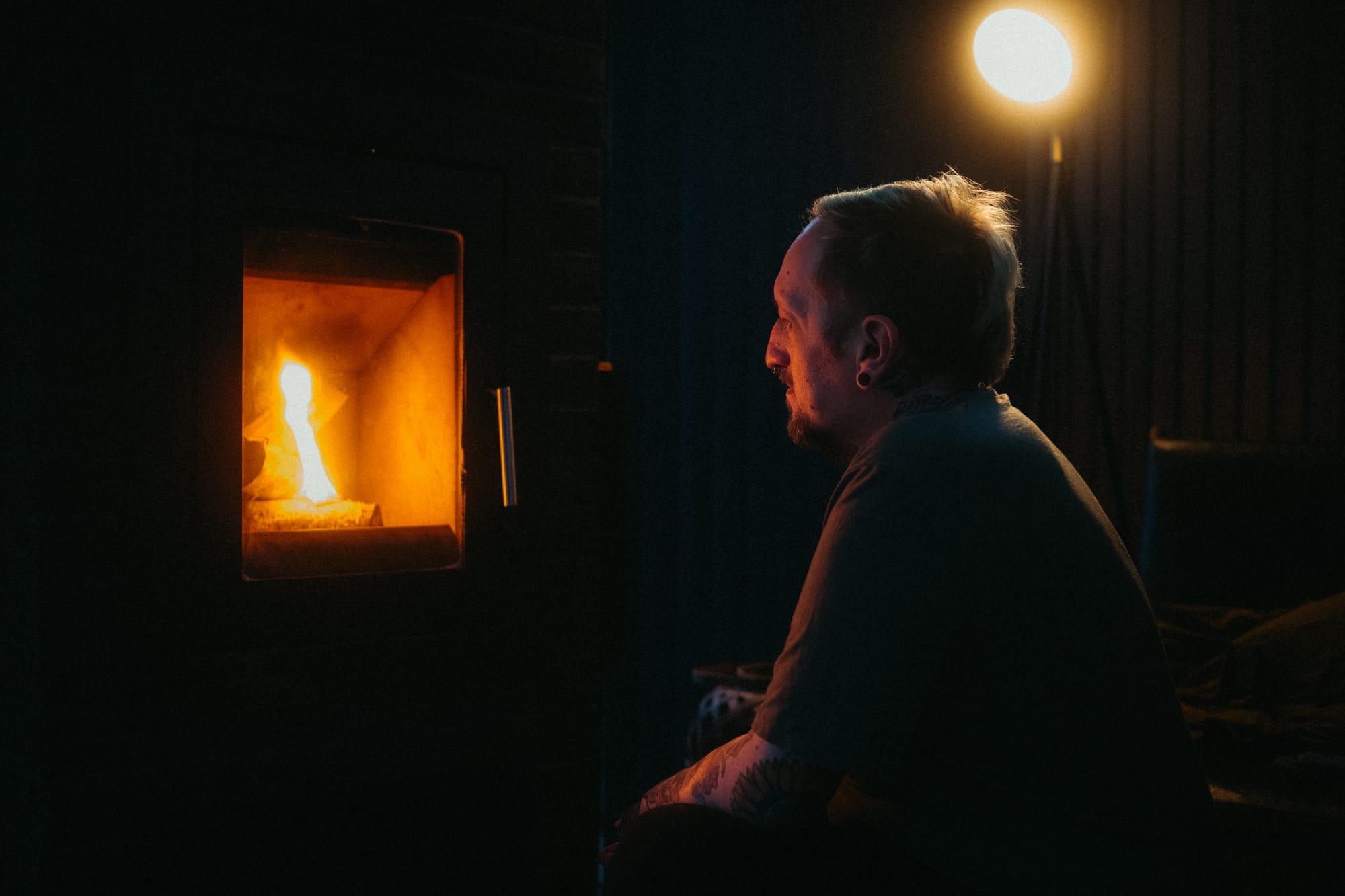
Out there, the hum was gone.
Next time we're staying longer.