
Cycling Is Not Therapy
On the difference between something that helps and something that treats. Why context determines whether a word is doing real work.
Bane have a song called "My Therapy." It came out in 2005.
I screamed along to that in rooms that smelled like sweat and cheap beer. Didn't think it through. You don't think anything through at a Bane show. You feel it. I could have questioned it, even then, even at twenty, but I didn't, because I got it. The context was right there in the room with us. Hardcore is specifically a place for people who don't fit the normal container. People who are angry and don't know what to do with it, who are anxious and grew up being told that's weakness, who need a room that isn't therapy because therapy wasn't available or accessible or even on the radar. The word in that room was doing real work. It was earned.
Cycling Instagram doesn't have that scaffolding.
I saw a carousel a while back. "10 reasons why cycling is better than therapy." The slides: your butt hurts not your heart. Carry snacks not emotional baggage. Not antidepressants, electrolytes. The caption: "Not healed but significantly faster." Eighty comments. A hundred and sixty-five shares. All agreement.
I didn't comment. Didn't have the energy for the thread that would have followed. Which is probably why it ended up here instead.
"Not healed but significantly faster" is actually the most honest version of the argument. It almost works. It admits cycling doesn't treat anything. But faster to where? Through what? The joke is that you traded the processing for the miles and came out the other side without having done either one, just having done the suffering. Which is a very cycling thing to do.
The research is clear enough about what exercise actually does. A 2024 BMJ meta-analysis, real effect on depression. Still there when they narrowed to the well-designed studies. Moderate, but real. The clinical word for this role is "adjunct." Add-on. Alongside, not instead of. That's what the evidence says. That's not nothing.
But therapy is a specific thing. A room. A person trained to be in that room. A method. What it can do: process trauma, restructure the thinking patterns that make anxiety loop back, touch what happened to you and how you learned to carry it. A bike ride genuinely can't. And the people who most need that are often exactly the people for whom getting on the bike is hardest. Clinical depression doesn't respond to "just go for a ride." The illness itself removes the capacity to start. When we post "cycling is therapy," we're mostly talking to ourselves. To people who are already riding, already mostly managing, already using movement as a buffer.
For someone further down, that post can land as one more thing they're failing to do.
Bane wasn't singing for people who were mostly managing.
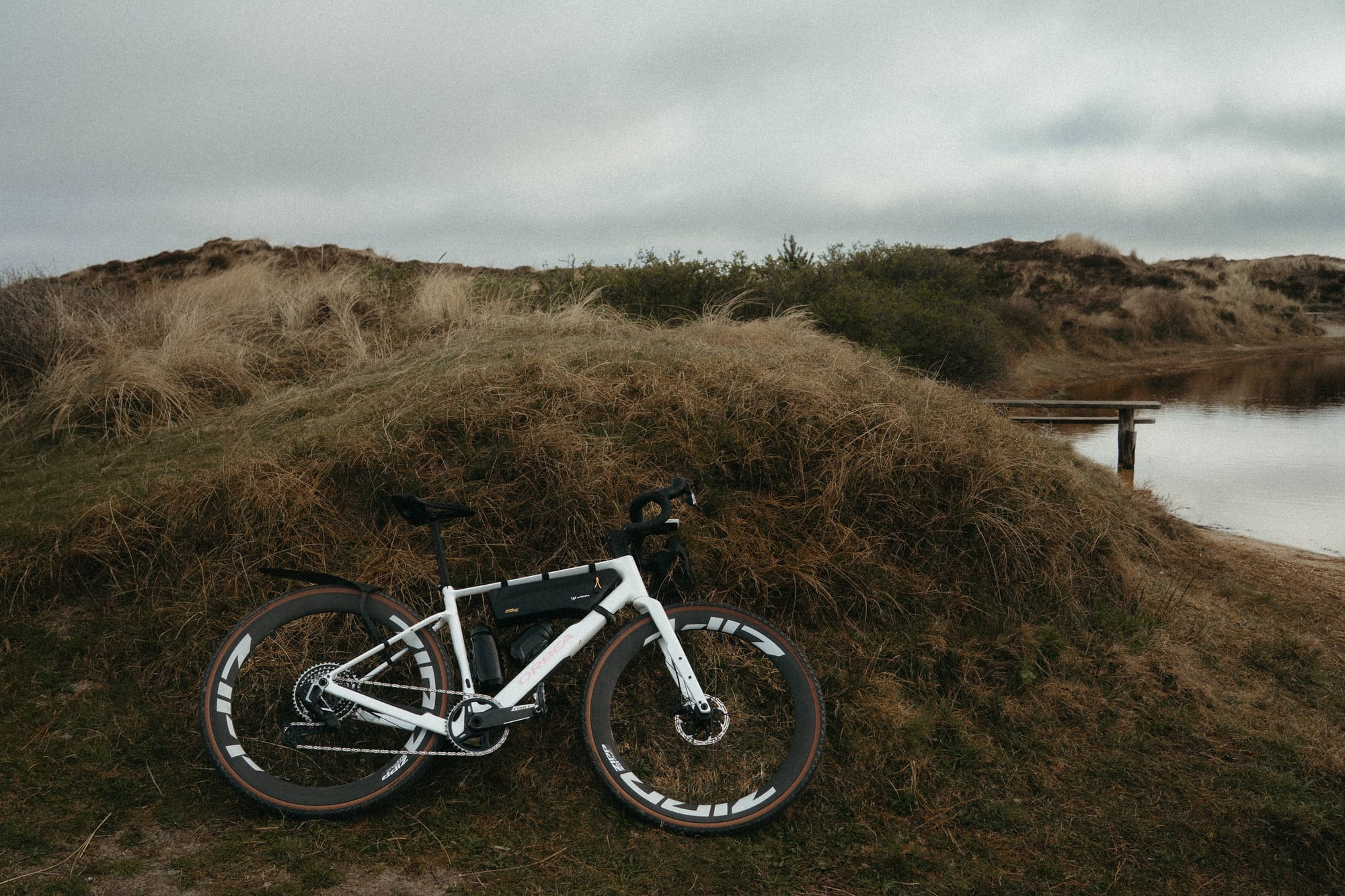
I ride because it helps. Jana has a better description than I do. Her head is a browser with too many tabs open, she says. The kind that reopen themselves before you've finished closing them. She tried yoga. The tabs came straight back. On the bike, outside, they don't. Not because they're processed. Because something else takes up the screen: wind, light, green, the road moving under her. The tabs are still there. She's just not looking at them.
I'm clearer after. Heavier weeks feel more manageable. When I don't ride for a while I notice it in ways I'd rather not notice. I get impatient faster. Stressed over things that shouldn't matter. Off-balance in a way I can feel but can't quite explain to anyone who doesn't already know.
The word was doing real work in that room. I'm not sure it does the same work here. Maybe it doesn't need to.